How Open Cooling Towers Work in Real-World Systems
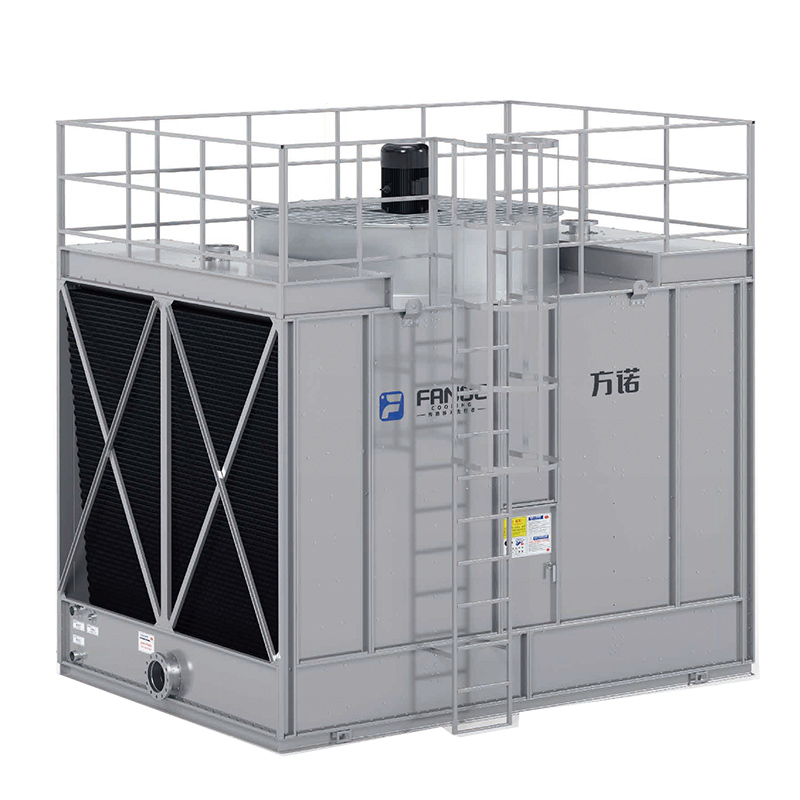
Open cooling towers are heat rejection devices that cool warm process water through direct contact with ambient air. Hot water from industrial equipment or HVAC systems is distributed over fill media, where it forms thin films or droplets. As air passes through the tower, a small portion of the water evaporates, carrying away heat and reducing the remaining water temperature before it is recirculated.
Unlike closed-loop or hybrid systems, open cooling towers continuously expose circulating water to the atmosphere. This makes them highly effective in heat transfer but also requires careful water treatment and maintenance to control scaling, corrosion, and biological growth.
Key Components That Determine Cooling Efficiency
The performance of open cooling towers depends heavily on the design and quality of their internal components. Each part plays a specific role in maximizing heat exchange while minimizing water loss and operational issues.
- Fill media: Increases the contact surface between air and water, directly impacting cooling efficiency.
- Drift eliminators: Capture water droplets carried by airflow, reducing water loss and environmental impact.
- Water distribution system: Ensures even water spread across the fill for consistent cooling.
- Fan and air intake: Control airflow rate, which directly affects evaporation and heat removal.
Open Cooling Towers vs. Closed Systems in Practice
Choosing open cooling towers over closed-loop alternatives is often driven by efficiency and cost considerations. Open systems generally provide lower approach temperatures and higher thermal performance, making them suitable for heavy-duty industrial processes.
| Aspect |
Open Cooling Towers |
Closed Cooling Systems |
| Heat Transfer Efficiency |
High due to direct evaporation |
Moderate |
| Water Exposure |
Direct contact with air |
Isolated loop |
| Maintenance Focus |
Water treatment required |
Lower water treatment needs |
| Initial Cost |
Typically lower |
Higher |
Common Industrial Applications of Open Cooling Towers
Open cooling towers are widely used in industries where large amounts of heat must be dissipated continuously. Their adaptability and scalability make them suitable for both centralized and distributed cooling systems.
- Power plants for condenser and auxiliary cooling
- Chemical and petrochemical processing facilities
- Steel mills and metal processing lines
- Large commercial HVAC and district cooling systems
Water Quality Management and Treatment Strategies
Because open cooling towers operate with exposed water, maintaining proper water chemistry is critical. Poor water quality can lead to scale formation, corrosion of metal components, and microbiological contamination, all of which reduce efficiency and system lifespan.
Key Water Treatment Practices
Effective management typically includes controlled blowdown to limit dissolved solids, chemical dosing to inhibit scale and corrosion, and biocides to suppress algae and bacteria. Continuous monitoring of conductivity, pH, and hardness helps maintain stable operating conditions.
Maintenance Tips to Extend Service Life
Routine inspection and maintenance are essential to keep open cooling towers operating at peak performance. Neglecting basic upkeep often results in higher energy consumption and unexpected downtime.
- Regularly clean fill media to prevent fouling and airflow restriction
- Inspect drift eliminators and fans for wear or imbalance
- Monitor water levels and makeup systems to avoid pump damage
- Schedule periodic shutdown inspections to address corrosion early
Optimizing Open Cooling Towers for Energy Savings
Energy efficiency improvements in open cooling towers often come from airflow control and smarter operation. Variable frequency drives on fans, optimized water distribution, and proper approach temperature settings can significantly reduce power consumption without sacrificing cooling capacity.
When properly designed and maintained, open cooling towers remain one of the most cost-effective and efficient solutions for industrial heat rejection, offering long-term operational benefits despite their higher water management requirements.



 Eng
Eng English
 中文简体
中文简体

 What Is an Open Circuit Cooling Tower and How Does It Work?
 What Is a Closed Type Cooling Tower and When Should You Use One?How a Closed Type Cooling Tower Actually Works A closed type cooling tower — also widely referred to as a closed-circuit cooling tower, closed-loop c...
 Cooling Tower Guide: Types, How They Work & Selection CriteriaHow a Cooling Tower Actually Works A cooling tower is a heat rejection device that removes waste heat from a process or building system by transferrin...
 Industrial Cooling Towers: How They Work, Types, and How to Keep Them Running RightWhat Industrial Cooling Towers Do and Why They Matter Industrial cooling towers are large heat rejection systems designed to remove excess thermal en...
 Evaporative Condenser Explained: How It Works, How to Choose One, and How to Keep It RunningWhat Is an Evaporative Condenser and How Does It Work? An evaporative condenser is a heat rejection device that combines the functions of a condenser ...