What Is an Evaporative Condenser and How Does It Work?
An evaporative condenser is a heat rejection device that combines the functions of a condenser and a cooling tower into a single unit. Instead of using a separate water chiller or air-cooled condenser to remove heat from a refrigeration or HVAC system, an evaporative condenser rejects heat directly by spraying water over a coil carrying hot refrigerant vapor, while simultaneously moving air across that coil. The water evaporates, carrying heat away with it, and the refrigerant inside the coil condenses back into a liquid — ready to continue the refrigeration cycle.
This approach is fundamentally more efficient than air-cooled condensing because evaporation is an extremely effective heat transfer mechanism. Water evaporation removes roughly 2,260 kJ per kilogram of water evaporated — a far greater amount of heat transfer per unit of surface area than simply blowing ambient air over a coil. As a result, evaporative condensers can maintain lower condensing temperatures even on hot days, which directly reduces compressor energy consumption and extends equipment life.
Evaporative condensing systems are widely used in industrial refrigeration, cold storage facilities, food processing plants, breweries, ice rinks, data center cooling, and large commercial HVAC applications. Understanding how these units work, how to select the right one, and how to maintain them properly is essential for engineers, facility managers, and anyone responsible for the performance of a large refrigeration or cooling system.
The Key Components Inside an Evaporative Condenser Unit
Every evaporative condenser system is built around a set of core components that work together to achieve efficient heat rejection. Knowing what each part does helps you diagnose problems, plan maintenance, and evaluate equipment from different manufacturers.
Condensing Coil
The condensing coil is where refrigerant vapor enters the unit at high temperature and pressure, gives up its heat to the evaporating water film, and exits as a liquid. Coils are typically fabricated from galvanized steel, stainless steel, or copper, and are designed to provide maximum surface area in a compact footprint. The coil arrangement and tube spacing affect both heat transfer performance and resistance to fouling. High-quality coils use a hot-dip galvanized finish or epoxy coating to resist corrosion from the recirculating water.
Spray Water Distribution System
A pump circulates water from the basin at the bottom of the unit up to a distribution header and spray nozzles positioned above the coil. The nozzles distribute water evenly over the coil surface to maintain a continuous wetted film. Uniform water distribution is critical — dry spots on the coil reduce heat transfer efficiency and accelerate corrosion. High-performance evaporative condensers use clog-resistant, large-orifice nozzles that maintain even distribution even with some mineral buildup.
Fan and Air Handling Section
Fans draw or force air through the unit to carry away water vapor and heat. Evaporative condensers can use induced draft configurations (fans at the top pulling air up through the unit) or forced draft configurations (fans at the bottom or sides pushing air in). Induced draft units are more common in industrial applications because they reduce recirculation of warm, humid discharge air back into the air intake. Fan motors are often equipped with variable frequency drives (VFDs) on modern units, allowing fan speed to be modulated based on actual heat load and ambient conditions.
Drift Eliminators
As air moves through the unit at high velocity, it carries fine water droplets with it. Drift eliminators are a series of baffled plastic or PVC panels that force the air to change direction multiple times, causing water droplets to impact the panels and drain back into the basin rather than being discharged into the atmosphere. High-efficiency drift eliminators limit water carryover to less than 0.001% of the recirculating water flow rate, which is important for both water conservation and Legionella risk management.
Cold Water Basin
The basin collects recirculated spray water after it falls from the coil. It also serves as the sump for the spray pump. The basin is typically made from heavy-gauge galvanized steel, stainless steel, or fiberglass. It includes a make-up water connection (to replace evaporation losses), a blowdown/bleed-off connection (to control mineral concentration), an overflow drain, and often a strainer basket to catch debris before water enters the pump.
Evaporative Condenser vs. Air-Cooled Condenser vs. Cooling Tower: Key Differences
These three technologies are often compared when designing refrigeration and HVAC systems. Each has distinct advantages depending on application, climate, and budget. The table below summarizes the key differences:
| Feature |
Evaporative Condenser |
Air-Cooled Condenser |
Cooling Tower + Water-Cooled Condenser |
| Heat Rejection Basis |
Wet bulb temperature |
Dry bulb temperature |
Wet bulb temperature |
| Energy Efficiency |
High |
Lower (especially in hot climates) |
High, but more equipment |
| Refrigerant Charge |
Low (coil is compact) |
Medium to high |
Low to medium |
| Water Consumption |
Moderate |
None |
Moderate to high |
| Footprint |
Compact (combined unit) |
Large (for same capacity) |
Larger (two separate units) |
| Installation Complexity |
Moderate |
Simple |
Complex (piping, pumps, two units) |
| Maintenance Requirements |
Moderate (water treatment needed) |
Low |
High (two systems to maintain) |
| Best Application |
Industrial refrigeration, cold storage |
Small/medium commercial, dry climates |
Large HVAC, process cooling |
The evaporative condenser's main advantage over an air-cooled condenser is the ability to achieve condensing temperatures 10–20°F (5–11°C) lower under the same ambient conditions. Lower condensing temperature means the compressor works less, consuming significantly less electricity. In hot climates, this difference in operating cost can justify the additional investment and water treatment expenses within two to four years.

How to Select the Right Evaporative Condenser for Your System
Selecting an evaporative condenser requires matching the unit's heat rejection capacity to your refrigeration system's actual needs, accounting for local climate conditions, refrigerant type, and installation constraints. Here are the critical parameters to work through:
Heat Rejection Capacity
Evaporative condensers are rated in kilowatts (kW) or tons of refrigeration (TR) of heat rejection at a specified set of conditions — typically a defined condensing temperature and a specific entering wet bulb temperature. The total heat rejection required equals the refrigeration system's cooling capacity plus the compressor heat of compression. For a standard vapor-compression refrigeration system, total heat rejection is approximately 20–30% higher than the net refrigeration effect. Always use the actual worst-case ambient wet bulb temperature for your location, not average conditions, when sizing the unit.
Refrigerant Compatibility
Confirm that the condenser coil material and design pressure ratings are compatible with your refrigerant. Ammonia (R-717) systems require steel coils — copper is not compatible with ammonia. HFC refrigerants like R-404A, R-507, R-448A, and R-449A work with copper or steel coils, but operating pressures vary and must be within the coil's design rating. CO₂ (R-744) transcritical systems operate at extremely high pressures (up to 130 bar) and require specially designed gas cooler coils, which are different from standard evaporative condenser coils.
Airflow Configuration and Site Constraints
Consider whether an induced draft or forced draft configuration better fits your rooftop or equipment yard layout. Induced draft units discharge warm humid air upward away from the unit, reducing the risk of warm air recirculation. Ensure adequate clearance around the unit for proper airflow — most manufacturers specify minimum clearances of 1.5 to 3 meters on intake sides. In urban or noise-sensitive environments, check that fan sound levels meet local regulations; low-noise fan designs and sound attenuators are available as options.
Water Quality and Treatment Needs
The recirculating water in an evaporative condenser becomes more concentrated in minerals over time as pure water evaporates. Without proper blowdown (draining a portion of basin water regularly) and chemical treatment, scale, corrosion, and biological growth — including Legionella bacteria — can develop. Before selecting a unit, assess your local water hardness and chemistry. In areas with hard water, additional softening or filtration may be required upstream, and this should be factored into both capital and operating cost estimates.
Evaporative Condenser Maintenance: What Needs to Be Done and When
Proper maintenance of an evaporative condenser system is non-negotiable. Neglected units develop scale on coils, corroded basins, fouled drift eliminators, and potentially dangerous biological growth in the water. Here is a structured maintenance schedule that reflects industry best practice:
- Weekly: Check water level in basin and make-up water valve operation; verify spray pump is operating and water distribution is uniform across coil; check blowdown rate and adjust conductivity setpoint if needed; inspect for unusual noise from fans or bearings.
- Monthly: Clean strainer baskets; check and record water chemistry (pH, conductivity, biocide levels, inhibitor levels); inspect drift eliminators for damage or displacement; lubricate fan shaft bearings if not sealed-for-life type; inspect coil surfaces for early signs of scale or corrosion.
- Quarterly: Clean spray nozzles to remove mineral deposits; inspect fan blades for erosion or imbalance; check fan belt tension and condition (belt-drive units); test biological control program effectiveness with dip slides or ATP testing; inspect basin for corrosion or sediment accumulation.
- Annually (or at seasonal shutdown): Drain and thoroughly clean basin; chemically clean coil to remove scale (high-pressure wash or descaling solution); inspect coil for corrosion damage and coating integrity; overhaul spray pump; replace worn fan belts; test and verify all water treatment dosing equipment; conduct full Legionella risk assessment per local regulations.
Scale buildup on the condensing coil is one of the most common performance killers. Even a 1 mm layer of calcium carbonate scale can reduce heat transfer efficiency by 10–15%, raising condensing temperatures, increasing compressor energy use, and reducing refrigeration capacity. An annual coil cleaning pays for itself quickly in recovered efficiency.
Legionella Risk Management in Evaporative Condensing Systems
Evaporative condensers are classified as a potential Legionella risk in most jurisdictions because they combine warm water (ideal for bacterial growth), fine water droplets (a potential transmission route), and nutrient sources from scale and biofilm. This does not mean they are inherently dangerous — a properly managed system presents negligible risk — but it does mean that a formal water management plan is legally required in many countries including the US, UK, EU member states, and Australia.
Key elements of a Legionella risk management program for an evaporative condenser include maintaining water temperatures outside the 20–45°C growth range where possible, applying continuous biocide dosing (typically oxidizing biocides such as chlorine or bromine-based compounds, supplemented by non-oxidizing biocides), conducting regular water testing for Legionella (quarterly as a minimum, monthly for high-risk sites), ensuring drift eliminators are correctly installed and undamaged, and performing a documented system risk assessment at least annually. In many jurisdictions, these records must be kept for a minimum of five years and be available for inspection.
Energy Saving Strategies for Evaporative Condenser Operation
Even well-designed evaporative condenser installations often leave energy savings on the table. Several control and operational strategies can meaningfully reduce both electricity and water consumption:
- Variable frequency drives on fans: Modulating fan speed to match actual heat rejection demand rather than running at full speed continuously is one of the highest-ROI upgrades available. Fan power scales with the cube of fan speed — reducing fan speed by 20% cuts fan energy consumption by nearly 50%. On systems where condensing pressure can float with ambient conditions, VFD-controlled fans can save 20–40% on fan energy annually.
- Floating condensing pressure control: Rather than maintaining a fixed condensing pressure setpoint year-round, allow the condensing pressure to follow ambient wet bulb temperature down during cooler periods. For every 1°C reduction in condensing temperature, compressor energy consumption typically falls by 2–3%. This strategy is particularly effective in climates with significant seasonal temperature variation.
- Dry operation in cool weather: Some evaporative condenser models are designed to operate in a dry mode (fans only, spray pump off) when ambient temperatures are low enough to achieve target condensing temperatures without water evaporation. This saves water and reduces water treatment chemical usage during shoulder seasons.
- Optimized blowdown control: Installing a conductivity-based automatic blowdown controller (rather than using a timer-based bleed valve) keeps cycles of concentration at the target level without over-blowing down. Over-blowing wastes water and treatment chemicals; under-blowing risks scale. Automatic conductivity control typically saves 10–20% of make-up water consumption compared to fixed-timer blowdown.
- Regular coil cleaning: As noted in the maintenance section, keeping coil surfaces clean is an energy efficiency measure as much as it is a maintenance task. A clean coil operating at design heat transfer efficiency directly reduces compressor work and energy consumption.
Common Applications Where Evaporative Condensers Excel
Evaporative condenser technology is the preferred choice across a wide range of demanding industrial and commercial cooling applications. Understanding where it delivers the most value helps engineers and facility managers make the right technology selection for each project.
- Cold storage and distribution centers: Large refrigerated warehouses storing food and pharmaceuticals require continuous, high-capacity heat rejection. Evaporative condensers paired with ammonia refrigeration systems are the dominant technology in this sector due to their low operating temperatures, compact refrigerant charge, and low lifecycle cost.
- Food and beverage processing: Breweries, dairies, meat processing plants, and produce cooling facilities rely on evaporative condensing systems for both process cooling and blast freezing operations, where consistent low condensing temperatures are critical to product quality and throughput.
- Ice rinks: Ice rink refrigeration systems must maintain precise ice temperatures regardless of high ambient heat loads from lighting, occupants, and resurfacing equipment. Evaporative condensers provide the low, stable condensing temperatures needed to maintain ice quality cost-effectively.
- Industrial process cooling: Chemical plants, plastics manufacturing, and pharmaceutical production use evaporative condensers to reject heat from process refrigeration systems where tight temperature control and high reliability are paramount.
- Data center cooling: As data centers seek more energy-efficient cooling solutions, evaporative condenser systems are increasingly being specified for facilities in water-available regions as an alternative to purely air-cooled DX systems, delivering lower PUE (Power Usage Effectiveness) values during warm months.
In all of these applications, the common thread is the need for reliable, energy-efficient heat rejection at scale. When properly selected, installed, and maintained, an evaporative condenser delivers a combination of low condensing temperatures, compact footprint, and long service life that is difficult to match with alternative technologies.



 Eng
Eng English
 中文简体
中文简体

 What Is an Open Circuit Cooling Tower and How Does It Work?
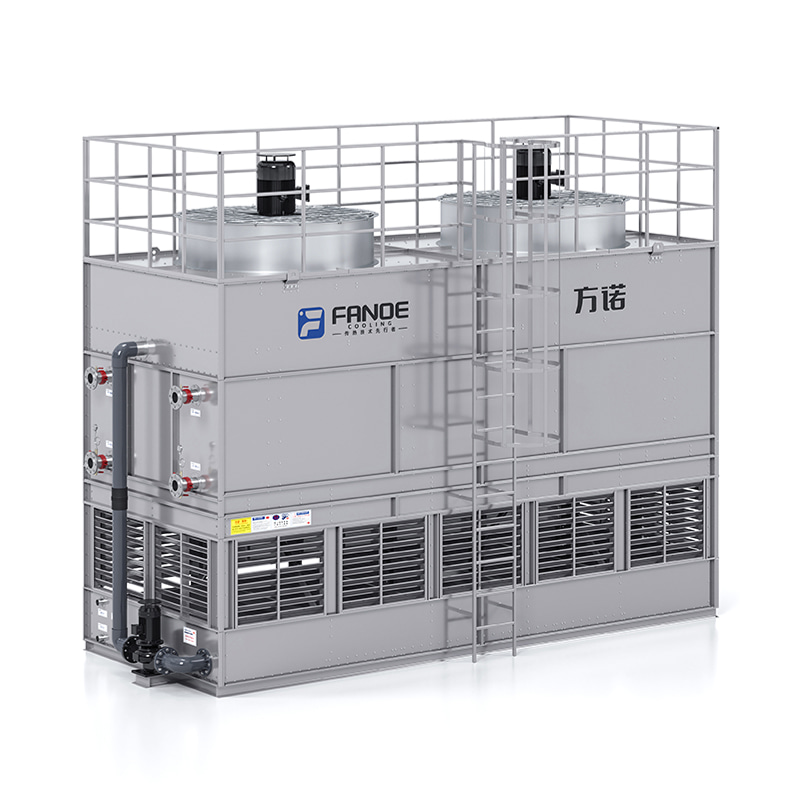 What Is a Closed Type Cooling Tower and When Should You Use One?How a Closed Type Cooling Tower Actually Works A closed type cooling tower — also widely referred to as a closed-circuit cooling tower, closed-loop c...
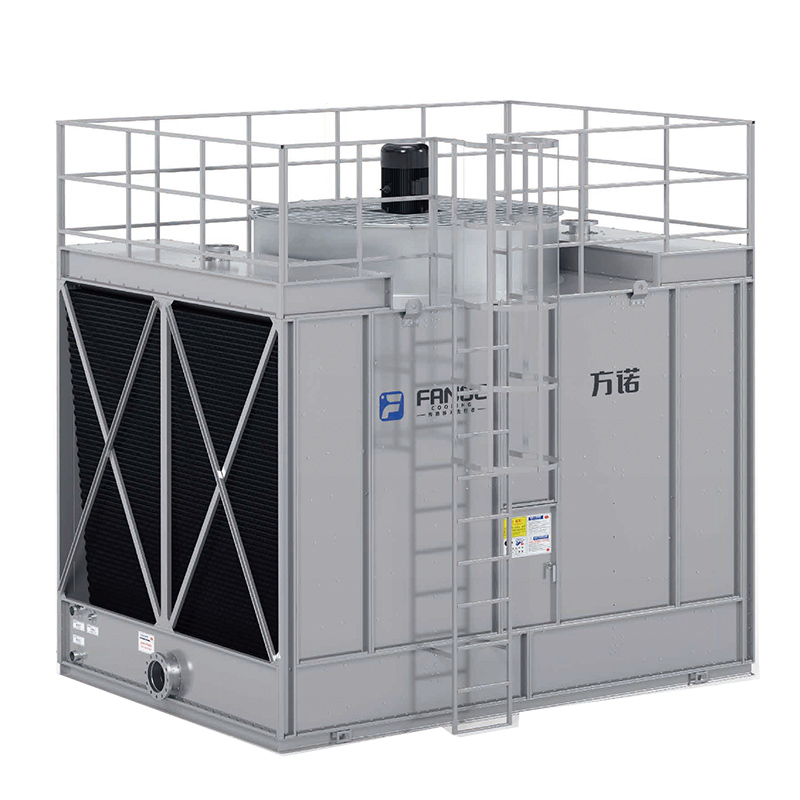 Cooling Tower Guide: Types, How They Work & Selection CriteriaHow a Cooling Tower Actually Works A cooling tower is a heat rejection device that removes waste heat from a process or building system by transferrin...
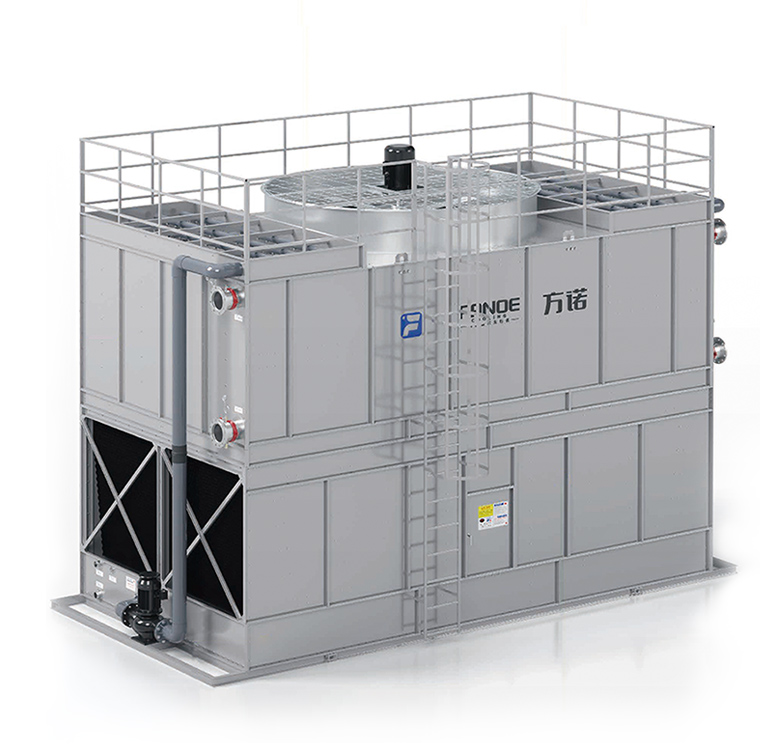 Industrial Cooling Towers: How They Work, Types, and How to Keep Them Running RightWhat Industrial Cooling Towers Do and Why They Matter Industrial cooling towers are large heat rejection systems designed to remove excess thermal en...
 Evaporative Condenser Explained: How It Works, How to Choose One, and How to Keep It RunningWhat Is an Evaporative Condenser and How Does It Work? An evaporative condenser is a heat rejection device that combines the functions of a condenser ...