


 Eng
Eng English
 中文简体
中文简体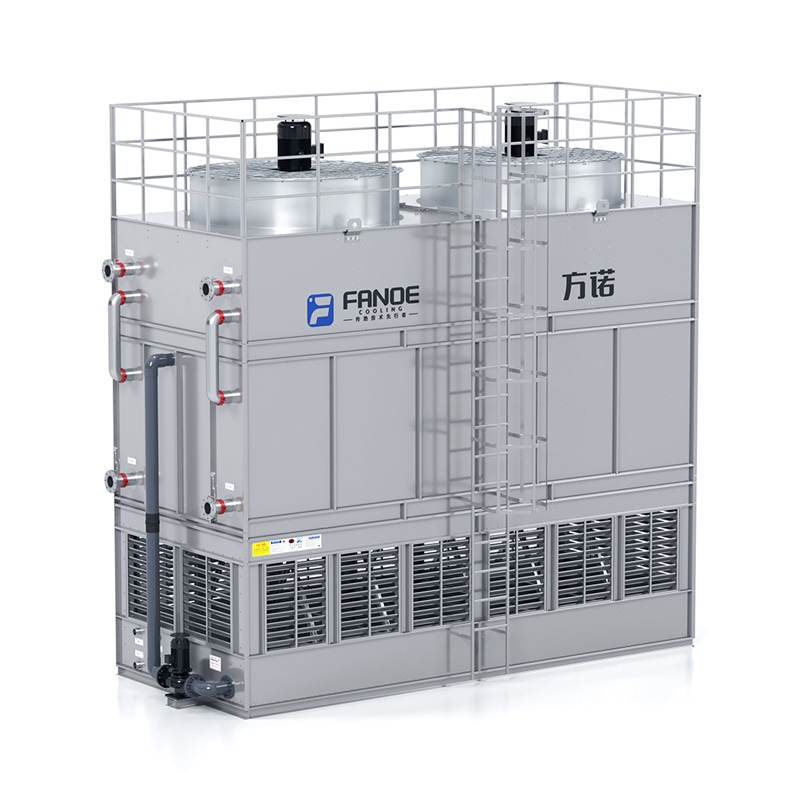
Why Fan Performance Has a Bigger Impact Than Most Operators Realize
Industrial cooling tower fans are responsible for moving the volume of air needed to evaporate water and remove heat from the cooling cycle, making them one of the most performance-critical components in the entire cooling tower sys...
Dry and Wet Combined Cooling Tower Manufacturers
There are two modes of dry and wet cooling towers: dry and cold operation and wet and cold operation. When the ambient temperature is ≤ the designed stop spraying temperature, the spray water can be turned off, and the cooling needs can be met entirely by convection heat exchange with the air. Dry-cooling operation does not consume water, so white fog is avoided. Dry-cooling operation can save a lot of water and water treatment costs every year. Widely used: thermal power generation, nuclear power generation, petrochemical, fine chemical, steel metallurgy, non-ferrous metal metallurgy and other fields.
The dry and wet combined cooling tower the advantages of dry cooling and wet cooling, and its working principle is as follows:
Dry cooling principle: Hot water enters the cooling tube bundle of the dry cooling part. Usually, the cooling tube bundle uses high-efficiency heat transfer elements such as finned tubes to increase the heat transfer area. Under the action of the fan, external air flows through the outer surface of the cooling tube bundle. Since the hot water temperature in the pipe is higher than the air temperature outside the pipe, there is a temperature difference between the two. Heat is transferred from the hot water to the air through the pipe wall in a sensible heat exchange manner, which reduces the hot water temperature and increases the air temperature. The heated air is discharged from the tower by the fan, thereby achieving initial cooling of the hot water.
The principle of wet cooling: The hot water after dry cooling enters the wet cooling part. Hot water is sprayed evenly on the water-dripping filler through the water distribution system to form a water film. The air entering from the lower part of the cooling tower is in full contact with the water film on the filler during upward flow. On the one hand, air directly contacts heat transfer with water, reducing the temperature of the water; on the other hand, part of the water evaporates into water vapor and enters the air, absorbing the latent heat of vaporization during the evaporation process, further reducing the temperature of the water. The cooled water is collected into the collecting pool and recycled. At the same time, in order to reduce the loss of water droplets and the impact on the environment brought out by the air flow, a water collector and a mist demister are usually provided on the upper part of the wet cooling section. The water collector is used to collect water droplets, and the mist demister is used to remove water mist in the air flow.
Advantages of dry and wet cooling tower:
Significant water saving: zero evaporation loss during dry segment operation, saving 30% to 70% water than pure wet tower;
Flexible adaptation: Switch wet mode in high temperature and high humidity environments to ensure cooling efficiency;
Environmental compliance: reduce drift and white mist (steam plume), suitable for strictly environmentally friendly areas;
Low maintenance cost: Dry section reduces scale and corrosion and extends equipment life.
ABOUT US
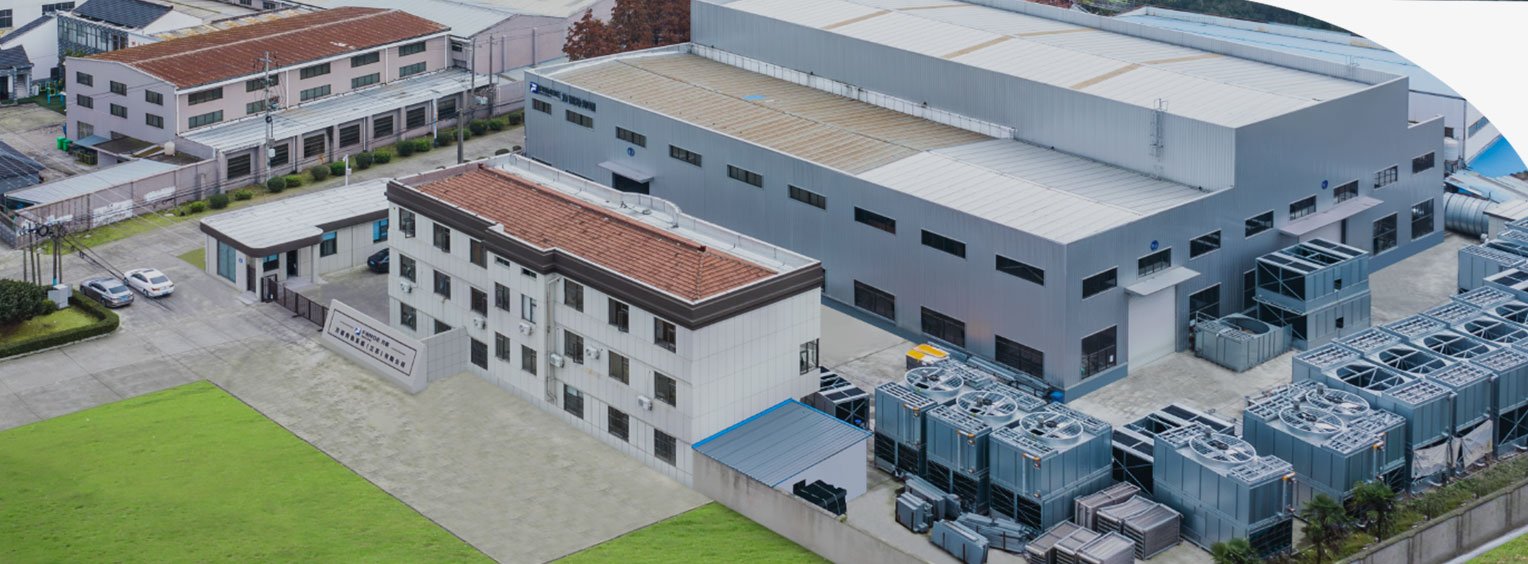
Fangnuo Heat Transfer System (Jiangsu) Co., Ltd.
Fangnuo Heat Transfer System (Jiangsu) Co., Ltd. is a mature provider of systematic solutions for circulating water cooling systems. We have self-developed selection software, professional product design, and water and electrical engineers. We offer integrated services ranging from cooling tower selection, production, and system installation to post-installation maintenance. Our main products include closed cooling towers, evaporative condensers, Wet and Dry cooling towers, and Open cooling towers, among others.
As China Dry and Wet Combined Cooling Tower Manufacturers and OEM/ODM Dry and Wet Combined Cooling Tower Factory, Fangnuo has a team of professionals with over 20 years of experience in refrigeration heat exchanger management, R&D, and manufacturing. In the design, production, and maintenance of cooling equipment, the staff of Fangnuo Heat Transfer adheres to the essence of the corporate culture of exploration, integrity, and meticulously serving every customer and paying close attention to every detail. Our products are widely used in industries such as medical devices, pharmaceuticals and biotechnology, food and chemical processing, photovoltaic energy, automotive casting, HVAC equipment, packaging and injection molding, steel forging, aerospace, and electronic engineering.
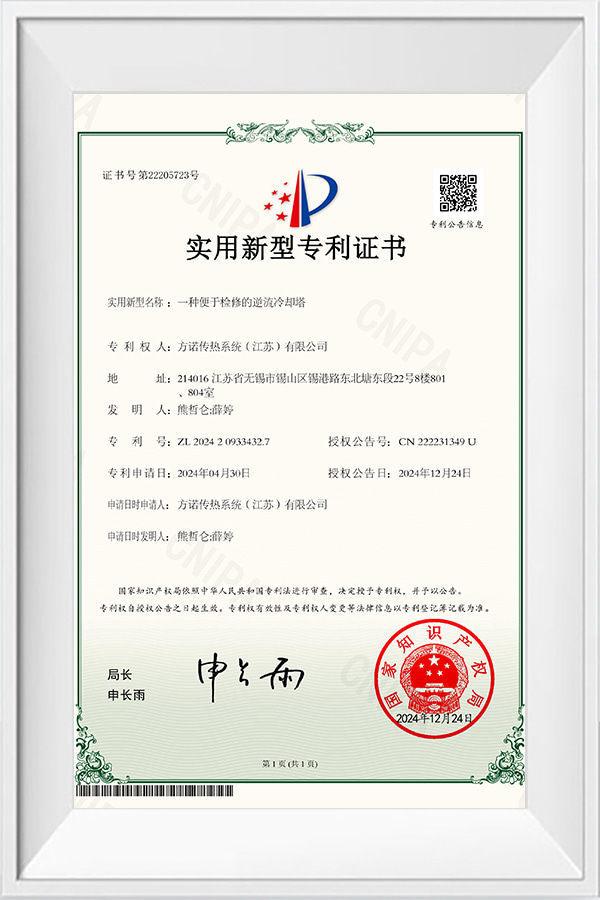
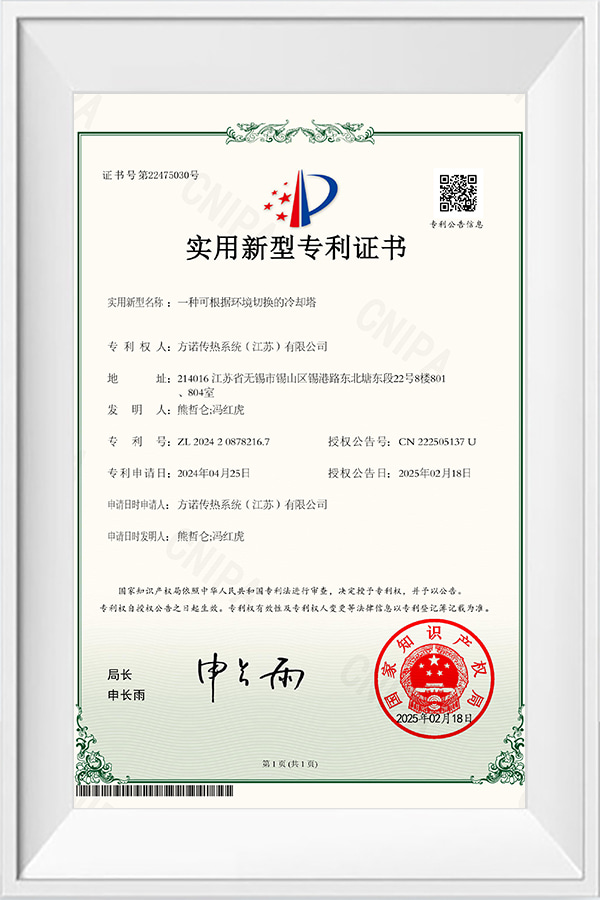
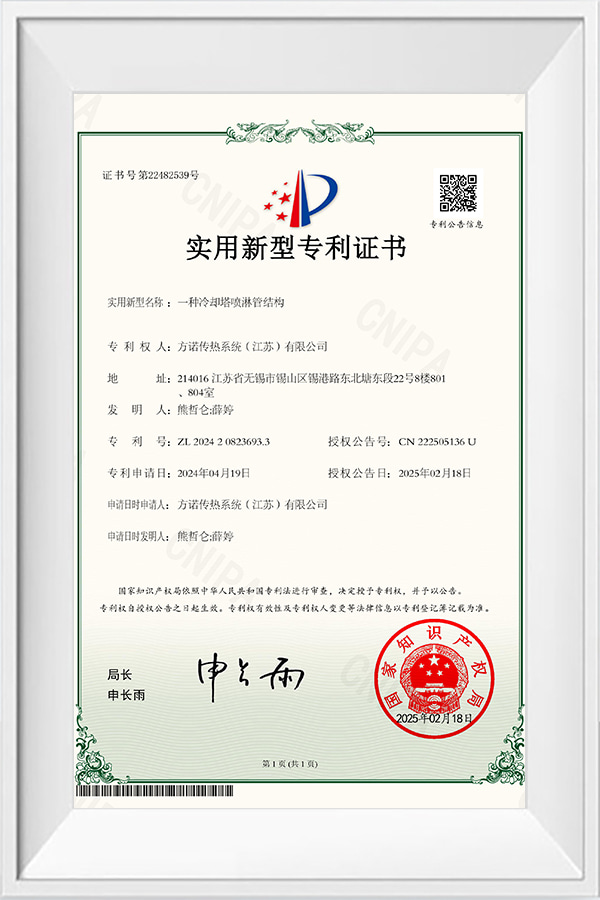
Since its establishment, Fangnuo has strictly adhered to the principles of integrity and kept improving, and has been awarded the titles of Five-star Quality and Credit Enterprise of Jiangsu Province, AAA-level Enterprise Quality Service of Jiangsu Province, Excellent Private Enterprise of Jiangsu Province, Jiangsu Province Baijia Enterprise. Our products have passed CTI, CCTI, and energy-saving and water-saving tests, and have obtained ISO9001 Quality Management System Certification, ISO14001:2015 Environmental Management System Certification, and ISO45001:2018 Occupational Health and Safety Management System Certification. We offer Custom Dry and Wet Combined Cooling Tower.
HONORARY CERTIFICATION
CERTIFICATE
LATEST UPDATES
WHAT'S NEWS
-
 Industrial Cooling Tower Fans: What to Know Before You Replace or Upgrade Yours
 -
 Counter-current Evaporative Condenser Explained: How It Cools Better and Saves EnergyWhat Is a Counter-current Evaporative Condenser? A Counter-current Evaporative Condenser is a piece of industrial cooling equipment that rejects heat from a refrigeration or process system by combining air flow and water spray in opposite directions across the coil. As hot refrigerant gas passes thr...
 -
How a Cross-flow Evaporative Condenser Works and Why It Saves You Money on CoolingWhat a Cross-flow Evaporative Condenser Actually Does A cross-flow evaporative condenser is a heat rejection device used in refrigeration and HVAC systems that removes heat from a hot refrigerant vapor by combining two simultaneous cooling mechanisms: sensible cooling from water evaporation and late...
-
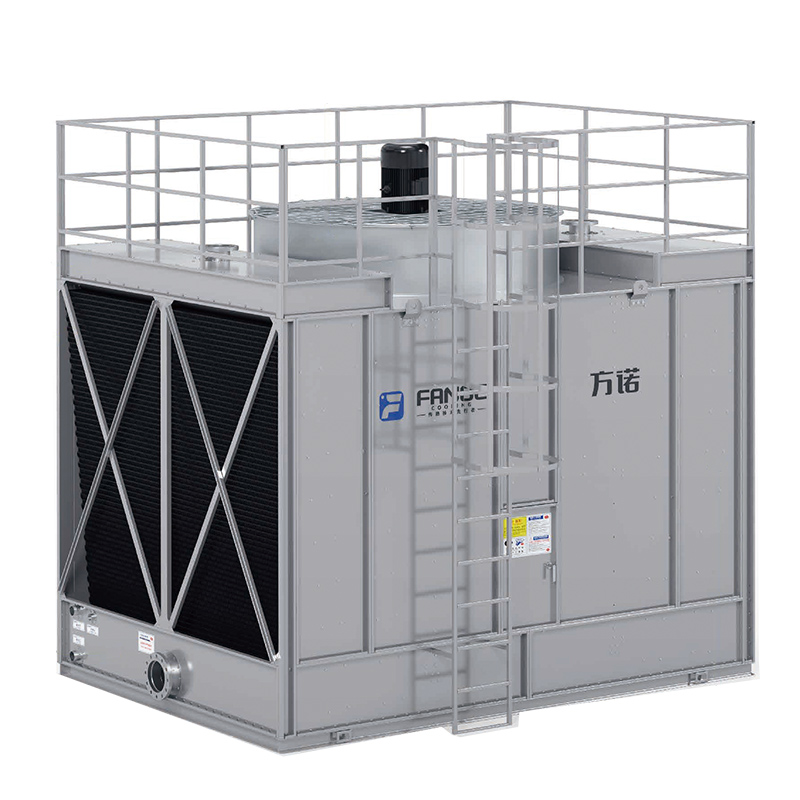 Cooling Towers Explained: How They Work, Types, and How to Pick the Right OneHow a Cooling Tower Actually Works A cooling tower is a heat rejection device that removes waste heat from a process or building system by transferring it to the atmosphere through the evaporation of water. The fundamental principle is straightforward: hot water from a chiller, industrial process, o...
INDUSTRY KNOWLEDGE
Introduction to Dry and Wet Combined Cooling Towers
Dry and wet combined cooling towers, also known as hybrid cooling towers, integrate both air-cooled (dry) and water-cooled (wet) technologies into a single system. This hybrid approach allows for improved energy efficiency, reduced water consumption, and better adaptability to varying environmental conditions compared to traditional single-mode cooling towers.
Working Principle of Hybrid Cooling Towers
Dry Section
The dry section uses air-cooled heat exchangers to dissipate heat without consuming water. Hot water or process fluid passes through finned tubes, and ambient air flows across the tubes, removing heat through convection. This section is especially useful in low-load conditions or when water conservation is a priority.
Wet Section
The wet section relies on evaporative cooling, where water sprays over heat exchange surfaces while air passes through, causing partial evaporation and heat removal. This method provides high cooling efficiency but consumes water, making it ideal for peak load conditions.
Advantages of Dry and Wet Combined Cooling Towers
- Significant water savings by using the dry section during low-load periods.
- Improved operational flexibility under varying ambient temperatures.
- Reduced risk of water treatment problems since water usage is minimized.
- Ability to maintain cooling performance even during water restrictions or drought conditions.
Applications of Hybrid Cooling Towers
Hybrid cooling towers are widely used in industries where both water conservation and high cooling efficiency are important. Typical applications include power plants, chemical processing facilities, data centers, and HVAC systems in large commercial buildings.
Data Centers
In data centers, hybrid cooling towers reduce water consumption while ensuring that servers remain within safe operating temperatures. They adapt dynamically to load variations, allowing efficient cooling without over-relying on water resources.
Industrial Processes
Industries with variable heat loads benefit from the hybrid system as it combines water-free cooling for low loads and high-efficiency evaporative cooling for peak demands. This improves overall process reliability and reduces operational costs.
Design Considerations
- Sizing the dry and wet sections according to peak and average loads.
- Material selection to resist corrosion and scaling in the wet section.
- Integration of control systems for automatic switching between dry and wet modes.
- Consideration of local environmental conditions, such as temperature and humidity, to optimize performance.
Maintenance and Operational Tips
Proper maintenance ensures optimal performance and longevity of hybrid cooling towers. Key practices include regular inspection of heat exchangers, cleaning of wet sections to prevent scaling, monitoring water quality, and checking fans and pumps for wear. Implementing an automated control system can also enhance efficiency and reduce manual intervention.

PRODUCT LIST
SERVICES & SUPPORT
CONTACT INFO.
-
 +86-153 7026 2058
-
 +86-0510-8823 2283
-
 [email protected]
-
 No. 22, East Section of Dongbeitang, Xigang Road, Xishan District, Wuxi City, Jiangsu, China
Copyright © 2025 Fangnuo Heat Transfer System (Jiangsu) Co., Ltd. All rights reserved.
Dry and Wet Combined Cooling Tower Factory