


 Eng
Eng English
 中文简体
中文简体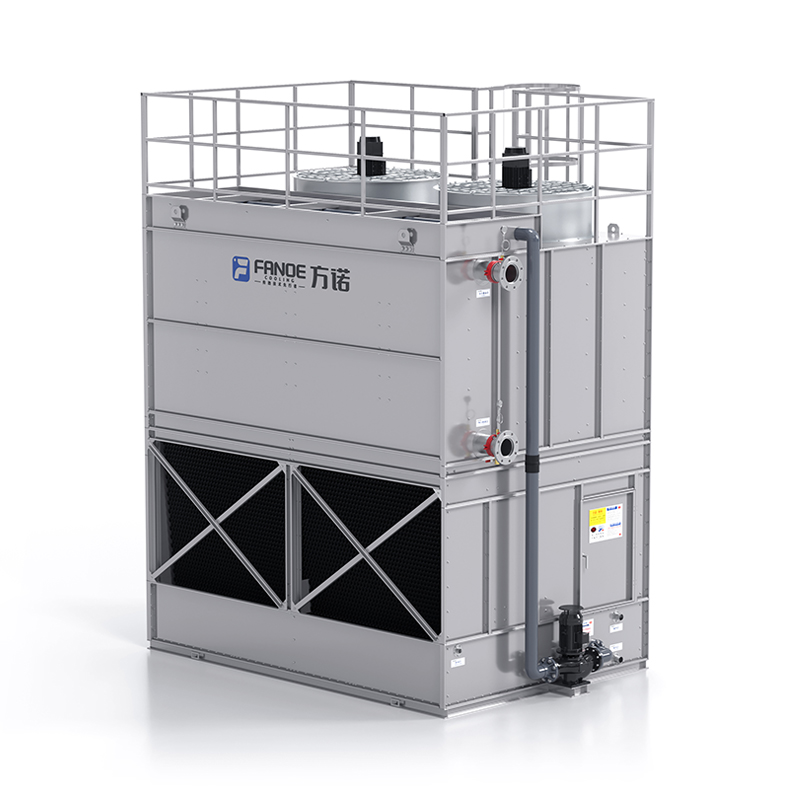

Why Fan Performance Has a Bigger Impact Than Most Operators Realize
Industrial cooling tower fans are responsible for moving the volume of air needed to evaporate water and remove heat from the cooling cycle, making them one of the most performance-critical components in the entire cooling tower sys...
Compound Flow Closed Cooling Tower Suppliers
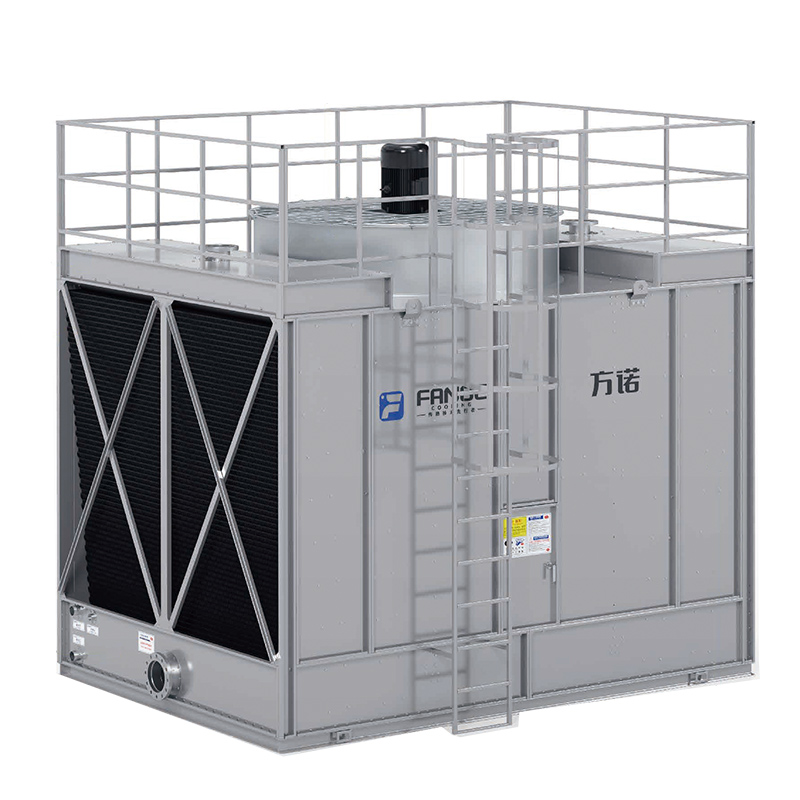
The compound flow closed cooling tower flow closed cooling tower is an efficient, energy-saving and environmentally friendly cooling equipment. It adopts a composite flow design and closed circulation design with two air flow paths, counterflow and crossflow. It is widely used in industries such as petrochemicals, metallurgy, steel, electricity, automobile manufacturing, injection molding, rubber tires, air conditioning systems, food, pharmaceuticals and data centers, and other scenes that require precise temperature control and efficient heat dissipation. It is divided into: double-inlet composite flow closed cooling tower and single-inlet composite flow closed cooling tower.
Working principle of composite flow closed cooling tower: high-temperature circulating water (or other media) enters the cooler in the tower, and the heat is transferred to the spray water outside the tube through the pipe wall. At the same time, air enters the tower from the top and flows through the cooler surface to exchange heat with the spray water. In this process, the circulating water temperature decreases and becomes low-temperature water, the spray water temperature increases and remains relatively stable, and the air temperature increases to become high-temperature and high-humidity air. The low-temperature circulating water enters the host (cooled equipment) again to absorb heat. The spray water flows through the filler and exchanges heat with the air entering the tower from the side again. In this process, the spray water temperature is further reduced to become low-temperature water, and the air temperature increases to become high-temperature and high-humidity air. The low-temperature spray water falls into the water collection tank and is reused, and two streams of high-temperature and high-humidity air are discharged from the tower through the fan.
Fangnuo compound flow closed cooling tower has the following features:
The spray water completely wraps the heat exchange tube without "dry spots", the heat exchange area is fully utilized, and it is not easy to scale;
High cooling efficiency: adding fillers can cool the spray water for a second time, reducing the spray water temperature and improving the heat exchange efficiency of the cooler;
The air flows through the cooler in the same direction as the spray water, and the air flows through the fillers perpendicular to the spray water. This design reduces wind resistance, and the energy consumption of the cooling tower is relatively low, which is more energy-saving;
Good water quality protection, excellent water-saving performance, and simple operation and maintenance: the circulating water does not come into contact with the outside air and is not affected by the external environment. The circulating water quality is cleaner and more stable, which improves the operating efficiency of the host (cooled equipment) and reduces maintenance costs;
When multiple units are combined, the footprint is small.
The compound flow closed cooling tower achieves a balance between energy efficiency and reliability through innovative airflow organization. When designing and selecting, it is necessary to comprehensively consider thermodynamic parameters, local climate and operation and maintenance costs to maximize the benefits of the entire life cycle.
ABOUT US
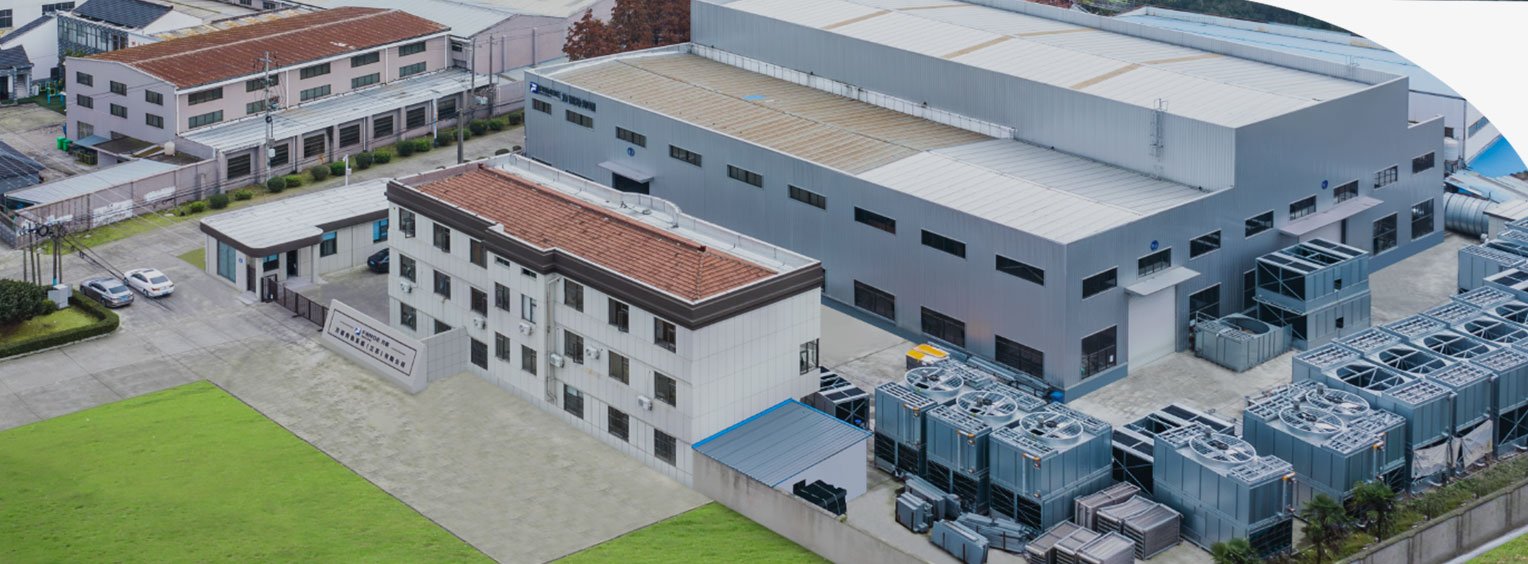
Fangnuo Heat Transfer System (Jiangsu) Co., Ltd.
Fangnuo Heat Transfer System (Jiangsu) Co., Ltd. is a mature provider of systematic solutions for circulating water cooling systems. We have self-developed selection software, professional product design, and water and electrical engineers. We offer integrated services ranging from cooling tower selection, production, and system installation to post-installation maintenance. Our main products include closed cooling towers, evaporative condensers, Wet and Dry cooling towers, and Open cooling towers, among others.
As China Compound Flow Closed Cooling Tower Suppliers and OEM/ODM Compound Flow Closed Cooling Tower Factory, Fangnuo has a team of professionals with over 20 years of experience in refrigeration heat exchanger management, R&D, and manufacturing. In the design, production, and maintenance of cooling equipment, the staff of Fangnuo Heat Transfer adheres to the essence of the corporate culture of exploration, integrity, and meticulously serving every customer and paying close attention to every detail. Our products are widely used in industries such as medical devices, pharmaceuticals and biotechnology, food and chemical processing, photovoltaic energy, automotive casting, HVAC equipment, packaging and injection molding, steel forging, aerospace, and electronic engineering.
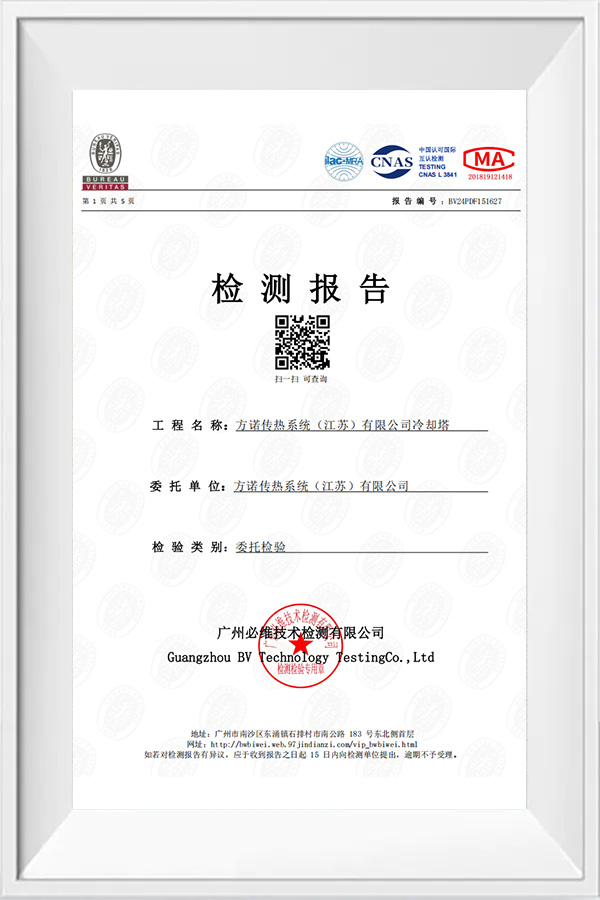
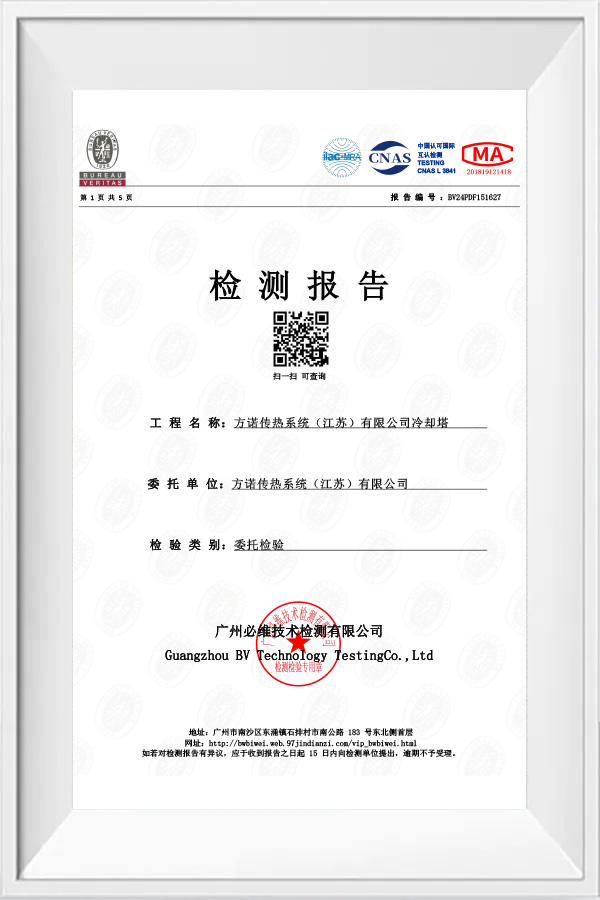
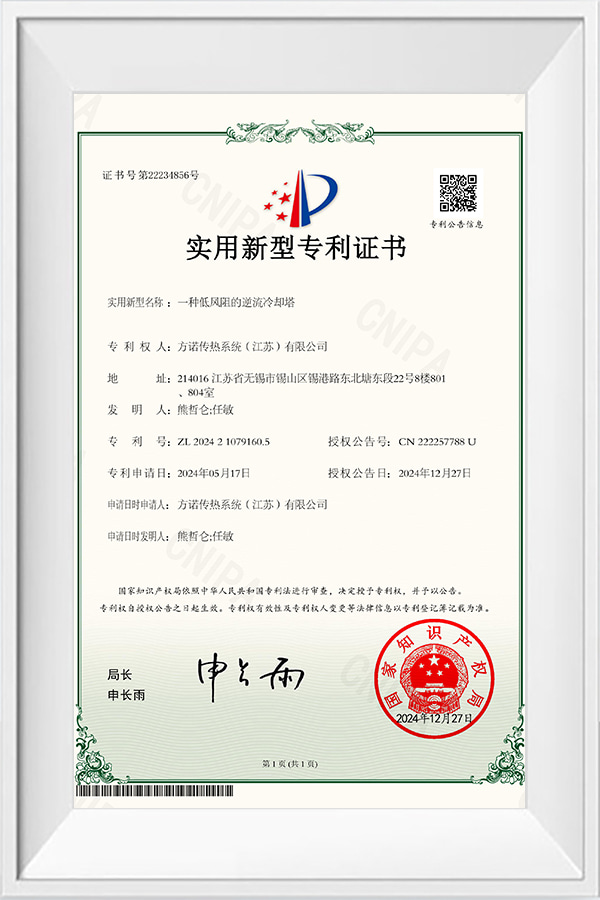
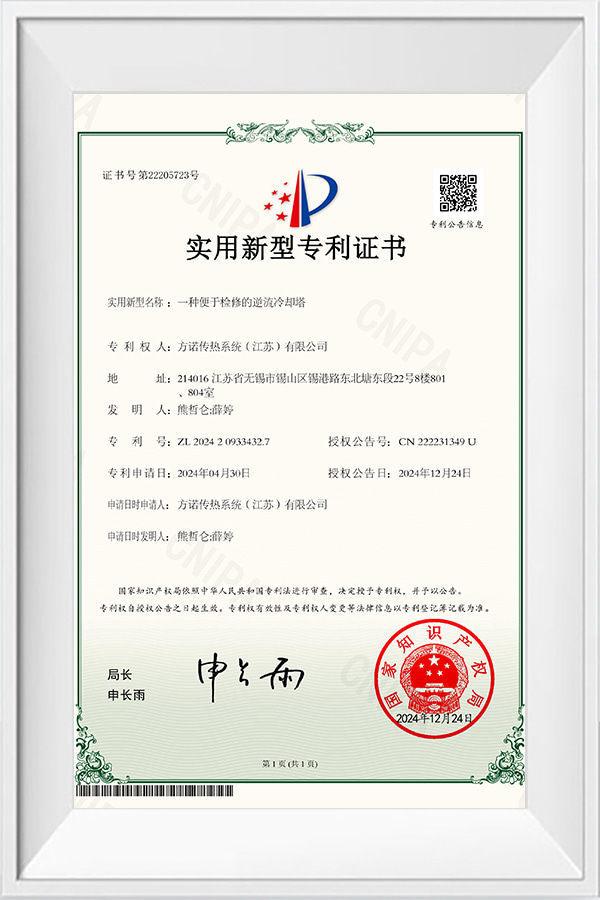
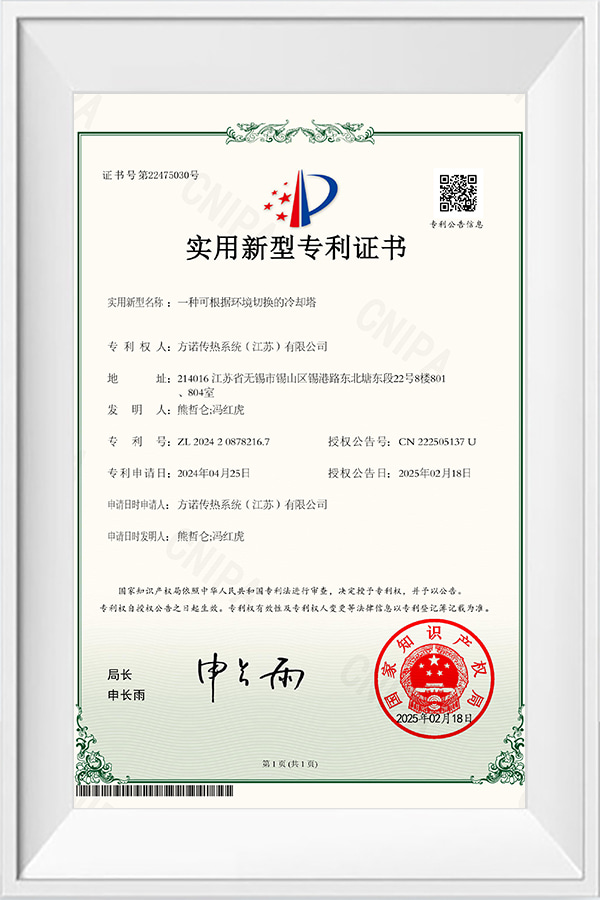
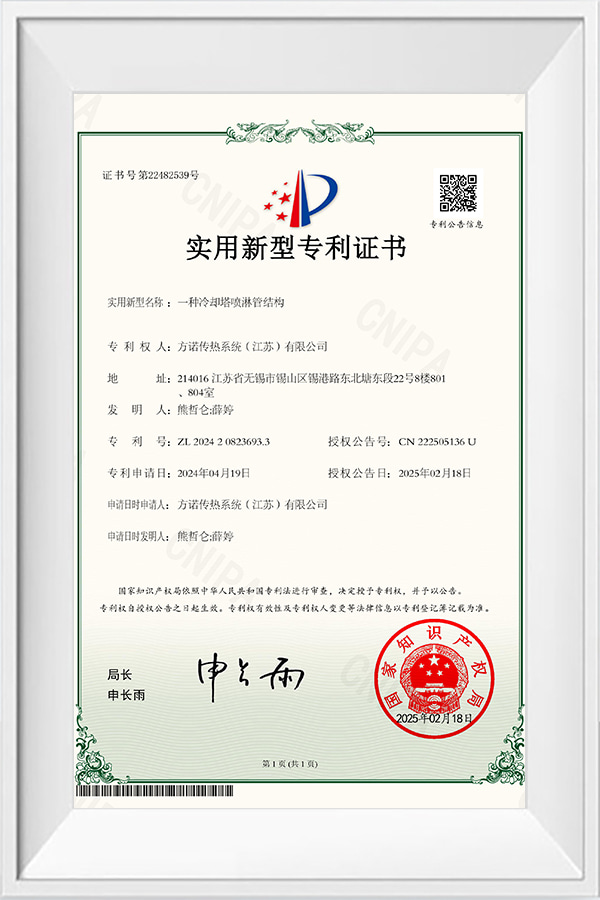
Since its establishment, Fangnuo has strictly adhered to the principles of integrity and kept improving, and has been awarded the titles of Five-star Quality and Credit Enterprise of Jiangsu Province, AAA-level Enterprise Quality Service of Jiangsu Province, Excellent Private Enterprise of Jiangsu Province, Jiangsu Province Baijia Enterprise. Our products have passed CTI, CCTI, and energy-saving and water-saving tests, and have obtained ISO9001 Quality Management System Certification, ISO14001:2015 Environmental Management System Certification, and ISO45001:2018 Occupational Health and Safety Management System Certification. We offer Custom Compound Flow Closed Cooling Tower.
HONORARY CERTIFICATION
CERTIFICATE
LATEST UPDATES
WHAT'S NEWS
-
 Industrial Cooling Tower Fans: What to Know Before You Replace or Upgrade Yours
 -
 Counter-current Evaporative Condenser Explained: How It Cools Better and Saves EnergyWhat Is a Counter-current Evaporative Condenser? A Counter-current Evaporative Condenser is a piece of industrial cooling equipment that rejects heat from a refrigeration or process system by combining air flow and water spray in opposite directions across the coil. As hot refrigerant gas passes thr...
 -
How a Cross-flow Evaporative Condenser Works and Why It Saves You Money on CoolingWhat a Cross-flow Evaporative Condenser Actually Does A cross-flow evaporative condenser is a heat rejection device used in refrigeration and HVAC systems that removes heat from a hot refrigerant vapor by combining two simultaneous cooling mechanisms: sensible cooling from water evaporation and late...
-
 Cooling Towers Explained: How They Work, Types, and How to Pick the Right OneHow a Cooling Tower Actually Works A cooling tower is a heat rejection device that removes waste heat from a process or building system by transferring it to the atmosphere through the evaporation of water. The fundamental principle is straightforward: hot water from a chiller, industrial process, o...
INDUSTRY KNOWLEDGE
What is a Compound-Flow Closed Cooling Tower?
A compound-flow closed cooling tower is a heat-rejection device that combines different internal air/water flow patterns (for example, counterflow and crossflow sections or staged airflow passages) within a single packing/casing arrangement while keeping the process fluid isolated inside tubes or coils (closed circuit). The term “compound-flow” refers to the engineered combination of flow paths to improve thermal performance, control drift, or fit a constrained footprint while the “closed” part means the process fluid never contacts ambient air — only the secondary water or glycol loop does. This configuration is common where fluid contamination is unacceptable (process oils, glycol, pharmaceuticals) but enhanced cooling performance or reduced plenum height is required.
Key Components and Their Roles
- Closed-circuit coil or coil bundle: carries the process fluid; sized for required UA and pressure drop.
- Secondary water circuit (recirculating water): sprays or wets the coil surface to extract heat from the coil to the airstream.
- Fill media (packing): increases contact area between water and air — in compound units the fill is sometimes segmented for different airflow patterns.
- Fans and motor assembly: provide designed airflow through the compound passages; variable-speed drives often used for control.
- Drift eliminators & louvers: limit water entrainment and direct airflow between sections.
- Basins, strainers, and pumps: collect and recirculate the secondary water and manage blowdown.
How Compound Flow Improves Performance
Combining more than one flow path inside one tower lets the designer tune the heat transfer and hydraulic characteristics. Typical improvements include:
- Higher effective heat-transfer coefficient by staging different fill geometries in series.
- Reduced plume or drift by locating drift eliminators where air velocity is highest.
- Lower overall tower height for a given duty by splitting the pressure and temperature changes across sections.
- Ability to match uneven thermal loads through parallel/series coil arrangements within the same casing.
Design and Sizing Fundamentals (Practical Steps)
Designing or selecting a compound-flow closed cooling tower begins with the process cooling load and acceptable approach temperature. Follow these practical steps:
- Determine the process heat duty Q (for example, in kW or Btu/hr) and required process-fluid inlet/outlet temperatures.
- Select a secondary-water ΔT (typical 5–10 °C or 9–18 °F) and calculate required mass flow using ṁ = Q / (Cp·ΔT).
- Specify coil UA or overall heat-transfer coefficient target based on allowable approach (wet-bulb minus process outlet temperature).
- Split coil and fill between compound sections if needed — e.g., a counterflow coil first for rough cooling followed by crossflow fill for fine approach.
- Confirm fan power and pump head to overcome compound-section pressure drops, and check structural constraints (sound, footprint).
Quick example (conceptual)
If Q is 200 kW and you choose ΔT on the secondary-water loop = 5 °C, using specific heat Cp ≈ 4.186 kJ/kg·K, the required water mass flow ṁ = Q / (Cp·ΔT) = 200 000 W / (4.186 kJ/kg·K × 5 K). That simplifies to ṁ ≈ 200 000 / 20.93 ≈ 9.56 kg/s. Use this as the baseline for pump and coil selection, then iterate with vendor coil UA values and fan curves to size the compound sections.
Control Strategies and Instrumentation
Compound-flow closed towers benefit from active control to balance sections and optimize energy use. Effective strategies:
- VFD on fan(s) to modulate airflow based on approach or process return temperature.
- Two-pump or variable-speed recirculation to control spray flow and maintain designed wetted area on coils.
- Temperature sensors at process inlet/outlet, secondary-water inlet/outlet, and ambient wet-bulb to implement automated setpoints.
- Flow meters and pressure-drop sensors across coil sections for fault detection and staged isolation.
Water Treatment and Closed-Loop Considerations
Although the process fluid is sealed, the secondary water loop still contacts air and can promote scale, biological growth, and corrosion. Practical recommendations:
- Maintain conductivity and hardness control with chemical treatment tailored to your local makeup water.
- Implement scheduled blowdown to control total dissolved solids (TDS).
- Use biocide regimes and consider UV or filtration where Legionella risk exists (follow local regulations).
- Monitor pH and add corrosion inhibitors to protect coils and piping.
Maintenance Checklist (Practical Tasks and Frequencies)
A concise, regular maintenance plan keeps compound-flow closed towers efficient and reliable. Typical intervals and tasks:
| Interval | Tasks |
|---|---|
| Weekly | Check basin water level, strainers, and visible leaks; verify fan and pump operation. |
| Monthly | Inspect fill media and drift eliminators, measure conductivity and pH, and record approach temperatures. |
| Annually | Clean coil bundle and fill, pressure-test closed-circuit coils if required, inspect motors and bearings, refresh coatings where corrosion is found. |
Common Problems and Troubleshooting
Some repeatable failure modes in compound-flow closed towers and how to address them:
- Poor approach (process outlet too warm): check fan speed, secondary-water flow, fouled coil surface, or reduced fill effectiveness. Clean and restore flows; measure UA to isolate coil vs. airflow problems.
- Excessive drift or water carryover: inspect and replace damaged drift eliminators, ensure correct louvering and that water distribution is even to avoid high-velocity entrainment zones.
- Unplanned corrosion/leaks in closed coil: verify water-treatment chemistry, inspect for oxygen ingress points, and consider replacing with more corrosion-resistant tube material if recurring.
Selecting a Vendor and Specifying a Compound-Flow Unit
When procuring a compound-flow closed cooling tower, include clear, measurable criteria in the specification to avoid ambiguity. At minimum, require:
- Design duty (Q), process inlet/outlet temperatures, and allowable approach (wet-bulb vs process temperature).
- Maximum allowable sound level, footprint constraints, and access/maintenance clearances.
- Detailed coil performance curves, fan curves at specified total pressure, and expected seasonal performance (e.g., at 5°C, 10°C, 15°C wet-bulb).
- Material and coating requirements (coil metallurgy, structural steel finish) and an explicit water-treatment plan.
Conclusion — When to Use Compound-Flow Closed Towers
Choose a compound-flow closed cooling tower when you need the process protection of a closed circuit but also require enhanced thermal performance, tighter approach, reduced height, or site-specific airflow shaping that a single-flow tower cannot deliver. With proper design, control, and water treatment, these systems offer a compact, efficient, and low-contamination solution for demanding industrial and HVAC process cooling applications.

PRODUCT LIST
SERVICES & SUPPORT
CONTACT INFO.
-
 +86-153 7026 2058
-
 +86-0510-8823 2283
-
 [email protected]
-
 No. 22, East Section of Dongbeitang, Xigang Road, Xishan District, Wuxi City, Jiangsu, China
Copyright © 2025 Fangnuo Heat Transfer System (Jiangsu) Co., Ltd. All rights reserved.
Compound Flow Closed Cooling Tower Factory