


 Eng
Eng English
 中文简体
中文简体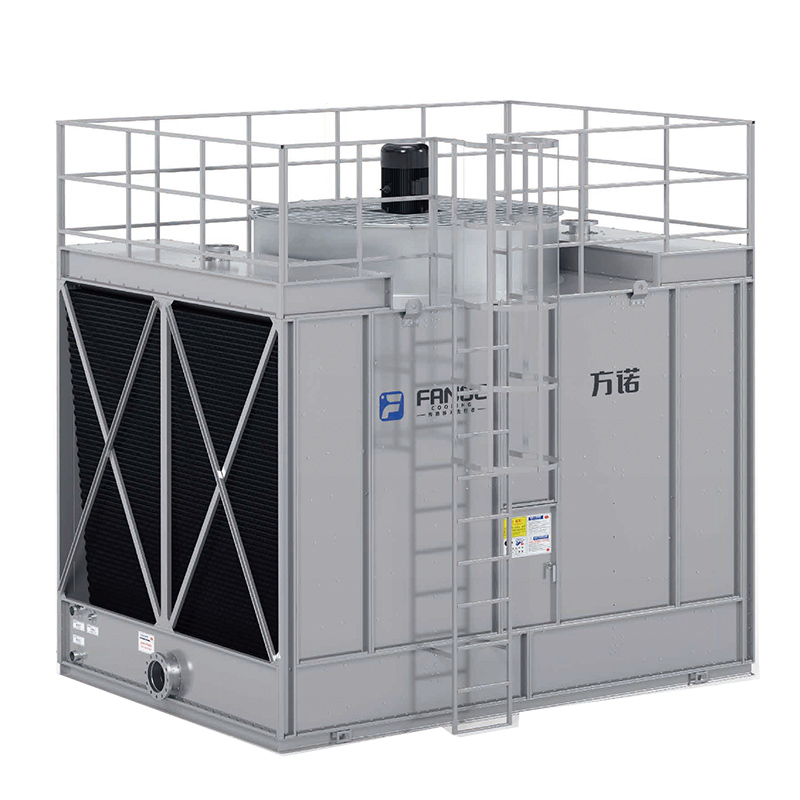

Why Fan Performance Has a Bigger Impact Than Most Operators Realize
Industrial cooling tower fans are responsible for moving the volume of air needed to evaporate water and remove heat from the cooling cycle, making them one of the most performance-critical components in the entire cooling tower sys...
Open Cooling Towers Manufacturers
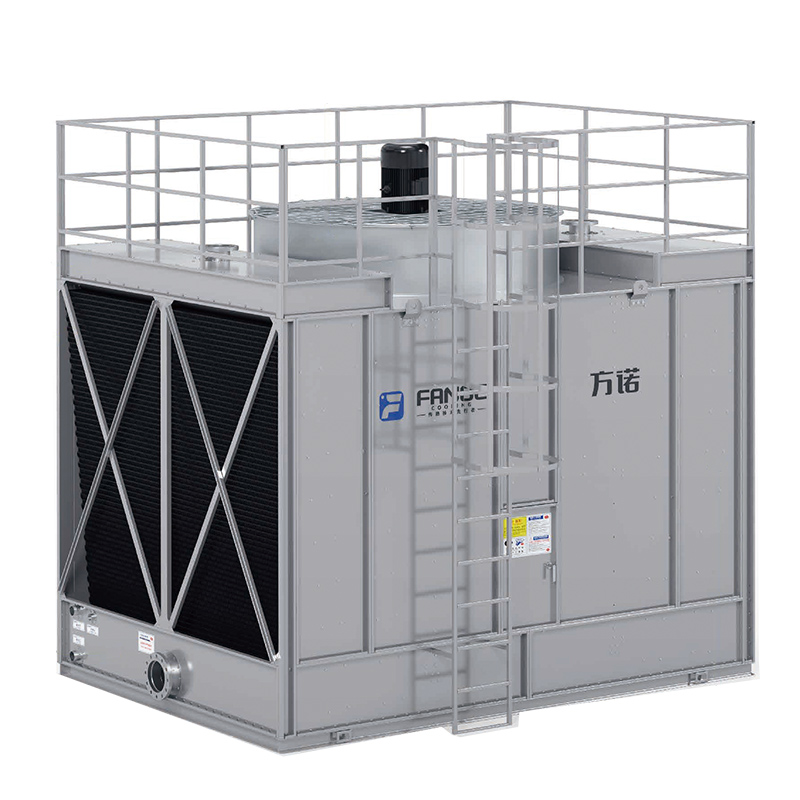
An open cooling tower is a place where cooling water is in direct contact with air, and the temperature is reduced by evaporative heat dissipation and sensible heat exchange. It is widely used in the fields of electricity, chemical industry, air conditioning and refrigeration, and is divided into: cross-flow open cooling tower and counter-flow open cooling tower.
Working principle of open cooling tower: high-temperature cooling water is evenly sprayed from the top of the tower through nozzles or water distribution systems, and air enters the tower by forced ventilation or natural convection from the fan, and contacts with falling water droplets or fillers. Part of the water evaporates, taking away a lot of heat, and the air temperature rises, absorbing part of the heat of the water. The cooled water is collected in the bottom pool and recycled.
Advantages of open cooling tower:
Low initial investment: simple structure, lower manufacturing cost than closed tower;
High cooling efficiency: direct contact heat exchange, especially suitable for cooling with large temperature difference;
Easy maintenance: fillers can be disassembled and cleaned, and faults are easy to troubleshoot.
Disadvantages of open cooling towers:
The fan motor and blades are exposed to the air, making a lot of noise during operation;
Water loss, some water droplets are carried away by the air, and the water collector needs to be optimized;
The entry of external debris will also cause water pollution;
The cooling water pressure loss is higher than that of closed cooling towers, and more pump power is required to maintain water circulation.
Open cooling towers are suitable for occasions with large cooling water volume and convenient water quality management. When choosing, factors such as cost, energy consumption, and maintenance should be considered comprehensively.
ABOUT US
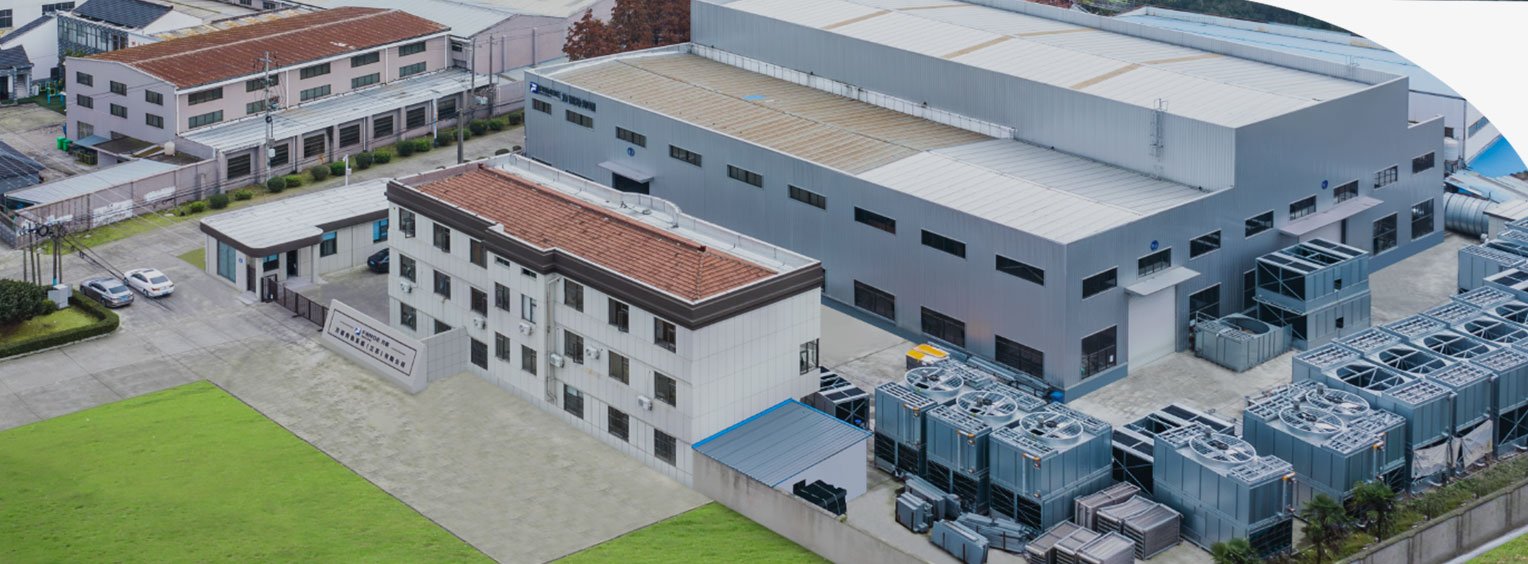
Fangnuo Heat Transfer System (Jiangsu) Co., Ltd.
Fangnuo Heat Transfer System (Jiangsu) Co., Ltd. is a mature provider of systematic solutions for circulating water cooling systems. We have self-developed selection software, professional product design, and water and electrical engineers. We offer integrated services ranging from cooling tower selection, production, and system installation to post-installation maintenance. Our main products include closed cooling towers, evaporative condensers, Wet and Dry cooling towers, and Open cooling towers, among others.
As China Open Type Cooling Tower Manufacturers and OEM/ODM Open Type Cooling Tower Factory, Fangnuo has a team of professionals with over 20 years of experience in refrigeration heat exchanger management, R&D, and manufacturing. In the design, production, and maintenance of cooling equipment, the staff of Fangnuo Heat Transfer adheres to the essence of the corporate culture of exploration, integrity, and meticulously serving every customer and paying close attention to every detail. Our products are widely used in industries such as medical devices, pharmaceuticals and biotechnology, food and chemical processing, photovoltaic energy, automotive casting, HVAC equipment, packaging and injection molding, steel forging, aerospace, and electronic engineering.
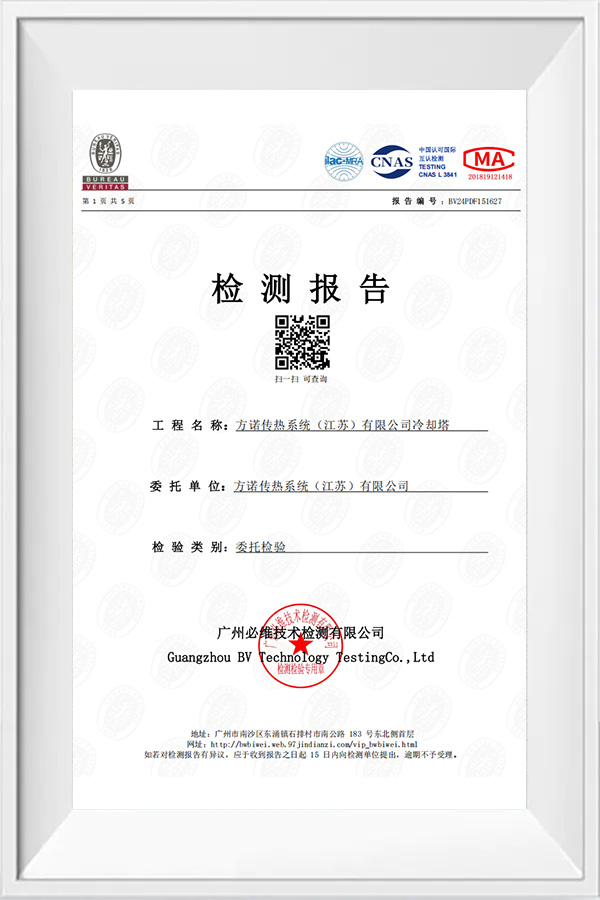
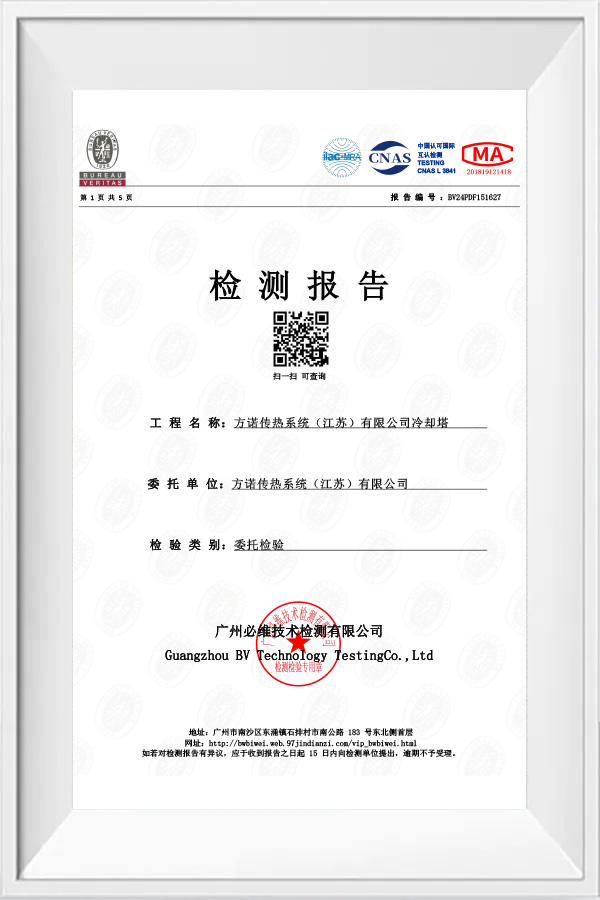
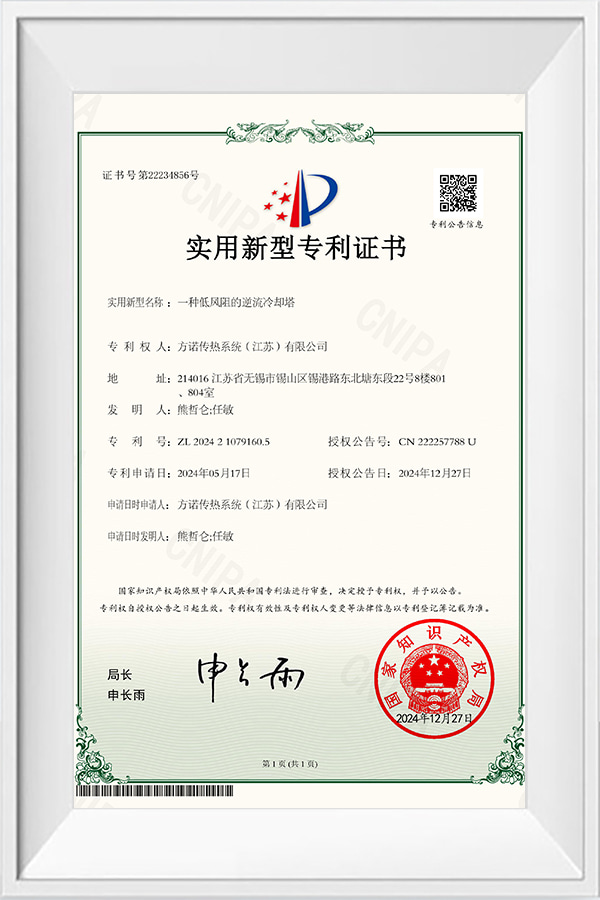
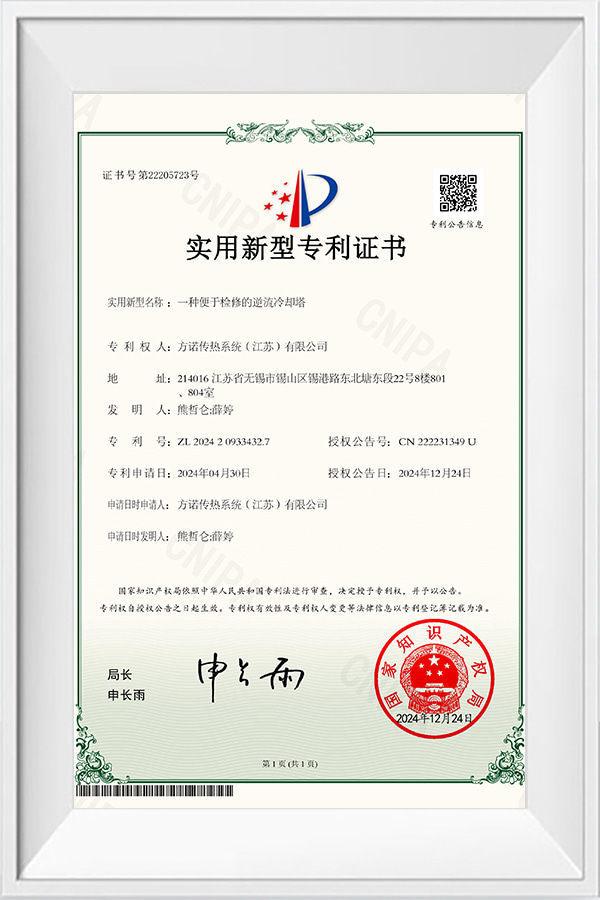
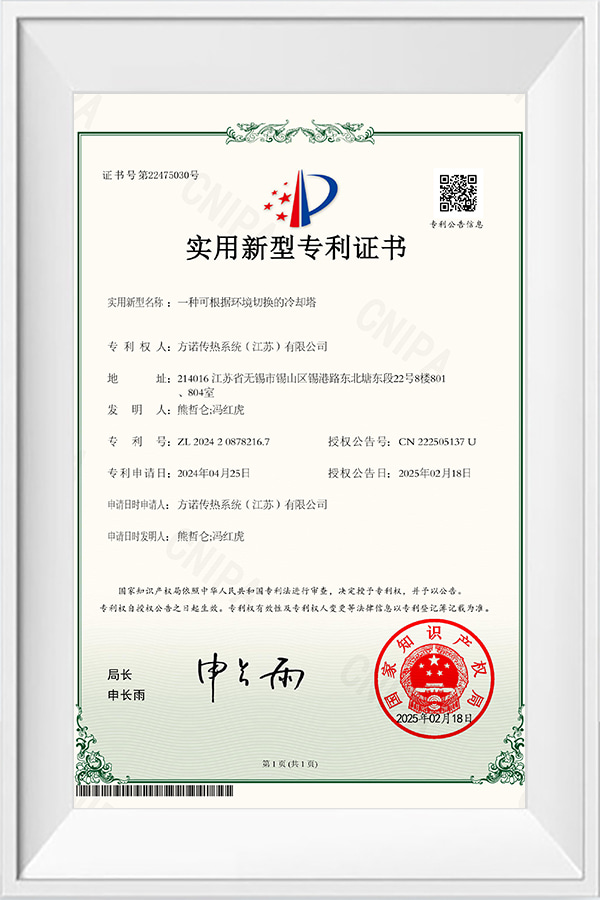
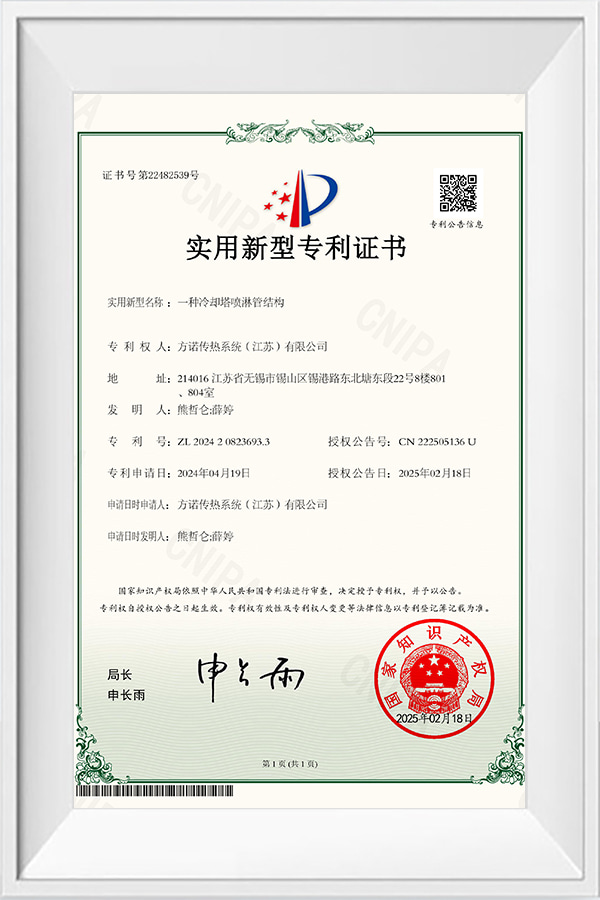
Since its establishment, Fangnuo has strictly adhered to the principles of integrity and kept improving, and has been awarded the titles of Five-star Quality and Credit Enterprise of Jiangsu Province, AAA-level Enterprise Quality Service of Jiangsu Province, Excellent Private Enterprise of Jiangsu Province, Jiangsu Province Baijia Enterprise. Our products have passed CTI, CCTI, and energy-saving and water-saving tests, and have obtained ISO9001 Quality Management System Certification, ISO14001:2015 Environmental Management System Certification, and ISO45001:2018 Occupational Health and Safety Management System Certification. We offer Custom Open Circuit Cooling Tower.
HONORARY CERTIFICATION
CERTIFICATE
LATEST UPDATES
WHAT'S NEWS
-
 Industrial Cooling Tower Fans: What to Know Before You Replace or Upgrade Yours
 -
 Counter-current Evaporative Condenser Explained: How It Cools Better and Saves EnergyWhat Is a Counter-current Evaporative Condenser? A Counter-current Evaporative Condenser is a piece of industrial cooling equipment that rejects heat from a refrigeration or process system by combining air flow and water spray in opposite directions across the coil. As hot refrigerant gas passes thr...
 -
How a Cross-flow Evaporative Condenser Works and Why It Saves You Money on CoolingWhat a Cross-flow Evaporative Condenser Actually Does A cross-flow evaporative condenser is a heat rejection device used in refrigeration and HVAC systems that removes heat from a hot refrigerant vapor by combining two simultaneous cooling mechanisms: sensible cooling from water evaporation and late...
-
 Cooling Towers Explained: How They Work, Types, and How to Pick the Right OneHow a Cooling Tower Actually Works A cooling tower is a heat rejection device that removes waste heat from a process or building system by transferring it to the atmosphere through the evaporation of water. The fundamental principle is straightforward: hot water from a chiller, industrial process, o...
INDUSTRY KNOWLEDGE
What is an Open (Open-Circuit / Open-Type) Cooling Tower?
An open cooling tower (also called an open-circuit or open-type cooling tower) is a heat rejection device where warm process water is exposed directly to ambient air so a small portion evaporates, removing heat from the remaining water. The cooled water is collected in a basin and returned to the process loop. This simple, proven approach is widely used in HVAC, industrial process cooling, power plants, and manufacturing.
Main Components and Their Functions
Understanding core components helps when specifying, operating, or maintaining an open cooling tower. The following are the parts you will encounter in most designs.
Cold-water basin
Collects cooled water after heat transfer. Basin design should include easy access for inspection and sediment removal, properly sized overflow, and a strainer for the return pump.
Fill (wet media)
The fill increases water surface area and residence time for evaporation and convective heat transfer. Choose drift-minimizing, fouling-resistant fill for applications with solids or biological risk.
Drift eliminators
Reduce water entrainment in exiting air. Proper drift control lowers water loss and chemical emissions and helps comply with environmental limits.
Fans and louvers
Fans force or draw air through the fill; louvers control intake airflow and prevent large debris ingress. Fan selection affects system power consumption and thermal performance.
How an Open Circuit Cooling Tower Works — Step-by-Step
The operating principle is straightforward but has practical implications for design and maintenance.
- Hot return water from the process is distributed evenly over the fill via nozzles or troughs.
- Air flows across the falling water (induced- or forced-draft fans) creating evaporation and convective cooling.
- A small fraction of the water evaporates — this latent heat removal cools the bulk water.
- Cooled water collects in the basin and is pumped back to the process; drift eliminators and louvers control water loss and foreign object entry.
Design Considerations & Sizing
Proper design ensures reliable thermal performance, efficient water use, and manageable maintenance. Key factors include approach, range, cooling load, wet-bulb temperature, and cycles of concentration.
Thermal terms to know
Range — temperature difference between hot water entering and cold water leaving the tower. Approach — difference between cooled water temperature and ambient wet-bulb temperature. Smaller approach requires larger tower area or more airflow.
Water balance & cycles of concentration
Evaporation, drift, and blowdown determine makeup water needs. Increasing cycles of concentration reduces makeup water but raises scaling/corrosion risk — manage with proper treatment and blowdown control.
Open vs Closed-Circuit Cooling Towers — Quick Comparison
| Feature | Open-Circuit | Closed-Circuit |
|---|---|---|
| Direct contact | Yes — process water contacts air (evaporation) | No — process fluid stays in a coil; secondary loop exchanges heat |
| Water contamination risk | Higher — open exposure needs robust treatment | Lower — closed loop isolates process fluid |
| Typical applications | Large HVAC, power, industrial process cooling | Corrosion-sensitive processes, glycol loops, hygienic applications |
Water Treatment & Chemistry Best Practices
Open towers require active water treatment to control scaling, corrosion, fouling, and microbiological growth (including Legionella risk mitigation). A combined program includes chemical dosing, monitoring, blowdown control, filtration, and regular microbiological testing where required by regulation.
- Maintain recommended cycles of concentration and schedule automated or manual blowdown to control dissolved solids.
- Use corrosion inhibitors compatible with system metallurgy; verify compatibility with downstream equipment.
- Implement a biocide program and follow local public-health guidance for Legionella control.
- Consider side-stream filtration when particulate load is high to protect fill and nozzles.
Operation, Maintenance & Troubleshooting Checklist
Regular inspection and a preventive maintenance plan maximize uptime and efficiency. Below is a practical checklist you can adopt.
- Weekly: Visual inspection of basins, drift eliminators, louvers, and fan belts; check water level and make-up operation.
- Monthly: Measure conductivity/TDS, inspect nozzles and fill for fouling, test water treatment chemical levels.
- Quarterly: Clean strainers, verify motor and fan vibration levels, lubricate bearings per OEM instructions.
- Annually: Shutdown for deep clean of basin and fill, inspect structural elements, and replace worn drift eliminators or nozzles.
Selection Guide: How to Choose the Right Open Type Cooling Tower
Selection depends on process thermal load, site wet-bulb temperatures, available footprint, water quality, noise constraints, and maintenance capabilities. Use a vendor performance curve to size airflow and water flow for the required range and approach at your site's design wet-bulb condition.
Quick decision flow
- If process fluid must never contact air → choose closed-circuit or heat exchanger loop (not open).
- If water quality is poor and makeup is limited → specify corrosion-resistant materials, robust treatment, and larger blowdown control.
- If footprint is constrained → consider a taller tower with higher approach performance or more efficient fill.
Common Problems and Practical Fixes
- Reduced cooling capacity: check for fouled fill/nozzles, incorrect fan speed, or high approach due to increased wet-bulb — clean or repair as needed.
- Excessive drift or water carryover: verify drift eliminator condition and replace if warped or clogged.
- High corrosion rates: review water treatment chemistry, verify pH and inhibitor levels, and inspect metallurgy compatibility.
- Biological growth: increase biocide program frequency, clean wetted surfaces, and ensure no stagnant zones in the basin.
Summary — Practical Takeaways
Open-circuit cooling towers are cost-effective and efficient for many cooling needs but require careful water treatment and maintenance. Specify based on heat load and local wet-bulb conditions, minimize drift and blowdown with the right components, and implement a routine maintenance and water-chemistry program to protect performance and longevity.

PRODUCT LIST
SERVICES & SUPPORT
CONTACT INFO.
-
 +86-153 7026 2058
-
 +86-0510-8823 2283
-
 [email protected]
-
 No. 22, East Section of Dongbeitang, Xigang Road, Xishan District, Wuxi City, Jiangsu, China
Copyright © 2025 Fangnuo Heat Transfer System (Jiangsu) Co., Ltd. All rights reserved.