Understanding Closed Cooling Towers
Closed cooling towers are specialized heat exchange systems designed to cool process fluids without exposing them directly to the atmosphere. Unlike open cooling towers, closed systems circulate the fluid inside sealed coils or tubes, while water or another cooling medium flows externally over the heat exchange surface. This design prevents contamination, reduces water loss, and enhances operational safety.
Key Components of Closed Cooling Towers
Closed cooling towers consist of several critical components that work together to optimize heat transfer while maintaining a closed-loop system:
- Heat Exchange Coil: The primary element where the process fluid circulates and heat is transferred to the cooling water externally.
- Fill Media: Provides a large surface area to enhance heat dissipation from the cooling water through evaporation.
- Fans and Motors: Facilitate airflow over the fill media, increasing the efficiency of heat removal.
- Water Distribution System: Ensures uniform water flow over the fill for consistent cooling.
- Drift Eliminators: Reduce water loss due to droplet carryover and improve environmental compliance.
Advantages of Closed Cooling Towers
Closed cooling towers offer multiple operational and economic advantages over traditional open cooling systems. These benefits include:
- Reduced Water Consumption: Since the process fluid does not contact external air, water usage is minimized.
- Improved Fluid Quality: The closed-loop prevents contamination from dust, debris, and biological growth.
- Lower Maintenance: Sealed systems reduce the need for chemical treatment and frequent cleaning.
- Environmental Compliance: Reduced drift and emissions make these towers suitable for sensitive industrial areas.
- Energy Efficiency: Advanced coil designs and optimized fan systems improve cooling performance with lower energy input.
Applications in Industry
Closed cooling towers are widely used across industries where maintaining fluid purity and operational safety is essential. Typical applications include:
- HVAC Systems: For large commercial buildings where closed-loop chilled water systems ensure efficient temperature control.
- Power Plants: Cooling turbine lubricants or process water while minimizing environmental impact.
- Chemical Processing: Protecting sensitive chemicals from contamination and maintaining consistent process temperatures.
- Food and Beverage Industry: Cooling process fluids without the risk of microbial contamination.
- Pharmaceutical Production: Maintaining sterile conditions while removing excess heat from processes.
Operational Considerations and Maintenance
Proper operation and maintenance are critical for closed cooling tower efficiency. Key considerations include:
- Monitoring Water Quality: Even though the process fluid is sealed, cooling water must be regularly tested and treated.
- Regular Coil Inspection: To detect fouling or scaling that may reduce heat transfer efficiency.
- Fan and Motor Maintenance: Ensuring mechanical components are functioning properly prevents energy waste.
- Seasonal Cleaning: Periodic cleaning of fill media and distribution systems to maintain performance.
- Leak Detection: Prompt identification of leaks prevents fluid contamination and operational downtime.

Performance Optimization Strategies
Maximizing the performance of closed cooling towers requires a combination of proper design, monitoring, and operational adjustments. Effective strategies include:
- Variable Frequency Drives: Adjust fan speeds based on cooling demand to reduce energy consumption.
- Advanced Fill Designs: Using high-efficiency fill media to increase evaporative cooling capacity.
- Heat Load Management: Balancing process fluid flow and temperature for optimal coil performance.
- Automated Monitoring Systems: Real-time sensors for water temperature, flow rate, and pressure improve operational control.
- Seasonal Water Treatment Adjustments: Tailoring chemical treatment programs to environmental conditions enhances efficiency and prolongs system life.
Comparative Overview: Closed vs. Open Cooling Towers
A comparative understanding helps industries choose the most suitable cooling solution:
| Feature |
Closed Cooling Tower |
Open Cooling Tower |
| Fluid Contamination |
Minimal |
Higher risk |
| Water Consumption |
Low |
High |
| Maintenance Requirements |
Moderate |
High |
| Energy Efficiency |
High |
Moderate |
| Ideal Applications |
Sensitive fluids, industrial processes |
General cooling, water-tolerant systems |
Conclusion
Closed cooling towers are a high-performance, sustainable solution for modern industrial cooling needs. By providing superior fluid protection, reduced water consumption, and energy-efficient operation, these systems are increasingly preferred across sectors ranging from power generation to pharmaceuticals. With proper design, maintenance, and operational strategies, closed cooling towers can significantly enhance both process efficiency and environmental sustainability.



 Eng
Eng English
 中文简体
中文简体

 What Is an Open Circuit Cooling Tower and How Does It Work?
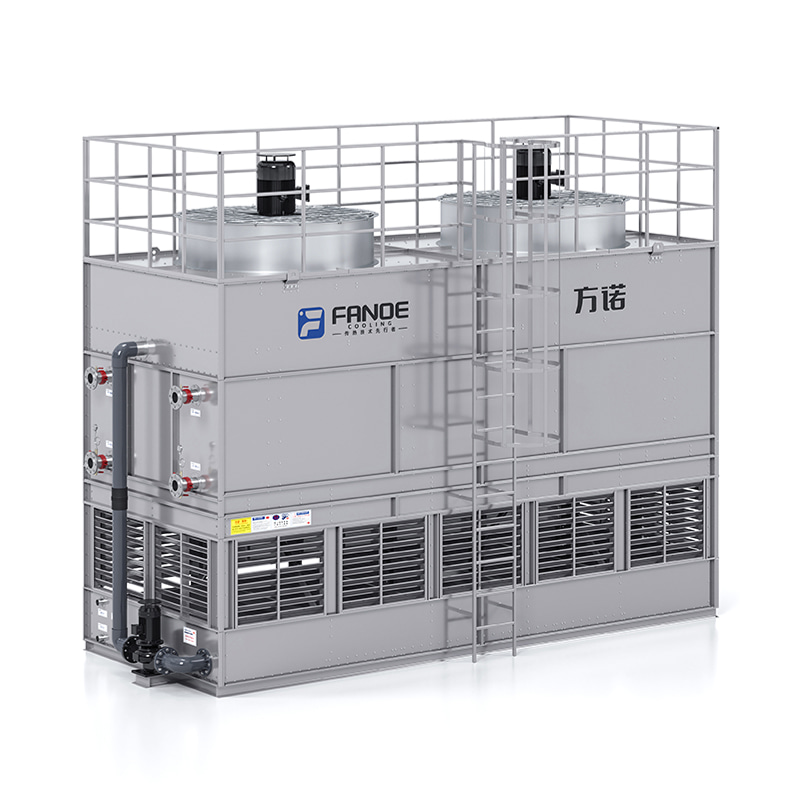 What Is a Closed Type Cooling Tower and When Should You Use One?How a Closed Type Cooling Tower Actually Works A closed type cooling tower — also widely referred to as a closed-circuit cooling tower, closed-loop c...
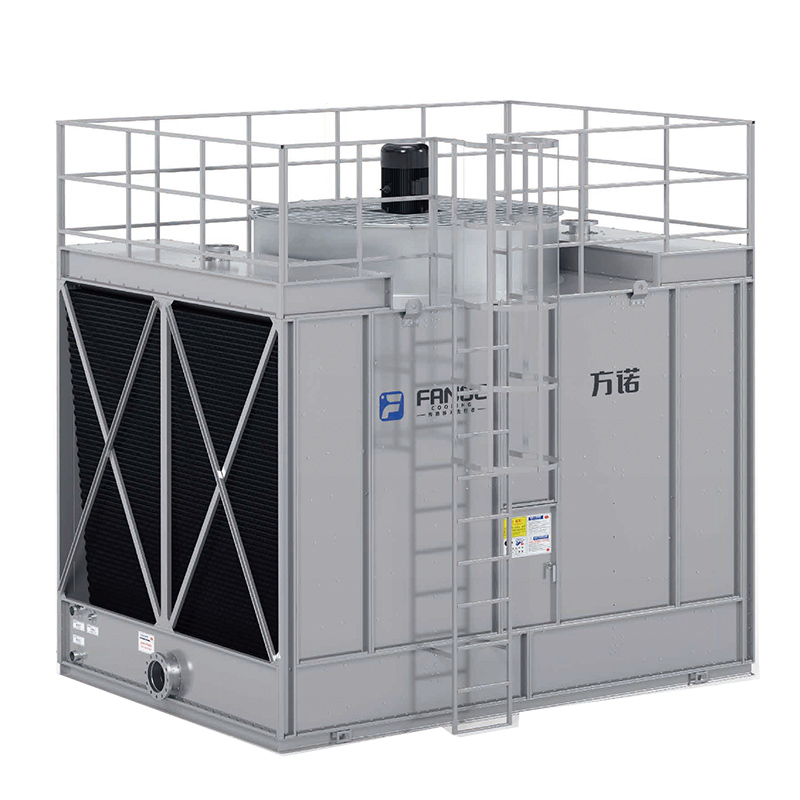 Cooling Tower Guide: Types, How They Work & Selection CriteriaHow a Cooling Tower Actually Works A cooling tower is a heat rejection device that removes waste heat from a process or building system by transferrin...
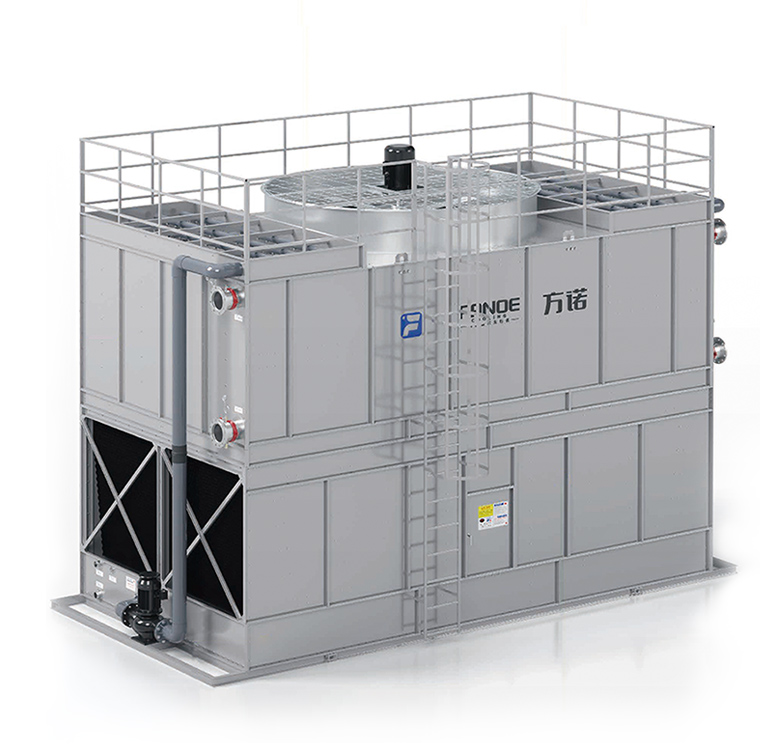 Industrial Cooling Towers: How They Work, Types, and How to Keep Them Running RightWhat Industrial Cooling Towers Do and Why They Matter Industrial cooling towers are large heat rejection systems designed to remove excess thermal en...
 Evaporative Condenser Explained: How It Works, How to Choose One, and How to Keep It RunningWhat Is an Evaporative Condenser and How Does It Work? An evaporative condenser is a heat rejection device that combines the functions of a condenser ...