What Is a Cooling Tower Spray Water Pump and Why Does It Matter?
A cooling tower spray water pump is the heart of any evaporative cooling system. Its primary job is to circulate water from the basin at the bottom of the tower up to the spray nozzles or distribution headers at the top, where the water is then dispersed over the fill media. As the water trickles down through the fill, heat is transferred from the water to the surrounding air through evaporation, lowering the water temperature before it returns to the process equipment.
Without a properly functioning spray pump, the entire cooling process breaks down. If water isn't being delivered to the spray heads at the right pressure and flow rate, hot spots develop, fill media dries out and degrades faster, and the equipment being cooled — whether it's a chiller, compressor, or industrial process — can overheat. That's why understanding how to select, operate, and maintain your cooling tower spray water pump is so important for anyone running HVAC systems, data centers, power plants, or industrial facilities.
How a Cooling Tower Spray Pump Works
The basic operating principle of a cooling tower spray water pump is straightforward. The pump draws warm water from the cold water basin (or sump) located at the base of the tower, then forces it upward through a series of pipes and distribution headers. At the distribution level, spray nozzles atomize the water into fine droplets or sheets, spreading it evenly across the fill or packing material inside the tower.
Most cooling tower circulation pumps are centrifugal pumps, meaning they use a rotating impeller to generate the velocity needed to push water through the system. The motor drives the impeller, which spins inside a volute casing, converting rotational energy into pressure. End-suction centrifugal pumps are the most common type found on small to mid-size cooling towers, while larger industrial towers may use horizontal split-case or vertical turbine pumps to handle higher flow volumes.
Key operating parameters that define the pump's performance include:
- Flow rate (GPM or m³/h): The volume of water the pump moves per unit of time, which must match the tower's design circulation rate.
- Total Dynamic Head (TDH): The total resistance the pump must overcome, including static elevation, pipe friction losses, and nozzle pressure requirements.
- Net Positive Suction Head (NPSH): The minimum pressure required at the pump inlet to prevent cavitation, especially critical in hot water applications.
- Motor power (HP or kW): Must be sized to drive the required flow without overloading under varying system conditions.
Types of Spray Pumps Used in Cooling Towers
Not every cooling tower uses the same type of spray pump. The right choice depends on the tower design, flow requirements, available space, and budget. Here's a breakdown of the most common types:
End-Suction Centrifugal Pumps
These are the workhorses of small and medium cooling tower systems. They're compact, easy to install, and relatively inexpensive to maintain. Water enters axially through the suction port and is discharged radially. They work well when suction lift is minimal and the piping layout is straightforward.
Horizontal Split-Case Pumps
Used in larger commercial or industrial cooling systems where higher flow rates and heads are needed. The split-case design allows the pump casing to be opened horizontally for easy inspection and impeller access without removing the pump from the piping. These pumps are highly efficient and durable under continuous-duty conditions.
Vertical Inline Pumps
These are mounted directly in the pipeline with the motor sitting on top, which saves floor space. Vertical inline pumps are popular in commercial HVAC cooling tower setups where space is limited. They're easy to service since the motor and impeller can be removed from the top without cutting into the pipe.
Submersible Sump Pumps
In some cooling tower designs, submersible pumps are placed directly inside the basin. This eliminates suction piping and priming concerns. They're common in smaller package cooling towers and are especially useful when the sump is below grade. However, they require the water to be reasonably clean to prevent motor overheating.
How to Select the Right Cooling Tower Water Circulation Pump
Selecting the right spray pump for a cooling tower requires working through several key sizing steps. Getting it wrong — either undersizing or oversizing — leads to poor performance, high energy costs, and premature equipment failure.
Step 1: Determine the Required Flow Rate
Start with the cooling tower's design specifications. The required water circulation rate is typically expressed in gallons per minute (GPM) and is based on the heat load the tower needs to reject. A common rule of thumb for HVAC systems is approximately 3 GPM per ton of cooling capacity, but always verify with the tower manufacturer's data sheet.
Step 2: Calculate Total Dynamic Head
TDH accounts for all the pressure losses in the system: the static lift from the basin to the spray nozzles, friction losses through pipes, fittings, valves, and heat exchangers, plus the residual pressure needed at the spray nozzles for proper distribution. Use the Darcy-Weisbach equation or Hazen-Williams formula for friction loss calculations, or rely on pump selection software from major manufacturers.
Step 3: Check NPSH Available
Since cooling towers often handle warm water near its vapor pressure, NPSH is a critical check. Make sure the NPSH available (NPSHa) from your system is at least 1.0–1.5 meters greater than the NPSH required (NPSHr) by the pump at the operating point. Failure to do this leads to cavitation — a destructive phenomenon that erodes impellers and causes noise and vibration.
Step 4: Select Material of Construction
Cooling tower water is treated with biocides, scale inhibitors, and corrosion inhibitors, which means material compatibility matters. Common pump materials include cast iron (economical, suitable for treated water), stainless steel (better corrosion resistance, preferred in aggressive water chemistry), and bronze fittings. For seawater-cooled towers, duplex stainless steel or fiber-reinforced polymer (FRP) pumps may be required.
Here's a quick comparison table to help guide pump type selection:
| Pump Type |
Best For |
Flow Range |
Key Advantage |
| End-Suction Centrifugal |
Small/medium towers |
Up to 500 GPM |
Low cost, easy service |
| Horizontal Split-Case |
Large industrial towers |
500–10,000+ GPM |
High efficiency, durable |
| Vertical Inline |
Space-constrained HVAC |
50–1,500 GPM |
Compact footprint |
| Submersible Sump |
Package/small towers |
Up to 200 GPM |
No priming required |
Common Problems with Cooling Tower Spray Pumps
Even well-selected pumps run into problems over time, especially in the harsh environment of a cooling tower where water is constantly being treated, concentrated through evaporation, and exposed to outdoor conditions. Knowing what to look for can save you from costly downtime.
Cavitation
Cavitation happens when the pressure at the pump inlet drops below the vapor pressure of the water, causing tiny vapor bubbles to form and then violently collapse as they move into higher-pressure zones inside the pump. The result is a rattling or crackling sound, vibration, pitting damage on the impeller, and reduced flow. Common causes in cooling tower applications include clogged suction strainers, undersized suction piping, high water temperature, or a pump operating far from its best efficiency point (BEP).
Clogged Spray Nozzles from Scale or Debris
The pump may be running fine, but if the spray nozzles are partially or fully clogged with mineral scale, biological growth, or debris, the system will show reduced flow and uneven water distribution across the fill. This puts extra back-pressure on the pump and often causes it to run at a higher head than designed, moving it off its performance curve.
Mechanical Seal Leaks
The mechanical seal prevents water from leaking along the pump shaft where it exits the casing. Cooling tower water — with its varying pH, suspended solids, and chemical additives — can be hard on seal faces. A weeping or dripping seal should be addressed promptly; left unchecked, it leads to bearing contamination, shaft corrosion, and motor damage.
Bearing Failure
Overheating bearings are often caused by inadequate lubrication, misalignment between the pump and motor, or operating the pump under excessive radial or axial loads due to poor piping design. In cooling tower environments, water ingress into bearing housings is also a real risk, especially for pumps installed in open areas exposed to spray drift and rain.
Loss of Prime
If the suction piping is not fully flooded or there's an air leak in the suction line, the pump can lose prime and run dry. Running a centrifugal pump dry — even briefly — can damage the mechanical seal in minutes since the seal relies on the pumped liquid for lubrication and cooling.

Cooling Tower Spray Pump Maintenance Best Practices
A well-maintained cooling tower spray water pump should last 15–20 years or more. The following maintenance routines will help you get there:
- Inspect and clean the suction strainer monthly during the operating season. A clogged strainer is one of the most common and easily preventable causes of cavitation and flow loss.
- Check pump and motor alignment quarterly. Misalignment causes vibration, accelerates bearing wear, and puts stress on the mechanical seal. Use a dial indicator or laser alignment tool for accurate results.
- Lubricate bearings according to the manufacturer's schedule. Over-greasing is just as damaging as under-greasing — excess grease churns and generates heat. Follow the recommended quantity and interval exactly.
- Monitor vibration and temperature with a handheld analyzer during each inspection. A sudden increase in vibration or bearing temperature is an early warning sign of developing mechanical problems.
- Inspect the mechanical seal for weeping or dripping at every visit. Replace the seal at the first sign of leakage rather than waiting for failure.
- Flush and clean the pump casing and impeller at seasonal shutdown. Deposits of scale and biofilm inside the pump reduce efficiency and can cause imbalance on the impeller.
- Record operating data — flow, pressure, amps, temperature — at each inspection. Trending this data over time helps identify gradual performance degradation before it becomes a failure.
Energy Efficiency Tips for Cooling Tower Spray Pumps
Cooling tower spray pumps run continuously during the cooling season, so even modest efficiency improvements can yield significant energy savings over a year. Here are some proven strategies:
Install a Variable Frequency Drive (VFD)
Pump power consumption follows the affinity laws — it drops with the cube of speed reduction. Running a pump at 80% speed uses only about 51% of the power compared to full speed. Installing a VFD on the spray pump motor and controlling it based on cooling tower approach temperature or differential pressure can generate energy savings of 30–50% compared to constant-speed operation.
Right-Size the Pump
Oversized pumps are extremely common in cooling systems because engineers apply conservative safety factors at every step of the design process. An oversized pump runs well to the right of its BEP, wasting energy, generating excess heat, and wearing out faster. If your pump is consistently throttled back with control valves, consider trimming the impeller or replacing the pump with a more appropriately sized model.
Keep the System Clean
Scale buildup inside pipes and on spray nozzles increases system resistance, forcing the pump to work harder to deliver the same flow. A good water treatment program that controls scale, corrosion, and biological growth not only protects the pump and tower but also keeps energy consumption down by maintaining design hydraulic conditions.
Consider High-Efficiency Motors
If the pump motor is due for replacement, upgrade to an IE3 or IE4 premium efficiency motor. The payback period for efficiency upgrades on continuously running pump motors is typically less than two years, making it one of the best investments in your cooling tower system.
When to Replace Your Cooling Tower Spray Water Pump
Sometimes repair isn't the most cost-effective path forward. Here are the key indicators that it's time to replace your cooling tower water spray pump rather than continuing to repair it:
- The pump has required two or more major repairs (seal, bearings, or impeller replacement) within a single operating season.
- Severe cavitation damage has eroded the impeller and casing to the point where performance can't be restored by standard repairs.
- The pump is more than 20 years old and spare parts are becoming difficult to source or prohibitively expensive.
- The system's cooling load has changed significantly since the pump was installed, and the existing pump is badly mismatched to the new operating conditions.
- Energy consumption has risen significantly and efficiency analysis shows a new pump with a VFD would pay back its cost within three years.
When replacing, take the opportunity to revisit the system hydraulics from scratch. Don't simply replace the old pump with the same model — recalculate the current flow and head requirements, account for any system changes made over the years, and select a new pump that operates at or near its BEP under actual conditions.



 Eng
Eng English
 中文简体
中文简体

 What Is an Open Circuit Cooling Tower and How Does It Work?
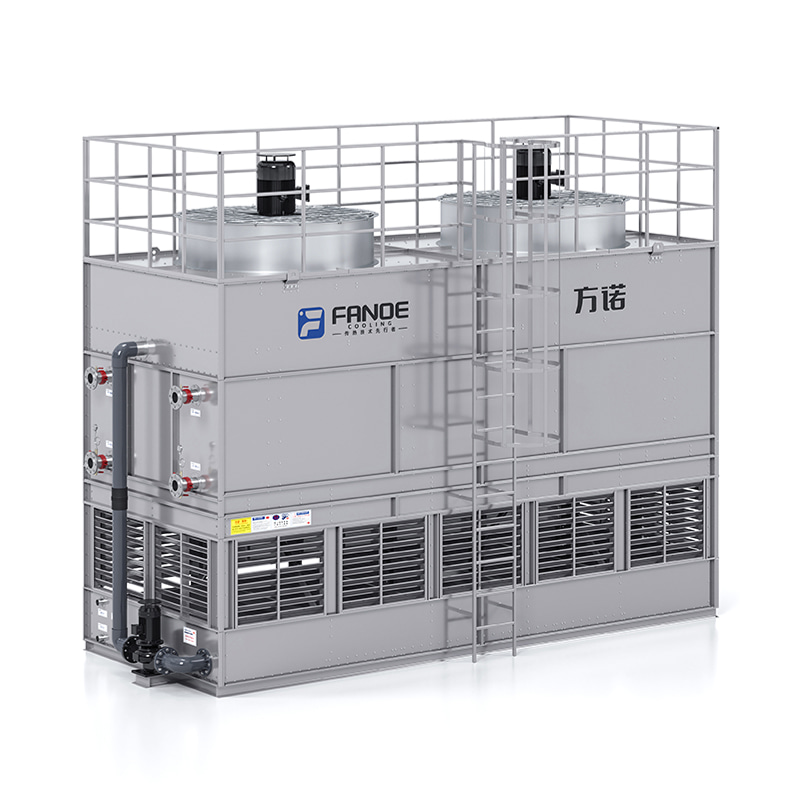 What Is a Closed Type Cooling Tower and When Should You Use One?How a Closed Type Cooling Tower Actually Works A closed type cooling tower — also widely referred to as a closed-circuit cooling tower, closed-loop c...
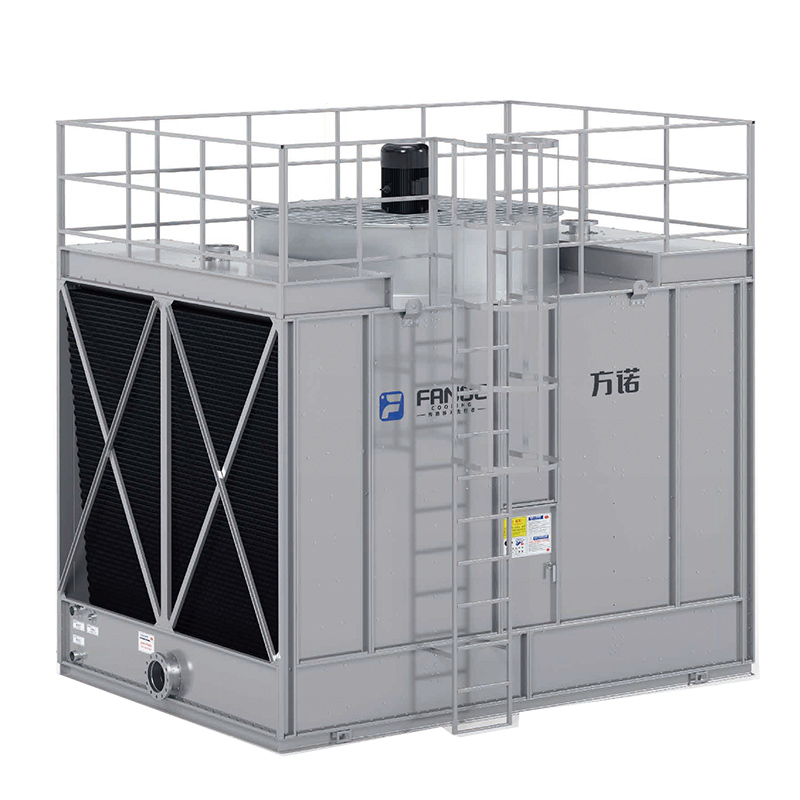 Cooling Tower Guide: Types, How They Work & Selection CriteriaHow a Cooling Tower Actually Works A cooling tower is a heat rejection device that removes waste heat from a process or building system by transferrin...
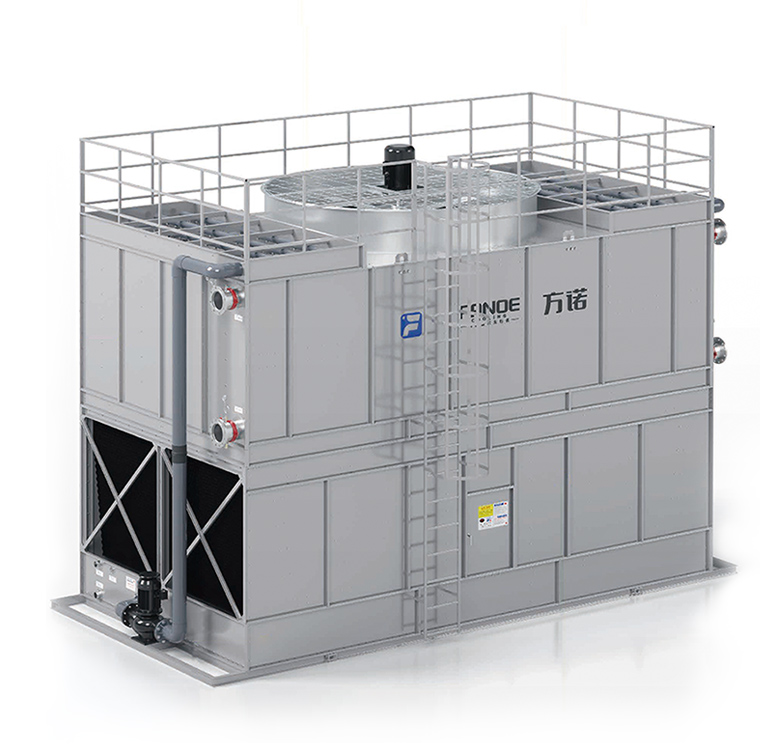 Industrial Cooling Towers: How They Work, Types, and How to Keep Them Running RightWhat Industrial Cooling Towers Do and Why They Matter Industrial cooling towers are large heat rejection systems designed to remove excess thermal en...
 Evaporative Condenser Explained: How It Works, How to Choose One, and How to Keep It RunningWhat Is an Evaporative Condenser and How Does It Work? An evaporative condenser is a heat rejection device that combines the functions of a condenser ...