Understanding the Role of Industrial Cooling Tower Fans
Industrial Cooling Tower Fans are the mechanical heart of heat rejection systems used in power plants, oil refineries, and large manufacturing facilities. Their primary job is to create a powerful airflow that pulls or pushes air through the tower to facilitate evaporative cooling. As hot water from industrial processes is sprayed over the "fill" material inside the tower, these large-diameter fans move massive volumes of air across the water droplets. This contact causes a small portion of the water to evaporate, which significantly lowers the temperature of the remaining water before it is recirculated back into the plant. Without high-performance fans, the cooling process would be inefficient, leading to equipment overheating and reduced production capacity.
Induced Draft vs. Forced Draft Airflow
There are two main ways Industrial Cooling Tower Fans handle airflow. In an "Induced Draft" setup, the fan is located at the top of the tower and pulls air up through the fill. This is the most common configuration for heavy industry because it provides high discharge velocity, preventing the hot, moist air from being recirculated back into the tower. In contrast, "Forced Draft" systems place the fans at the base or the side to push air into the tower. While forced draft fans are easier to access for maintenance, they are more prone to recirculation issues and icing in cold climates, making the induced draft axial fan the preferred choice for high-demand environments.
Material Selection for Performance and Longevity
Because they operate in constant high-humidity and often corrosive environments, the materials used in Industrial Cooling Tower Fans are critical. Traditionally, fan blades were made of aluminum or heavy galvanized steel. However, modern industrial standards have shifted toward Fiber Reinforced Plastic (FRP) and glass-reinforced polyester. These composite materials offer a superior strength-to-weight ratio, allowing for larger blade spans without putting excessive strain on the motor and gearbox. Additionally, FRP blades are naturally resistant to the chemicals and minerals found in cooling water, which prevents the pitting and corrosion that can lead to catastrophic blade failure.
| Blade Material |
Weight Factor |
Corrosion Resistance |
Best Use Case |
| FRP (Composite) |
Lightweight |
Excellent |
Large induced draft towers |
| Aluminum |
Moderate |
Good (if treated) |
Small to medium units |
| Galvanized Steel |
Heavy |
Fair |
Older forced draft designs |

Optimizing Airflow and Energy Efficiency
Energy consumption is one of the largest operating costs for any cooling system. To improve the efficiency of Industrial Cooling Tower Fans, many facilities now use Variable Frequency Drives (VFDs). A VFD allows the fan speed to be adjusted based on the actual cooling load or ambient weather conditions. On cooler days or during low-production shifts, the fan can slow down, saving a massive amount of electricity. Furthermore, the aerodynamic profile of the fan blades—often featuring a twisted "airfoil" design—is engineered to move the maximum amount of air with the least amount of resistance, reducing the brake horsepower required from the motor.
Constructive Tips for Fan Efficiency
- Pitch Angle Adjustment: Ensure blade pitch is set correctly; even a 1-degree error can drastically reduce airflow.
- Tip Clearance: Maintain a tight gap between the fan blade tips and the cylinder wall to prevent air bypass.
- Clean Fill Material: A clogged tower increases static pressure, forcing the fan to work harder for the same result.
- Vibration Monitoring: Use sensors to detect imbalances early to prevent damage to the drive shaft.
Maintenance and Troubleshooting for Large-Scale Fans
The mechanical components of Industrial Cooling Tower Fans, specifically the gearboxes and bearings, operate under high torque and constant moisture. Regular maintenance is essential to avoid unplanned shutdowns. Common issues include oil leaks in the gearbox, which can contaminate the cooling water, and bearing wear caused by fan imbalance. If a fan begins to vibrate excessively, it could indicate that biological growth (algae) or mineral scale has accumulated unevenly on the blades. Cleaning the blades and checking the torque on the hub bolts should be part of every quarterly inspection to ensure the system remains safe and quiet.
In summary, Industrial Cooling Tower Fans are much more than simple propellers. They are precision-engineered components that determine the thermal efficiency of an entire plant. By choosing the right materials, utilizing modern speed controls, and staying ahead of mechanical wear, you can ensure your facility stays cool while keeping energy costs under control.



 Eng
Eng English
 中文简体
中文简体

 What Is an Open Circuit Cooling Tower and How Does It Work?
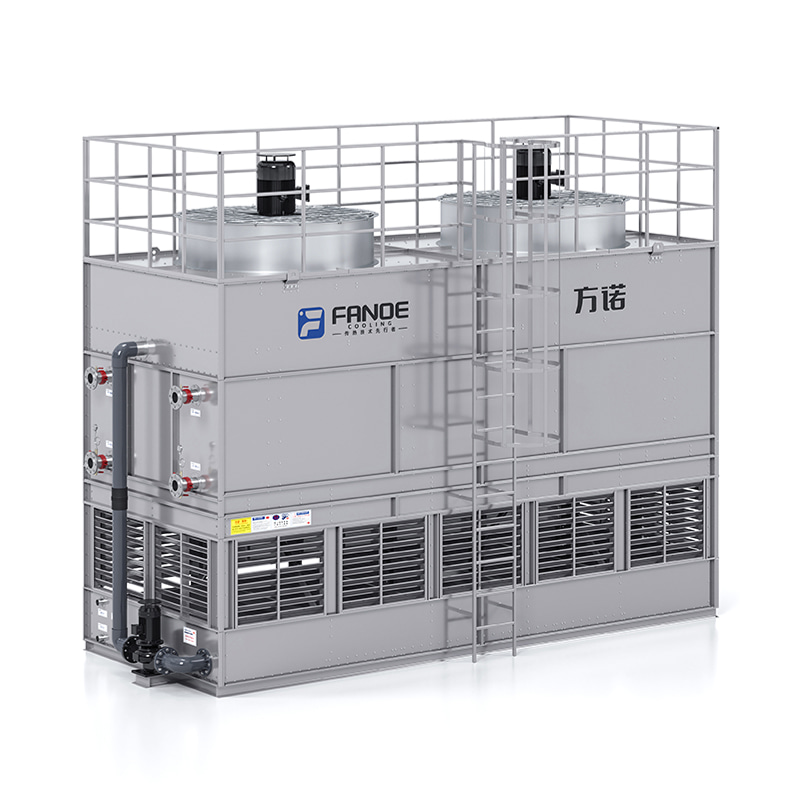 What Is a Closed Type Cooling Tower and When Should You Use One?How a Closed Type Cooling Tower Actually Works A closed type cooling tower — also widely referred to as a closed-circuit cooling tower, closed-loop c...
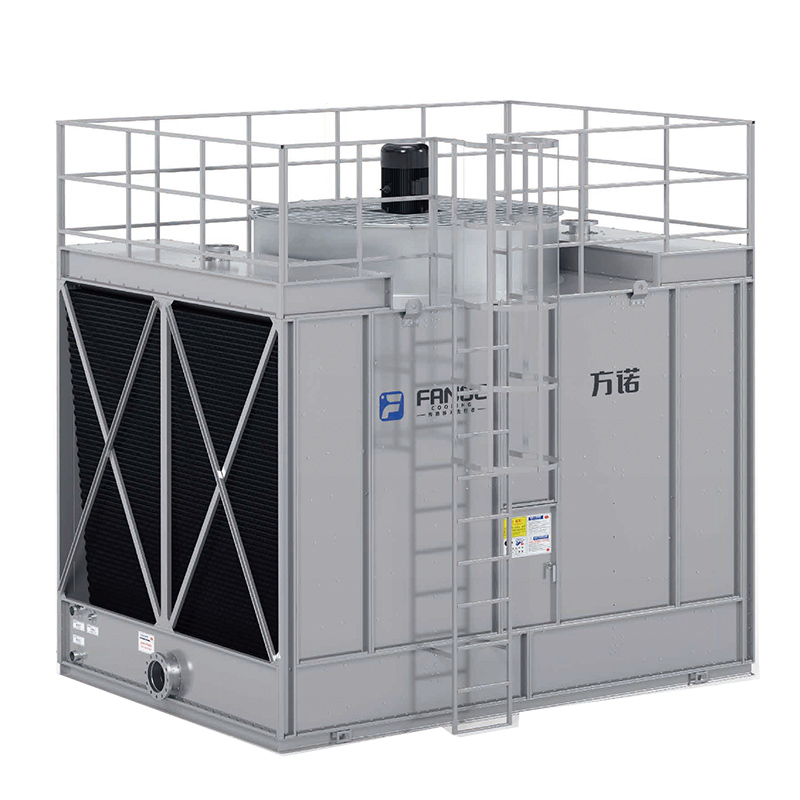 Cooling Tower Guide: Types, How They Work & Selection CriteriaHow a Cooling Tower Actually Works A cooling tower is a heat rejection device that removes waste heat from a process or building system by transferrin...
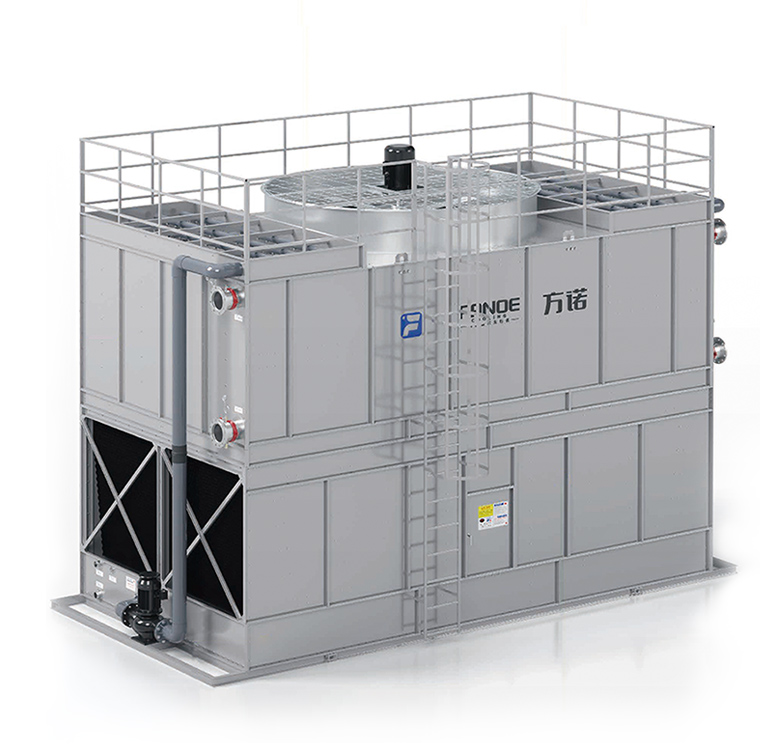 Industrial Cooling Towers: How They Work, Types, and How to Keep Them Running RightWhat Industrial Cooling Towers Do and Why They Matter Industrial cooling towers are large heat rejection systems designed to remove excess thermal en...
 Evaporative Condenser Explained: How It Works, How to Choose One, and How to Keep It RunningWhat Is an Evaporative Condenser and How Does It Work? An evaporative condenser is a heat rejection device that combines the functions of a condenser ...