What Are Cooling Tower Fillers and Why Do They Matter?
Cooling tower fillers — also called cooling tower fill media, cooling tower packing, or simply tower fill — are the heat and mass transfer surfaces installed inside a cooling tower that dramatically increase the contact area and contact time between warm circulating water and the cooling airstream. Without fill media, a cooling tower would rely solely on the small surface area of falling water droplets to exchange heat with passing air — an extremely inefficient process that would require enormous tower volumes to achieve the same cooling output. By spreading the water into thin films or breaking it into a cascade of small droplets across a large structured surface area, cooling tower fillers increase the effective water-air contact area by orders of magnitude, enabling compact tower designs to achieve the thermal performance that industrial, commercial, and HVAC cooling systems demand.
The thermal performance of a cooling tower is fundamentally limited by the efficiency of its fill media. A tower with worn, fouled, scaled, or incorrectly specified fill can lose 30–60% of its rated cooling capacity, resulting in elevated condenser water temperatures that reduce chiller efficiency, increase compressor energy consumption, and in severe cases cause process upsets in industrial applications. Understanding what cooling tower fill media is, how different types work, and how to select, install, and maintain it correctly is essential knowledge for facility managers, HVAC engineers, and cooling system operators responsible for the performance and reliability of water-cooled equipment.
How Cooling Tower Fill Media Works: The Heat Transfer Mechanism
The primary cooling mechanism in an evaporative cooling tower is evaporative heat transfer — the removal of heat from the water by evaporating a small fraction of it into the airstream. When water evaporates, it removes approximately 2,260 kJ of heat per kilogram of water evaporated (the latent heat of vaporization), which is far more effective at cooling than the sensible heat transfer (warming of air) that also occurs simultaneously. Approximately 75–85% of the total heat rejection in a typical cooling tower occurs through evaporation, with the remainder transferred as sensible heat warming the passing air.
Cooling tower fill media maximizes this evaporative heat transfer by creating the conditions for intimate, prolonged water-air contact. Hot circulating water enters the fill zone from above through distribution nozzles that spread the water across the fill surface. The fill media slows the water's descent through the tower, causing it to spread into thin flowing films or to repeatedly break into droplets and re-coalesce, while simultaneously channeling the cooling airstream through the fill in either a cross-flow or counter-flow pattern relative to the water flow. The combined effect of maximized surface area, increased retention time of water in the fill zone, and efficient air distribution across the fill results in the lowest possible leaving water temperature for a given airflow rate, water flow rate, and inlet air wet-bulb temperature.
The Two Main Types of Cooling Tower Fill: Film Fill vs. Splash Fill
All cooling tower fill media falls into one of two fundamental operating categories — film fill and splash fill — based on the mechanism by which water-air contact is created. Each type has a fundamentally different geometry, heat transfer mechanism, and set of operating strengths and limitations.
Film Fill (Sheet Film Packing)
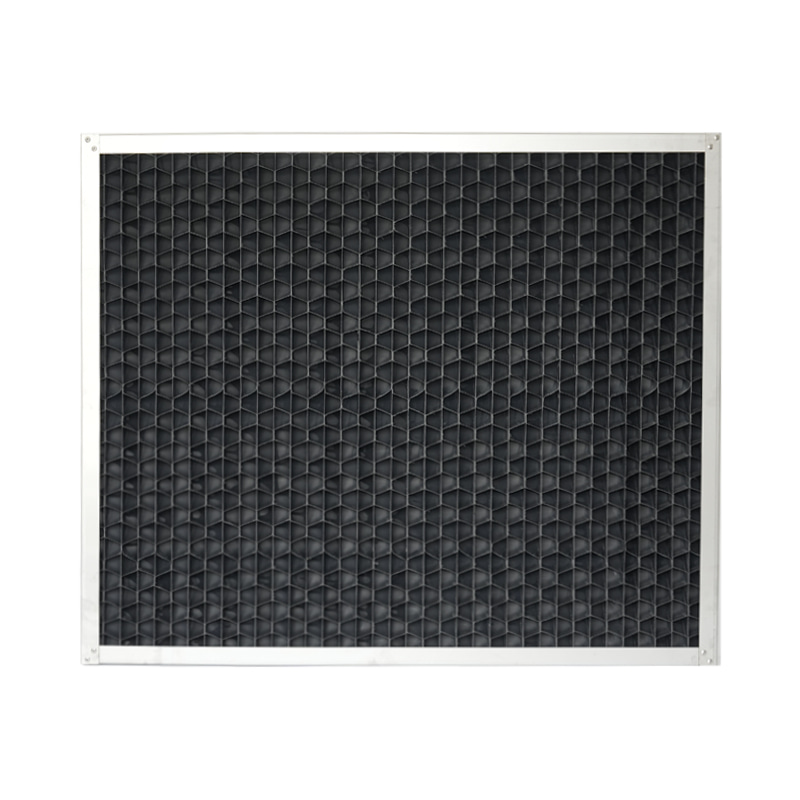
Film fill consists of thin, closely spaced corrugated or embossed plastic sheets — typically vacuum-formed from PVC — assembled into rigid block packs that are installed in the fill zone of the tower. Water flows down the surfaces of these sheets as a thin continuous film, maximizing the water surface exposed to the airstream for a given volume of fill material. Film fill packs achieve very high specific surface area — typically 100–250 m² of water contact surface per cubic meter of fill volume — which gives them exceptional thermal performance per unit of tower volume. This high efficiency allows cooling towers using film fill to be significantly more compact than equivalent towers using splash fill, making film fill the dominant choice for commercial HVAC cooling towers, industrial process cooling systems, and most modern engineered cooling tower designs.
The primary limitation of film fill is its sensitivity to water quality. The narrow channels between fill sheets — typically 6–19mm wide depending on fill type — can become blocked by suspended solids, biological growth, scale deposition, or airborne debris that enters the tower. When fill channels plug, water distribution becomes uneven, dry areas develop within the fill zone where no cooling occurs, and the effective thermal performance of the tower deteriorates rapidly. Film fill therefore demands good water quality management and regular inspection and cleaning to maintain design performance.
Splash Fill (Splash Bar Packing)
Splash fill consists of horizontal bars, grids, or slats installed in layers across the fill zone. As water falls through the tower, it strikes each layer of splash bars, breaks into droplets, and splashes outward before reconverging and striking the next lower layer of bars. This repeated breaking and re-forming of droplets creates water-air contact but does so far less efficiently per unit volume than film fill, because the actual water surface area at any moment is only the surface of the falling droplets rather than a continuous film. Splash fill packs have specific surface areas of 30–75 m² per cubic meter — substantially lower than film fill — and require larger tower footprints or heights to achieve the same cooling duty.
The defining advantage of splash fill is its tolerance for poor water quality. The open structure of splash bar arrays — with individual bar spacings of 50–150mm — allows suspended solids, biological matter, and scale-forming water to pass through without plugging. This makes splash fill the appropriate choice for cooling towers handling heavily contaminated water: industrial process cooling with high suspended solids loads, steel mill and foundry cooling water, mine dewatering cooling, biomass power plant cooling, and any application where the circulating water contains debris, oils, or biological matter that would rapidly foul film fill. Some older municipal wastewater treatment plant cooling systems and food processing cooling circuits also use splash fill specifically for this fouling tolerance.
Film Fill Sub-Types: Cross-Fluted, Vertical, and High-Efficiency Variants
Within the film fill category, several geometric variants are available, each offering a different balance between thermal performance and fouling resistance. Selecting the correct film fill geometry is as important as selecting between film and splash fill, and the wrong choice for the water quality and application can result in premature fouling or unnecessarily large tower sizing.
Cross-Fluted Film Fill
Cross-fluted film fill — also called cross-corrugated or herringbone fill — is the most widely used film fill geometry in commercial cooling towers worldwide. Alternating sheets of PVC are corrugated at opposing angles (typically 45° or 60° to the vertical), so that adjacent sheets create an array of crossing diagonal channels when assembled into a block pack. Water flowing down the fill surface is repeatedly redirected by the crossing flutes, creating turbulence that improves heat and mass transfer relative to a simple straight-channel design. Cross-fluted fill is available in channel spacings from 6mm (high-efficiency, narrow-channel) to 19mm (medium-fouling resistance) to provide a range of performance-versus-fouling-tolerance trade-offs. The 19mm cross-fluted fill is the most common specification for commercial HVAC cooling towers with normal municipal water supplies.
Vertical (Counter-Flow) Film Fill
Vertical film fill — also called S-shaped or sinusoidal fill — consists of vertically corrugated sheets with the corrugation running parallel to the direction of water flow. This geometry creates straight vertical channels that allow water to flow with minimal horizontal redirection, producing lower air pressure drop across the fill than cross-fluted designs. Vertical film fill is used primarily in counter-flow cooling towers where minimizing fan power is a priority, and in applications with moderately contaminated water where the straight channels' self-cleaning tendency provides better fouling resistance than the more tortuous cross-fluted geometry. The thermal performance of vertical fill per unit volume is generally somewhat lower than equivalent cross-fluted fill due to reduced turbulence.
High-Efficiency Narrow-Channel Fill
High-efficiency film fill with channel spacings of 6–10mm achieves maximum surface area per unit volume and delivers the best thermal performance of any commercial fill type — allowing tower footprints to be minimized and fan energy to be reduced for a given cooling duty. However, the very narrow channels are highly susceptible to fouling and are only suitable for systems with excellent water quality — very low turbidity, low total dissolved solids, and effective biological and scale control programs. High-efficiency fill is used in closed-loop cooling systems with softened or reverse osmosis-treated makeup water, in chiller plant cooling towers with rigorous water treatment programs, and in applications where space is severely constrained and premium thermal performance justifies the investment in water quality management.
Cooling Tower Fill Types Compared: Quick Selection Reference
The following table compares the primary cooling tower fill media types across the most important selection criteria, providing a practical starting point for fill type specification.
| Fill Type |
Thermal Efficiency |
Fouling Tolerance |
Pressure Drop |
Typical Application |
| High-efficiency film (6–10mm) |
Excellent |
Low |
High |
Treated clean water, space-constrained HVAC |
| Cross-fluted film (19mm) |
Good |
Moderate |
Moderate |
Commercial HVAC, standard process cooling |
| Vertical film fill |
Moderate–Good |
Moderate–Good |
Low |
Counter-flow towers, low-fan-energy applications |
| Splash fill (bar type) |
Low–Moderate |
Excellent |
Very Low |
Industrial dirty water, high solids, retrofit |
| Trickle fill (grid type) |
Moderate |
Good |
Low–Moderate |
Moderate water quality, hybrid applications |
Materials Used in Cooling Tower Fill Packing
The material from which cooling tower fill is manufactured must withstand continuous water immersion, wide temperature cycling, UV exposure (in naturally ventilated outdoor towers), biological attack, and chemical exposure from water treatment biocides, scale inhibitors, and corrosion inhibitors. The wrong fill material choice for an application's water chemistry and temperature range leads to premature material degradation, structural collapse of fill packs, and costly emergency replacement.
PVC (Polyvinyl Chloride)
PVC is by far the most widely used material for cooling tower film fill, accounting for the vast majority of commercial and industrial fill installations worldwide. It offers excellent resistance to biological attack and to most water treatment chemicals at normal concentrations, is easy to thermoform into complex corrugated sheet geometries, has low water absorption, and is relatively inexpensive. Standard PVC film fill is rated for continuous water temperatures up to approximately 50°C (122°F). For higher-temperature applications — such as direct industrial process cooling where hot water enters the tower above 60°C — standard PVC will soften and deform under its own weight, leading to channel collapse and complete loss of fill structure. Modified PVC or alternative materials must be specified for these applications.
CPVC (Chlorinated Polyvinyl Chloride)
CPVC is a chlorinated variant of PVC with a significantly higher continuous service temperature — typically 80–90°C — making it suitable for cooling towers receiving hot process water that exceeds standard PVC's capability. CPVC fill is also more chemically resistant than standard PVC, particularly to higher concentrations of oxidizing biocides and acidic or alkaline treatment chemicals. The material is more expensive than standard PVC and is specified for premium performance applications where both temperature resistance and chemical resistance are required simultaneously, such as in power plant auxiliary cooling, chemical process cooling, and steam condensate cooling systems.
Polypropylene (PP)
Polypropylene cooling tower fill is used in applications requiring resistance to specific chemicals that attack PVC — particularly aromatic and aliphatic hydrocarbons, strong oxidizing acids, and concentrated bleach solutions. Polypropylene has a service temperature comparable to CPVC and good resistance to most water treatment chemicals. It is less rigid than PVC and CPVC under load at elevated temperatures, so fill block design must account for adequate structural support. PP fill is used in petrochemical cooling towers, solvent manufacturing cooling systems, and applications with aggressive chemical environments that would degrade PVC over time.
Fiberglass (FRP)
Fiber-reinforced plastic (FRP) splash bars and structural fill support grids are used in applications requiring high mechanical strength, resistance to impact, and service temperatures above the capability of thermoplastic films. FRP is not typically used for film fill sheets (which require thin, flexible thermoformed geometries), but is the standard material for heavy-duty splash fill bars in large industrial cooling towers, for fill support beam grids in high-load applications, and for fill retaining frames in towers where structural integrity under ice loading or high water flow rates is critical.
Key Factors for Selecting the Right Cooling Tower Fill
Selecting the correct cooling tower fill media for a specific application requires a systematic evaluation of the water quality, thermal requirements, tower configuration, and maintenance capabilities. Defaulting to a standard commercial fill specification without evaluating these factors is a frequent source of premature fill failure and degraded thermal performance.
- Water quality and suspended solids content: This is the single most important factor in fill type selection. Measure or estimate the suspended solids concentration, turbidity, biological load, and tendency to form scale or biological films in the circulating water. Water with suspended solids above 10 mg/L, significant biological fouling potential (Legionella risk, algae, biofilm-forming organisms), or significant scale-forming tendency (high calcium carbonate saturation index) should not be used with narrow-channel high-efficiency film fill. Use 19mm cross-fluted or vertical film fill with active water treatment, or splash fill for heavily contaminated water.
- Inlet water temperature: Verify that the fill material's rated maximum continuous service temperature exceeds the maximum expected inlet water temperature with adequate margin. Standard PVC fill is appropriate for inlet temperatures up to 50°C. CPVC or PP fill is required for inlet temperatures between 50°C and 80°C. For inlet temperatures above 80°C, specialized high-temperature fill or a pre-cooling stage before the fill zone must be considered.
- Tower airflow configuration (cross-flow vs. counter-flow): The fill geometry must be compatible with the tower's airflow pattern. Counter-flow towers — where air flows vertically upward through the fill while water flows downward — use vertically oriented film fill or splash fill that allows unrestricted vertical air passage. Cross-flow towers — where air enters horizontally through the fill while water falls vertically — use fill oriented to permit horizontal airflow with vertical water flow. Fitting the wrong fill orientation to the tower airflow pattern results in dramatically elevated air pressure drop and severely degraded thermal performance.
- Thermal performance requirements and tower sizing: If an existing tower must be re-rated to handle increased cooling loads without physical expansion, upgrading from splash fill or wide-channel film fill to narrower-channel high-efficiency film fill can increase thermal performance by 20–40% within the existing fill zone volume. Conversely, a new tower designed for challenging water quality should be sized using splash fill thermal performance data rather than high-efficiency film fill data to avoid undersizing based on unachievable efficiency assumptions.
- Fan energy and air pressure drop: The air pressure drop through the fill zone is a primary determinant of cooling tower fan energy consumption. Higher-efficiency, narrow-channel film fill packs impose greater air pressure drop, requiring more fan power per unit of cooling capacity. For large cooling towers where energy cost dominates the lifecycle cost analysis, the incremental energy cost of narrow-channel fill's higher pressure drop may outweigh its thermal performance advantage. Vertical film fill's lower pressure drop makes it preferable in energy-sensitive applications where the thermal performance difference relative to cross-fluted fill is acceptable.
- Fire resistance requirements: Standard PVC film fill is self-extinguishing under most conditions, but cooling tower fill fires — started during maintenance operations (welding, cutting) or by external ignition sources — can cause catastrophic damage to a tower structure. For towers where fire risk is elevated (particularly in industrial sites, data center cooling plants, and rooftop installations on occupied buildings), fire-resistant fill grades with enhanced flame-retardant additive packages should be specified, and hot-work permit procedures must be rigorously enforced around fill installations.
Cooling Tower Fill Fouling: Causes and Prevention
Fill fouling is the most common cause of cooling tower thermal performance degradation and the principal reason for fill replacement. Understanding the mechanisms of fill fouling and implementing effective prevention strategies extends fill service life, reduces cleaning frequency, and maintains cooling system efficiency throughout the fill's operational lifespan.
Scale Deposition
Calcium carbonate and calcium sulfate scale deposited on fill surfaces is the most prevalent form of mineral fouling in cooling tower fill. As water evaporates in the cooling tower, the mineral concentration of the remaining circulating water increases — a process measured by the cycles of concentration (COC) relative to the makeup water. When the solubility limits of calcium carbonate or sulfate are exceeded, mineral crystals precipitate preferentially on fill surfaces where nucleation sites exist (surface roughness, biofilm, existing mineral deposits). Light scale deposits reduce effective channel width, increasing pressure drop. Heavy scale deposits can completely bridge fill channels, causing water maldistribution and areas of zero cooling. Scale control is managed through pH control (maintaining slightly acidic pH suppresses carbonate precipitation), antiscalant dosing, and controlling cycles of concentration through blowdown.
Biological Fouling and Biofilm
Cooling tower fill surfaces — warm, wet, nutrient-exposed, and with moderate light in cross-flow towers — are ideal environments for bacterial biofilm development, algae growth (in light-exposed areas), and sessile microbial communities. Biofilm on fill surfaces increases hydraulic resistance, provides a matrix that traps suspended solids and promotes scale deposition, and — critically — is the primary habitat for Legionella pneumophila, the causative organism of Legionnaires' disease. Active biological control through regular biocide dosing (oxidizing biocides such as chlorine or bromine, supplemented with non-oxidizing biocides for biofilm penetration), coupled with physical cleaning of fill at scheduled intervals, is both a performance necessity and a public health regulatory requirement in most jurisdictions. Regular Legionella risk assessments and microbiological sampling of cooling tower water are mandatory in many countries and are best-practice recommendations globally.
Suspended Solids and Debris Fouling
Airborne dust, pollen, leaves, and particulate matter drawn into the tower basin and carried into the fill zone by the circulating water will accumulate in fill channels, particularly in the lower sections of the fill pack. Silt and suspended solids from the makeup water supply — poorly treated municipal water, river water, or groundwater with high turbidity — add to this particulate load. Prevention requires effective basin cleaning schedules, installation of basin sweeper jets or filtration systems (side-stream filtration, basin sand filters) to remove particulates from the circulating water before they reach the fill, and appropriate strainer protection on the pump suction line. For towers in high-particulate environments (near construction sites, agricultural areas, or industrial operations), more frequent fill inspection and cleaning intervals are essential.
Cleaning and Maintaining Cooling Tower Fill Media
Regular inspection and systematic maintenance of cooling tower fill packing is essential for sustaining thermal performance, preventing Legionella risk, and maximizing fill service life. A structured maintenance program tailored to the fill type, water quality, and seasonal operating conditions is far more cost-effective than reactive replacement after performance has already deteriorated significantly.
- Regular visual inspection: Inspect fill blocks at minimum quarterly (or after any unusual operating event such as a process upset, water treatment failure, or extreme weather event) for signs of fouling, channeling, deformation, sagging, or structural damage. Early detection of fouling allows low-cost cleaning interventions before fouling becomes severe enough to require fill replacement. Note any areas of dry fill (indicating water maldistribution from blocked nozzles or failed distribution laterals) that need to be corrected to prevent fill deformation under one-sided thermal stress.
- High-pressure water washing: Light to moderate deposits of scale, biological matter, and suspended solids can be removed from film fill channels by high-pressure washing with clean water — typically at 70–100 bar using a lance inserted into the fill channels from the top. Work systematically across the fill surface to ensure all channels are treated. Excessive pressure or incorrect nozzle angle can damage PVC fill sheets, so follow fill manufacturer pressure and technique recommendations. Dislodged deposits must be flushed from the basin immediately to prevent recirculation onto clean fill.
- Chemical cleaning: Scale deposits that resist high-pressure water washing can be dissolved by circulation of dilute acid (typically 5–10% citric acid or hydrochloric acid solution) through the tower system while the tower is offline. The acid solution is circulated for 4–8 hours, then flushed with clean water and neutralized before resuming normal operation. Chemical cleaning should only be carried out after confirming that the fill material and tower structure components (basin, casing, distribution headers) are compatible with the cleaning chemical. Biological fouling and biofilm is addressed by shock biocide dosing (super-chlorination at 5–10 ppm free chlorine) combined with physical cleaning, as chemical biocides alone cannot reliably penetrate established thick biofilms without physical disruption.
- Assessing fill for replacement: Fill that has suffered permanent deformation (sagging, collapsed channels, warped sheets), severe scaling that cannot be removed by washing, brittle UV degradation of PVC, or significant structural damage from biological attack (in rare cases where organisms mechanically degrade the fill material) should be replaced rather than cleaned. Continued operation with severely deteriorated fill not only degrades thermal performance but creates uneven water distribution patterns and potential basin flooding from blocked fill sections. When replacing fill, take the opportunity to evaluate whether upgrading to a different fill type or geometry better suits the current water quality and operating conditions.
Replacing Cooling Tower Fill: What to Consider Before You Order
Cooling tower fill replacement is a significant maintenance investment, and the replacement specification decision has long-term consequences for cooling system performance, maintenance frequency, and operational cost. Several important considerations should be addressed before ordering replacement fill to avoid common specification errors.
Verify Fill Zone Dimensions and Pack Configuration
Accurately measure the fill zone dimensions — length, width, and depth of the fill bed — and the pack block dimensions used in the existing installation before ordering replacement fill. Fill blocks are manufactured in standard sizes (commonly 600mm × 300mm × 300mm or 600mm × 600mm × 300mm) that must fit the tower's internal structural supports. If the existing fill blocks have deformed or their original dimensions are unclear, contact the tower manufacturer or a qualified cooling tower service company to confirm the correct fill block dimensions for your specific tower model.
Evaluate Whether to Upgrade Fill Type
Fill replacement is the right time to reconsider whether the original fill specification remains optimal for current operating conditions, which may have changed since the tower was originally installed. If water quality has improved due to upgraded water treatment equipment, it may be possible to upgrade from 19mm cross-fluted fill to 12mm or 10mm high-efficiency fill, gaining 15–25% additional thermal capacity from the same tower footprint. Conversely, if water quality has deteriorated (e.g., due to switching to a lower-quality makeup water source or expanded industrial use), downgrading to wider-channel fill or splash fill may be necessary to achieve acceptable service life.
Check Fill Support Structure Condition
Before installing new fill packs, thoroughly inspect the fill support beam grid, fill retaining frames, and structural connections within the fill zone. Fill support grids that have corroded, cracked, or deflected must be repaired or replaced before new fill is loaded, as a compromised support structure will allow fill packs to sag or collapse under the combined weight of fill material and water. Also inspect the water distribution system — nozzles, headers, and lateral pipes — and replace any clogged or missing nozzles before loading new fill, as uneven water distribution from a faulty distribution system will create hot spots in the new fill that accelerate fouling and localized deformation.
Source Fill from Reputable Manufacturers
Cooling tower fill quality varies significantly between manufacturers and between economy and performance product grades. Substandard PVC fill made from recycled or off-specification resin may have inconsistent wall thickness, poor weld quality at sheet joints, insufficient UV stabilizer content for outdoor installations, and inadequate flame retardant loading. These quality deficiencies may not be apparent at installation but manifest as premature brittleness, channel collapse under water load, or accelerated scale adhesion within one to two seasons of service. Request material certifications, UV resistance test data, and thermal performance transfer characteristics (the NTU or KaV/L data used in cooling tower thermal modeling) from suppliers, and compare these against tower manufacturer specifications to confirm compatibility and performance claims.



 Eng
Eng English
 中文简体
中文简体

 What Is an Open Circuit Cooling Tower and How Does It Work?
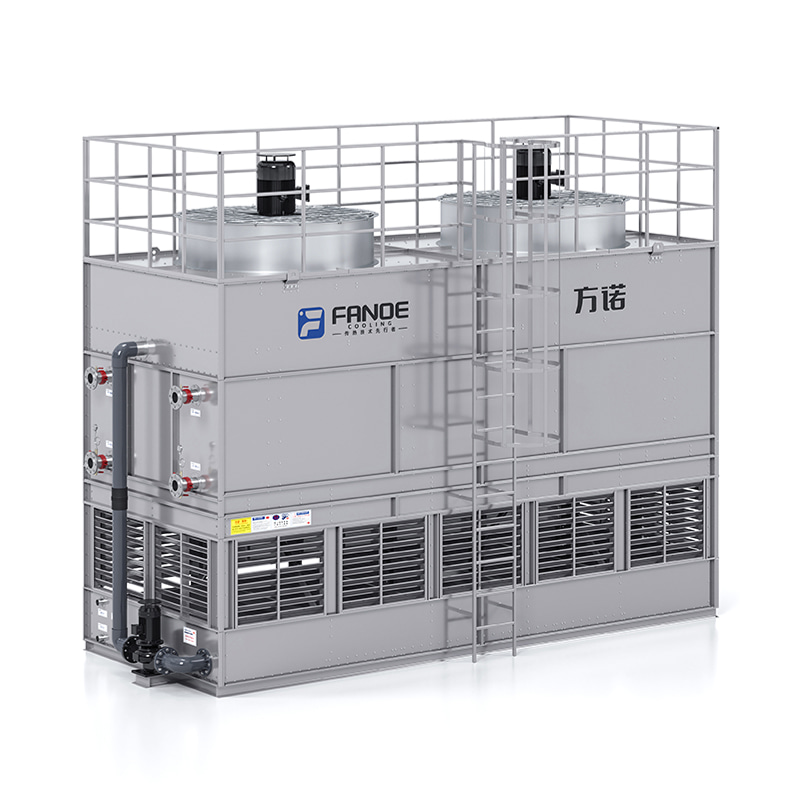 What Is a Closed Type Cooling Tower and When Should You Use One?How a Closed Type Cooling Tower Actually Works A closed type cooling tower — also widely referred to as a closed-circuit cooling tower, closed-loop c...
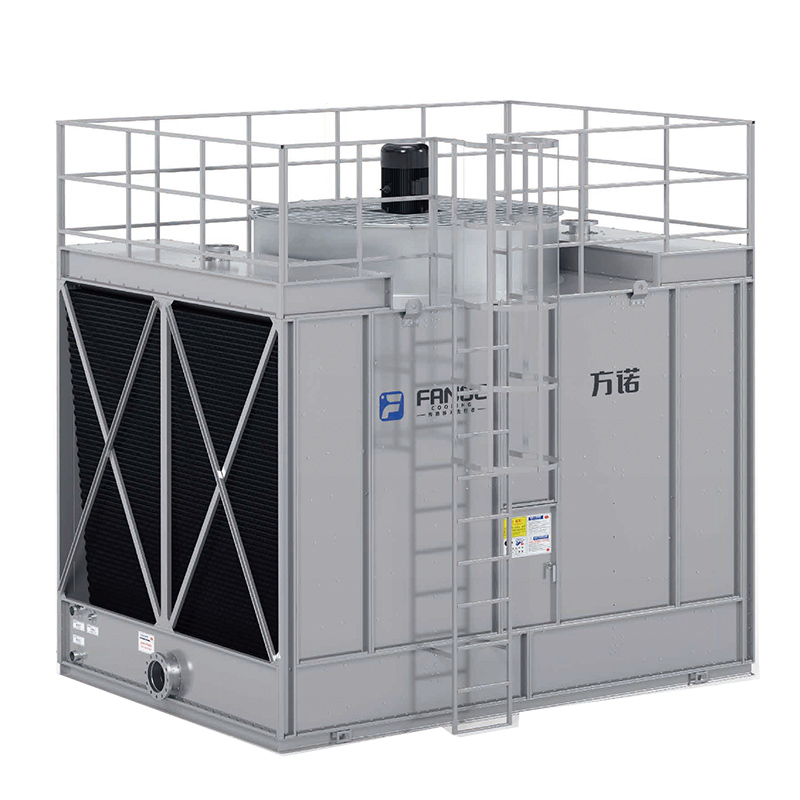 Cooling Tower Guide: Types, How They Work & Selection CriteriaHow a Cooling Tower Actually Works A cooling tower is a heat rejection device that removes waste heat from a process or building system by transferrin...
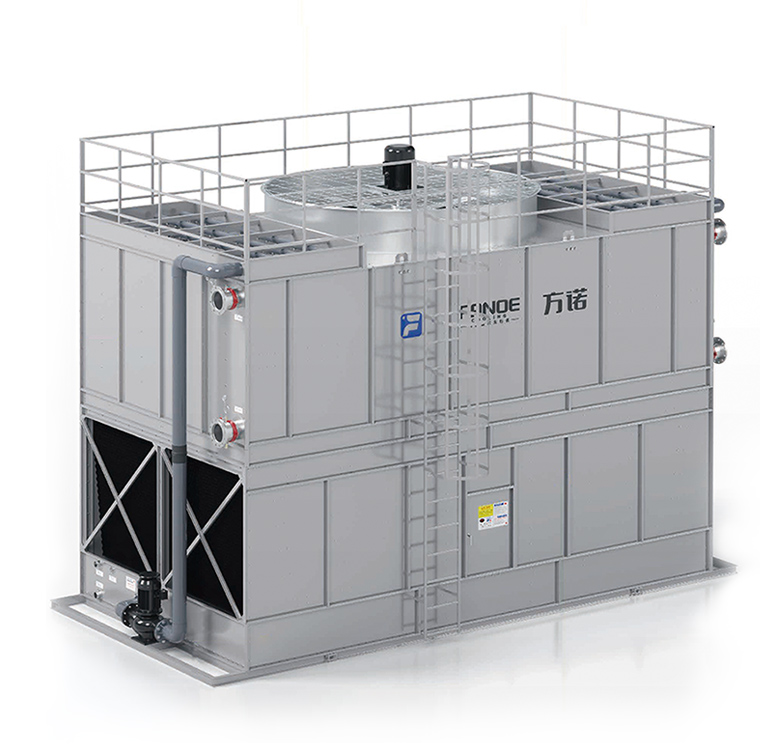 Industrial Cooling Towers: How They Work, Types, and How to Keep Them Running RightWhat Industrial Cooling Towers Do and Why They Matter Industrial cooling towers are large heat rejection systems designed to remove excess thermal en...
 Evaporative Condenser Explained: How It Works, How to Choose One, and How to Keep It RunningWhat Is an Evaporative Condenser and How Does It Work? An evaporative condenser is a heat rejection device that combines the functions of a condenser ...