The modern industrial landscape demands increasingly efficient and reliable thermal management solutions. Among the various types of cooling equipment, the Compound Flow Closed Cooling Tower represents a significant advancement, combining the best features of counterflow and cross-flow designs within a closed-loop system. This configuration offers superior performance, water conservation, and system protection, making it an ideal choice for diverse applications, from HVAC and power generation to chemical processing.
Design and Operational Principle
A standard cooling tower works by evaporating a small fraction of the circulating water to cool the rest. However, the Compound Flow Closed Cooling Tower operates on a fundamentally different, more protected principle. It features two primary working fluid circuits:
- The Primary Closed Circuit: The process fluid (typically clean water or a glycol mixture) to be cooled circulates within a heat exchange coil (the “closed” part of the system). This fluid never contacts the outside air, preventing contamination and scale buildup within the process equipment it serves.
- The Secondary Evaporative Circuit: External spray water is continuously circulated over the exterior of the coil, absorbing the heat. Ambient air is drawn into the tower, where a small amount of the spray water evaporates, rejecting the absorbed heat to the atmosphere.
The “Compound Flow” designation refers to the unique combination of airflow and water flow patterns. While specific designs can vary, the compound flow arrangement often involves elements where:
- The airflow is predominantly cross-flow over the spray water section, offering lower fan power and easier maintenance access.
- The airflow is predominantly counterflow relative to the heat exchange coil, which maximizes the heat transfer efficiency where the hot process fluid and the coolest air meet.
This blended design capitalizes on the benefits of both flow types, resulting in a compact footprint and high thermal performance.
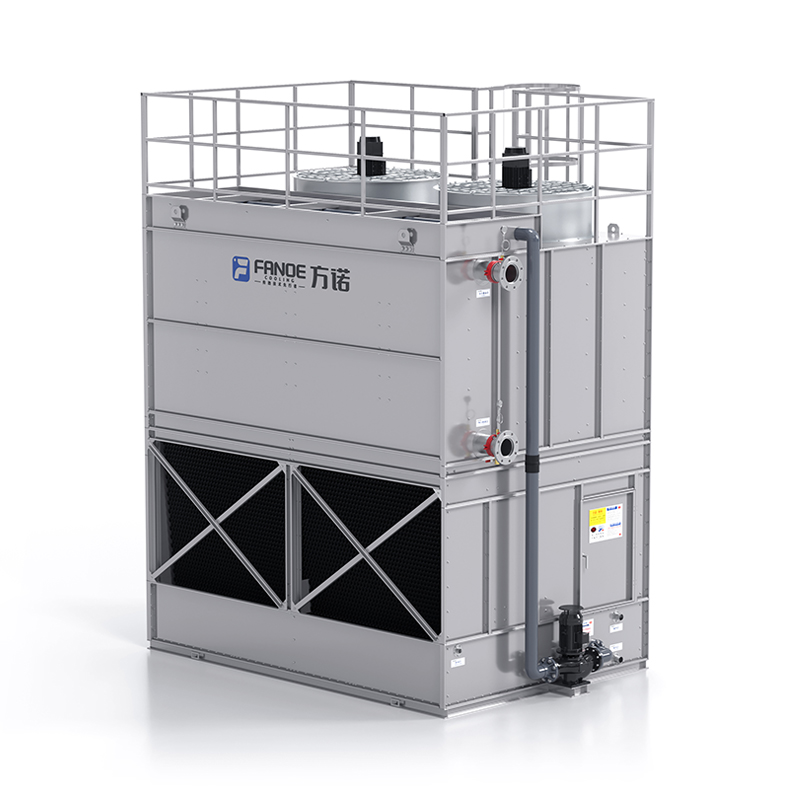
Key Advantages of Closed-Loop Compound Flow
The closed-loop nature of the Compound Flow Closed Cooling Tower system is its most compelling feature, offering several operational and economic benefits over traditional open-circuit towers:
- Process Fluid Protection: Since the process fluid is entirely contained within the coil, it is protected from atmospheric contaminants, dust, and debris. This dramatically reduces fouling, corrosion, and biological growth (like Legionella) in the critical downstream equipment (e.g., chillers, induction furnaces), extending their lifespan and maintaining high efficiency.
- Reduced Water Treatment Costs: Only the secondary spray water requires treatment. Since the primary process fluid remains clean, expensive chemical treatment and filtration for the entire loop can be significantly reduced or eliminated.
- Flexibility and Antifreeze Use: The closed circuit allows for the use of glycol or other antifreeze solutions, making the unit suitable for applications in freezing climates without the risk of coil damage.
- Energy Efficiency: The compound flow design, with its optimized air and water contact, often achieves a lower approach temperature (the difference between the leaving water temperature and the entering air wet-bulb temperature) compared to simple cross-flow or counterflow designs, leading to greater cooling efficiency and reduced operating costs.
Applications and Future Outlook
The exceptional performance and protective features of the Compound Flow Closed Cooling Tower make it the preferred choice for applications where water quality and system reliability are paramount. Common installations include:
- Data Centers: For reliable, contamination-free cooling of server rooms.
- Induction Furnaces and Casting: Where clean cooling water is vital for process stability and equipment longevity.
- Power Generation: For closed-loop cooling of turbine lubricating oil and jacket water.
- Chemical and Pharmaceutical Manufacturing: Where strict control over process fluid purity is necessary.
As industries continue to prioritize sustainability and operational uptime, the demand for sophisticated, water-saving technologies like the Compound Flow Closed Cooling Tower will only increase. Its ability to deliver high-performance cooling while protecting valuable equipment and conserving water solidifies its position as a cornerstone of modern industrial thermal management.



 Eng
Eng English
 中文简体
中文简体

 What Is an Open Circuit Cooling Tower and How Does It Work?
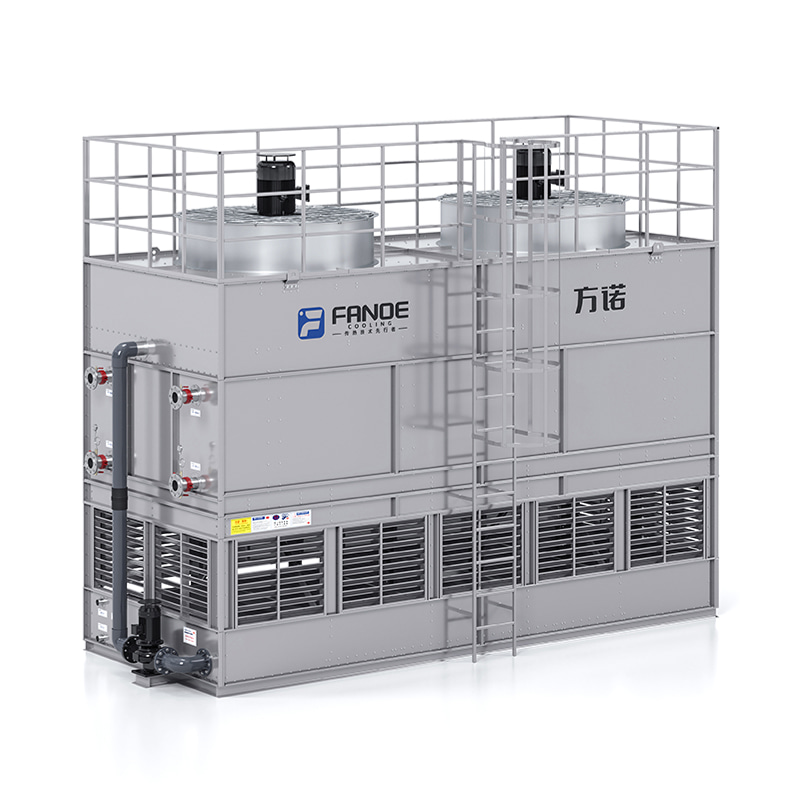 What Is a Closed Type Cooling Tower and When Should You Use One?How a Closed Type Cooling Tower Actually Works A closed type cooling tower — also widely referred to as a closed-circuit cooling tower, closed-loop c...
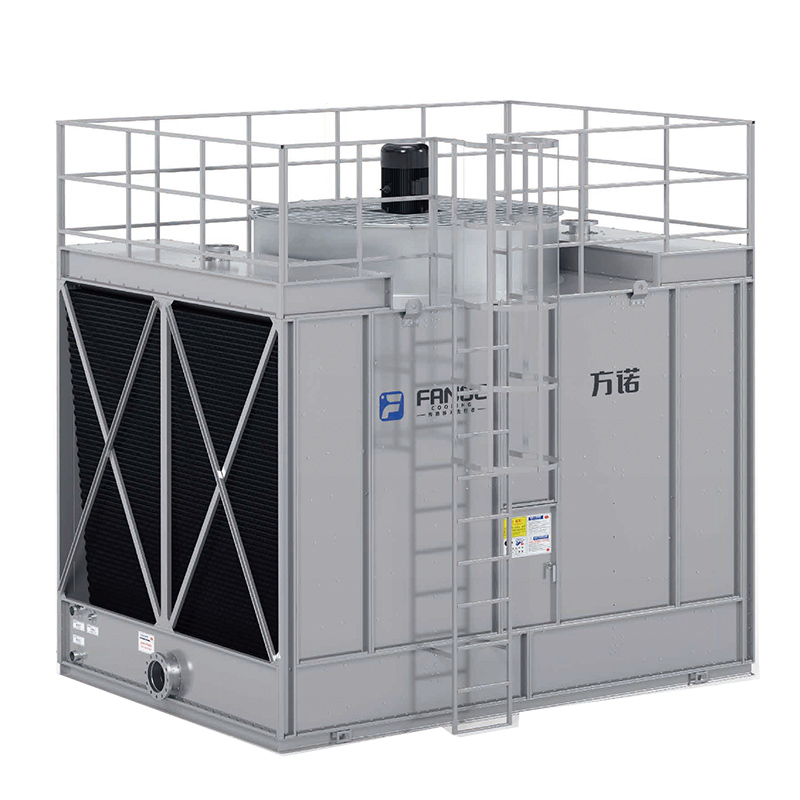 Cooling Tower Guide: Types, How They Work & Selection CriteriaHow a Cooling Tower Actually Works A cooling tower is a heat rejection device that removes waste heat from a process or building system by transferrin...
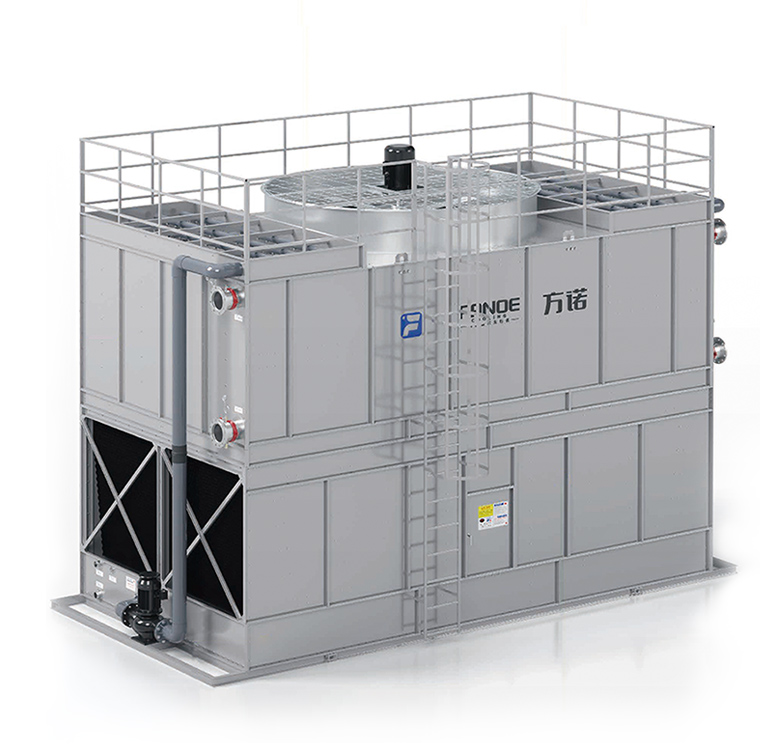 Industrial Cooling Towers: How They Work, Types, and How to Keep Them Running RightWhat Industrial Cooling Towers Do and Why They Matter Industrial cooling towers are large heat rejection systems designed to remove excess thermal en...
 Evaporative Condenser Explained: How It Works, How to Choose One, and How to Keep It RunningWhat Is an Evaporative Condenser and How Does It Work? An evaporative condenser is a heat rejection device that combines the functions of a condenser ...