Open Cooling Towers are indispensable components in a vast range of industrial, commercial, and HVAC (Heating, Ventilation, and Air Conditioning) systems. Their primary function is to reject waste heat into the atmosphere through the cooling of a recirculating water stream. This process is fundamental to maintaining the efficiency and operational stability of many critical pieces of equipment, from power generators to large-scale refrigeration units.
The Mechanism of Evaporative Cooling
The operation of Open Cooling Towers relies on the principle of evaporative cooling. Warm water from the process (e.g., a chiller condenser or industrial machinery) is pumped to the top of the tower and distributed across a specialized material known as fill. The fill material increases the contact surface area and time between the hot water and the ambient air.
As the water trickles down, a fan draws or forces air through the tower, causing a small portion of the water to evaporate. This phase change (liquid to vapor) requires a significant amount of energy, which is drawn from the remaining body of water, thus lowering its temperature dramatically. The cooled water is then collected in a basin at the bottom of the tower and returned to the system to absorb more heat, completing the cycle.
Key Components of Open Cooling Towers
While designs vary, all Open Cooling Towers share several essential components:
- Structure/Casing: Provides the physical housing for the tower, often made of fiberglass, galvanized steel, or concrete.
- Fill Media: The material (e.g., PVC) designed to maximize the contact surface area and time between air and water. It can be splash fill (breaking the water into droplets) or film fill (spreading the water into a thin layer).
- Drift Eliminators: Devices installed near the air outlet to capture large water droplets entrained in the airflow, minimizing water loss (drift) and preventing damage to surrounding structures.
- Fan: Used to induce or force airflow through the tower. Towers are generally categorized as induced draft (fan on top) or forced draft (fan on bottom).
- Water Distribution System: Sprays or nozzles that evenly distribute the hot water over the fill media.
- Cold Water Basin: Collects the cooled water before it is returned to the process.
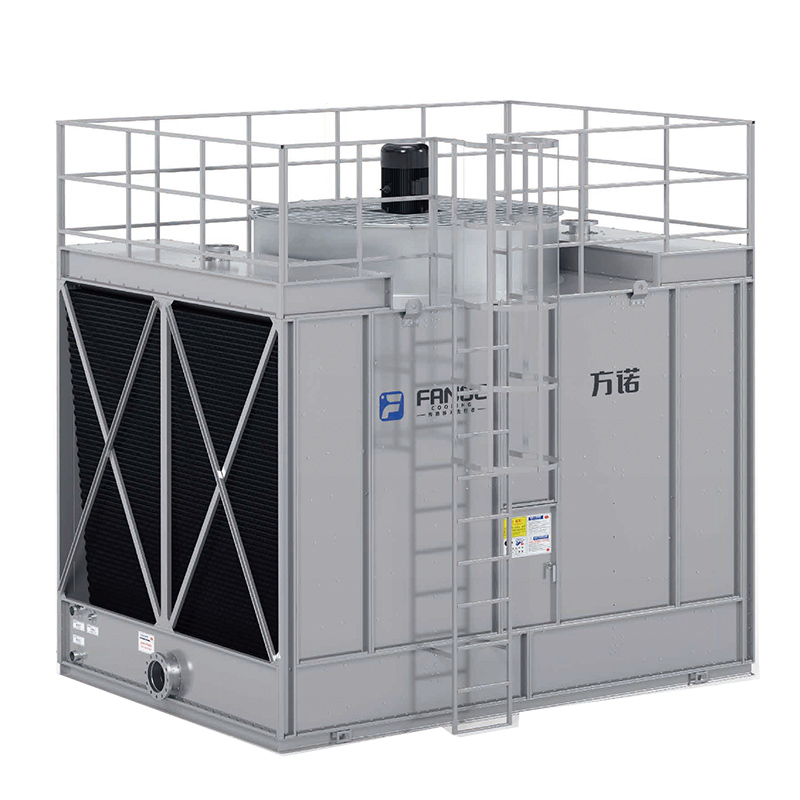
Advantages and Considerations for Open Cooling Towers
Advantages
The primary benefit of Open Cooling Towers is their high thermal efficiency. Evaporative cooling allows the water to be cooled to a temperature approaching the ambient air’s wet-bulb temperature, which is significantly lower than the dry-bulb temperature achievable by air-cooled systems. This low cooling temperature translates directly into improved efficiency and reduced energy consumption for the equipment they serve. They also tend to have a lower initial capital cost compared to closed-circuit alternatives.
Operational Considerations
While highly efficient, the open design introduces operational challenges:
- Water Treatment: Since the water is open to the atmosphere, it is susceptible to contamination from dust, debris, and microorganisms. Effective water treatment is crucial to prevent scaling, corrosion, and biological growth, such as Legionella bacteria, which poses a significant health risk.
- Water Consumption (Evaporation and Blowdown): Water is continuously lost through evaporation and “blowdown” (the intentional draining of a portion of the water to control the concentration of dissolved solids).
- Maintenance: Regular inspection and cleaning of the fill, nozzles, and basin are required to maintain optimal heat transfer efficiency.
Applications Across Industries
Open Cooling Towers are the workhorse of industrial cooling due to their effectiveness and economic viability. They are found in:
- Power Plants: Cooling the condenser water in steam turbines.
- Chemical and Petrochemical Facilities: Cooling reactor vessels and process streams.
- Manufacturing: Cooling furnaces, compressors, and hydraulic equipment.
- Large Commercial Buildings (HVAC): Providing condenser water for large chillers used in air conditioning systems.
The continued innovation in materials, fan technology, and water treatment strategies ensures that Open Cooling Towers will remain an essential and efficient solution for managing waste heat for the foreseeable future.



 Eng
Eng English
 中文简体
中文简体

 What Is an Open Circuit Cooling Tower and How Does It Work?
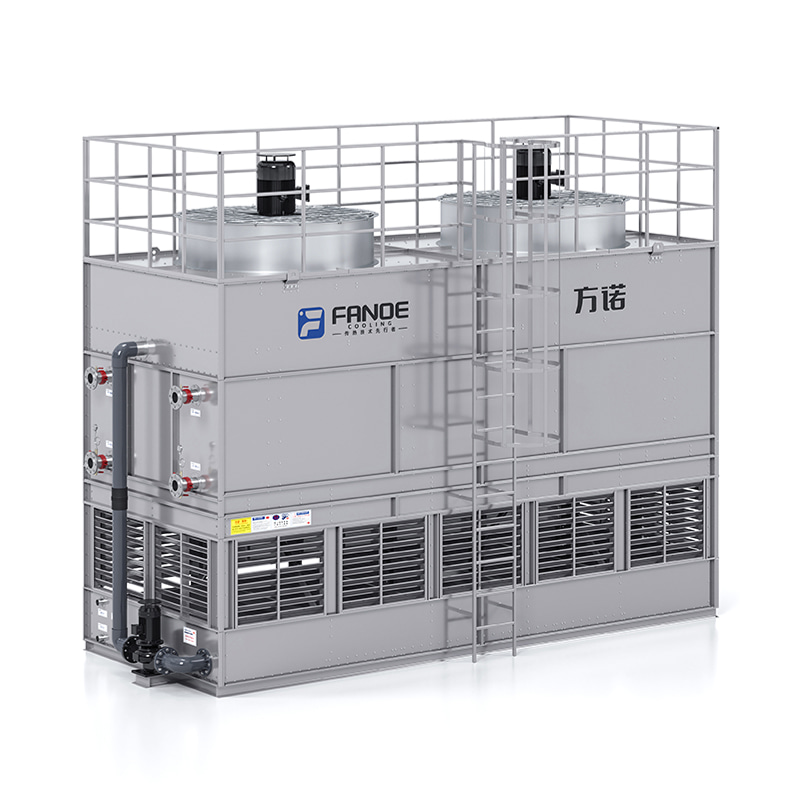 What Is a Closed Type Cooling Tower and When Should You Use One?How a Closed Type Cooling Tower Actually Works A closed type cooling tower — also widely referred to as a closed-circuit cooling tower, closed-loop c...
 Cooling Tower Guide: Types, How They Work & Selection CriteriaHow a Cooling Tower Actually Works A cooling tower is a heat rejection device that removes waste heat from a process or building system by transferrin...
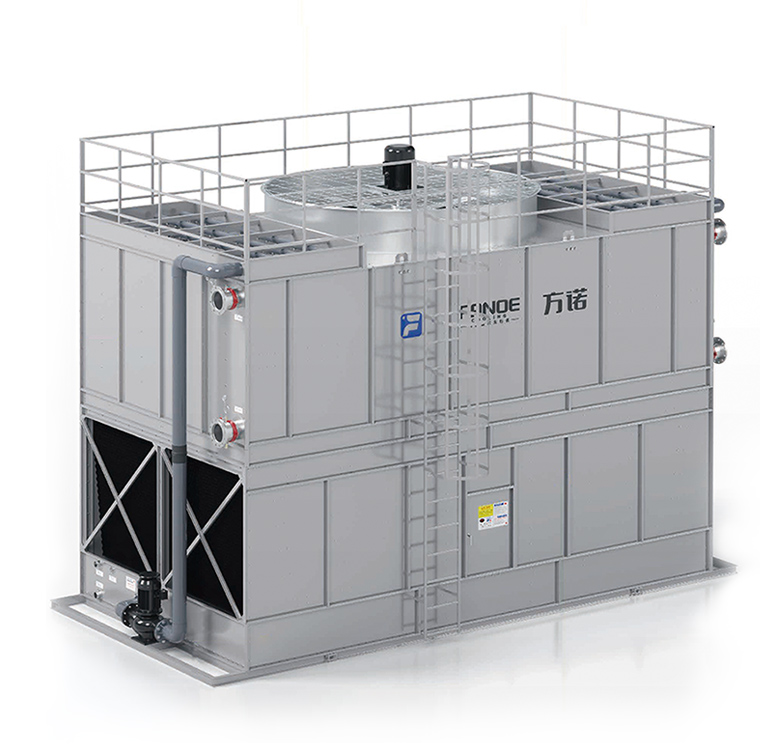 Industrial Cooling Towers: How They Work, Types, and How to Keep Them Running RightWhat Industrial Cooling Towers Do and Why They Matter Industrial cooling towers are large heat rejection systems designed to remove excess thermal en...
 Evaporative Condenser Explained: How It Works, How to Choose One, and How to Keep It RunningWhat Is an Evaporative Condenser and How Does It Work? An evaporative condenser is a heat rejection device that combines the functions of a condenser ...