The Essential Role of Cooling in Industry
In the modern world, almost every industrial process generates heat. Whether it’s the churning turbines of a power plant, the powerful machinery in a manufacturing facility, or the vast refrigeration systems in a chemical plant, that excess heat needs to be removed efficiently. If left unchecked, this heat can lead to equipment failure, reduced operational efficiency, and even dangerous conditions. This is where cooling towers come into play—the unsung heroes of thermal management.
A cooling tower’s primary job is to reject waste heat to the atmosphere. It does this by using a small volume of water to transfer a large amount of heat. This principle relies on evaporation, a highly effective cooling method because it takes a significant amount of energy (heat) to change water from a liquid to a gas.
Unpacking the Mechanism: How Cooling Towers Work
There are several types of cooling towers, but one of the most common and essential designs is the Counter-current Open Cooling Tower. To understand its effectiveness, we first need to break down its name:
The “Open” Aspect
The “open” part of the name simply means the water being cooled is directly exposed to the ambient air. It is the same water that gets pumped through the plant’s heat exchangers to pick up the waste heat. This is known as a direct contact system. The air and water physically mix within the tower.
The “Counter-current” Principle
This is the key to its efficiency. Counter-current refers to the relative direction of the water flow and the airflow inside the tower.
- Hot Water In: The hot water from the industrial process is sprayed downwards from the top of the tower.
- Cool Air In: The ambient air is drawn upwards from the bottom of the tower, moving in the opposite direction (counter) to the water.
This counter-current arrangement ensures that the coolest water (at the bottom) is constantly in contact with the coolest, driest air (which is just entering the tower), and the hottest water (at the top) is meeting the warmest, most humid air (which is about to exit). This maximizes the temperature difference across the entire exchange path, leading to the most effective and efficient heat transfer possible for a given tower size.
Inside the Tower: The Mechanics of Heat Transfer
The Role of Fill Material
To ensure maximum surface area for the air and water to interact, the interior of the Counter-current Open Cooling Tower is packed with material known as fill. This fill is typically made of plastic or wood and serves two main purposes:
- Breaking up Water: The fill causes the descending water to break into tiny droplets or thin films, exposing a massive surface area to the air.
- Slowing Water Down: It increases the contact time between the air and water, allowing more heat transfer to occur.

The Power of Evaporation
As the rising air meets the water droplets, a small amount of water evaporates (typically about 1-2% of the total flow). This phase change requires a large amount of energy, and that energy is taken directly from the remaining water, causing the bulk of the water to cool down significantly. This cooled water is then collected in a basin at the bottom of the tower and is ready to be pumped back into the facility to absorb more waste heat.
The air, now saturated with the evaporated water and laden with waste heat, is exhausted through the top of the tower, often visible as a large plume of harmless white steam or water vapor.
Why Counter-current Towers Reign Supreme
The Counter-current Open Cooling Tower design is favored for many applications due to its simplicity of operation and high thermal efficiency.
- Space Saving: Because the air travels vertically, these towers often require less plan area than cross-flow designs (where air flows horizontally).
- Optimal Performance: The counter-current principle provides superior heat transfer capabilities compared to co-current or cross-flow designs under the same conditions.
In essence, these towers are critical pieces of infrastructure that allow industry to operate continuously and efficiently, managing the pervasive challenge of waste heat one drop of cooling water at a time.



 Eng
Eng English
 中文简体
中文简体

 What Is an Open Circuit Cooling Tower and How Does It Work?
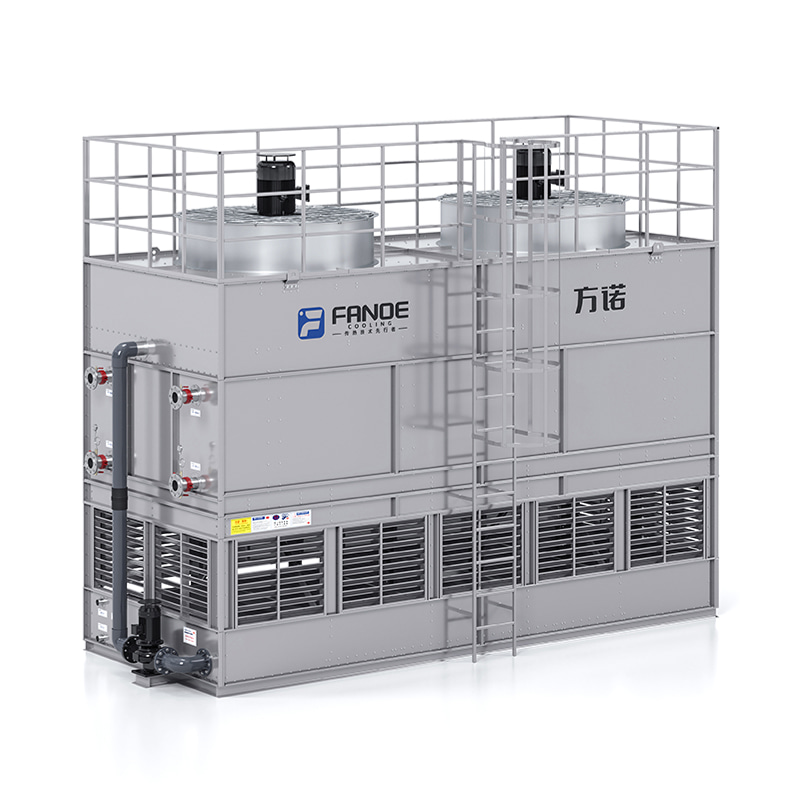 What Is a Closed Type Cooling Tower and When Should You Use One?How a Closed Type Cooling Tower Actually Works A closed type cooling tower — also widely referred to as a closed-circuit cooling tower, closed-loop c...
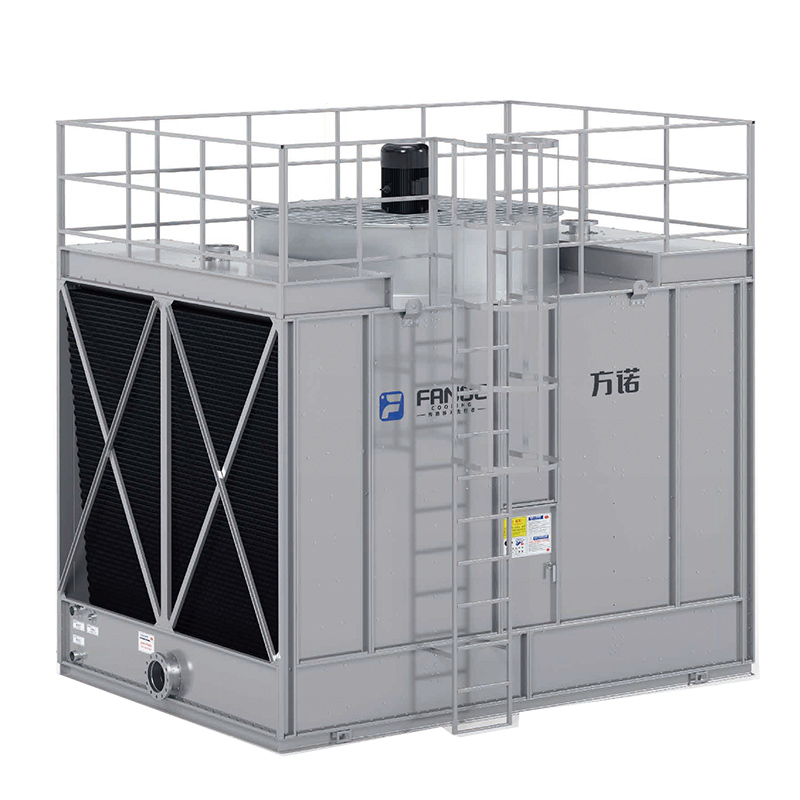 Cooling Tower Guide: Types, How They Work & Selection CriteriaHow a Cooling Tower Actually Works A cooling tower is a heat rejection device that removes waste heat from a process or building system by transferrin...
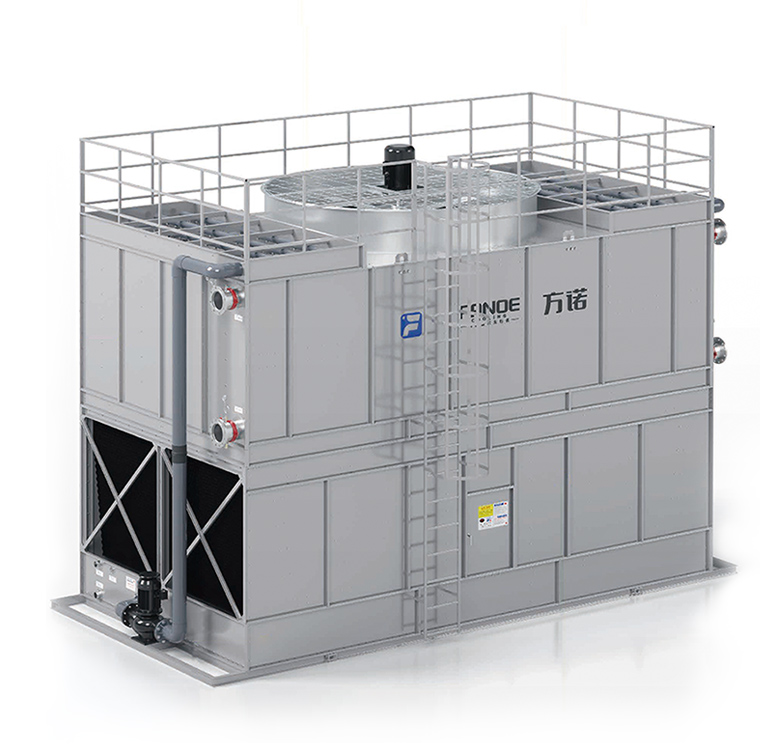 Industrial Cooling Towers: How They Work, Types, and How to Keep Them Running RightWhat Industrial Cooling Towers Do and Why They Matter Industrial cooling towers are large heat rejection systems designed to remove excess thermal en...
 Evaporative Condenser Explained: How It Works, How to Choose One, and How to Keep It RunningWhat Is an Evaporative Condenser and How Does It Work? An evaporative condenser is a heat rejection device that combines the functions of a condenser ...