1. Introduction
1.1 Overview of Cooling Towers in the Food Industry
In the vast, complex ecosystem of food and beverage production, where precision and consistency are paramount, the cooling tower stands as a critical piece of infrastructure, often operating behind the scenes. Far from being a simple piece of equipment, a cooling tower is the heart of many process cooling and refrigeration systems. Its primary function is to remove excess heat generated during various stages of production—from pasteurizing milk and cooking sauces to condensing refrigeration systems in cold storage and fermenting beer. By rejecting this heat into the atmosphere, cooling towers ensure that manufacturing processes run continuously and efficiently, forming an indispensable link in the chain of food production.
1.2 Importance of Temperature Control for Food Safety and Quality
The role of cooling towers extends far beyond mere operational support; it is fundamentally a matter of public health and product integrity. Temperature control is the first line of defense against pathogenic microorganisms and a key factor in preserving product quality. Strict adherence to temperature thresholds is essential for complying with food safety protocols like Hazard Analysis and Critical Control Points (HACCP). A failure in the cooling system can lead to devastating consequences, including:
- Microbial Growth: Temperatures in the “danger zone” (4°C to 60°C) can allow bacteria like Listeria and Salmonella to proliferate.
- Product Spoilage: Inconsistent cooling can alter the texture, flavor, and shelf life of products, leading to significant waste and consumer rejection.
- Process Failure: In industries like brewing and dairy, specific fermentation and pasteurization temperatures are non-negotiable for achieving the desired end product.
Therefore, a reliable and precise cooling system is not just an engineering requirement but a core component of a facility’s food safety plan.
1.3 Rising Demand for Energy-Efficient and Hygienic Cooling Solutions
Today’s food industry faces a dual challenge: to meet growing global demand while simultaneously addressing heightened concerns over energy consumption, water usage, and environmental impact. Legacy cooling systems are often among the largest consumers of water and energy in a plant. This has spurred a rising demand for innovative cooling solutions that deliver on three key fronts:
- Energy Efficiency: Reducing operational costs and carbon footprint through advanced designs and smart controls.
- Hygienic Design: Mitigating the risk of contamination from pathogens like Legionella and biofilm through easy-to-clean surfaces, corrosion-resistant materials, and designs that prevent stagnation.
- Water Conservation: Minimizing water loss through evaporation and blowdown, a critical consideration in water-scarce regions.
This trifecta of efficiency, safety, and sustainability is driving the evolution of cooling tower technology, making it a strategic investment for forward-thinking food and beverage companies.
2. Types of Cooling Towers for the Food Industry
Selecting the appropriate cooling tower is a critical decision that directly impacts a plant’s efficiency, water usage, and most importantly, its hygiene protocol. The food industry primarily utilizes three types of cooling towers, each with distinct operating principles and suitability for different applications.
2.1 Wet Cooling Towers: Advantages and Limitations
Wet, or evaporative, cooling towers are the most common type across industries due to their high efficiency. They operate on the principle of evaporative cooling, where a small portion of the circulating water is evaporated, drawing significant heat out of the remaining water.
-
Advantages:
- High Efficiency: They provide excellent cooling performance, especially in hot and dry climates, achieving water temperatures that approach the ambient wet-bulb temperature.
- Cost-Effectiveness: Lower initial capital cost and a proven, robust technology make them an attractive option for many large-scale operations.
- Compact Footprint: For a given cooling capacity, wet towers typically have a smaller physical footprint than dry coolers.
-
Limitations:
- High Hygiene Risk: The warm, moist environment inside a wet tower is an ideal breeding ground for microorganisms, including Legionella bacteria and biofilm. This necessitates rigorous and frequent water treatment and cleaning regimes.
- Water Consumption: They are the most water-intensive option, requiring constant makeup water to replace losses from evaporation, drift, and blowdown.
- Water Quality Issues: The evaporative process concentrates dissolved solids, increasing the risk of scaling, corrosion, and fouling, which can impair performance and damage equipment.
Food Industry Application: Wet towers are often used in non-direct contact applications, such as cooling the condensers of refrigeration systems for cold storage, where the process fluid (refrigerant) is isolated from the cooling tower water by a heat exchanger.
2.2 Dry Cooling Towers: When They Are Preferred
Dry cooling towers, or closed-circuit coolers, operate like a car radiator. Process fluid flows through a closed loop of tubes, and fans blow ambient air across the tubes to reject heat. There is no direct contact between the process fluid and the air, and thus, no water evaporation.
-
Advantages:
- Superior Hygiene: The closed-loop system completely isolates the process water from the atmosphere, virtually eliminating the risk of biological contamination, scaling, and fouling from airborne contaminants.
- Zero Water Consumption: They use no water for the cooling process itself, making them ideal for locations with water scarcity or high water costs.
- Low Maintenance: Without the concerns of water treatment and bio-fouling, maintenance requirements are significantly reduced.
-
Limitations:
- Lower Efficiency: They are less efficient than wet towers, as they can only cool the process fluid to a temperature close to the ambient dry-bulb temperature, which is higher than the wet-bulb temperature.
- Higher Capital and Energy Cost: They require larger heat exchange surfaces and more powerful fans, leading to a higher initial investment and often higher energy consumption for the same cooling duty.
- Large Footprint: The extensive coil surface area needed makes them physically larger than an equivalent wet cooling tower.
Food Industry Application: Dry coolers are preferred for applications requiring pristine hygiene for the cooling medium, such as directly cooling process fluids like glycol solutions that run through jacketed fermentation tanks in breweries or for certain dairy processes where contamination is a critical concern.
2.3 Hybrid Cooling Towers: Combining Efficiency and Hygiene
Hybrid cooling towers are designed to offer the “best of both worlds” by combining wet and dry sections into a single unit. They intelligently switch between or operate in both modes depending on the ambient conditions and cooling demand.
- How They Work: In cooler weather, the system operates in dry mode, saving water and maintaining hygiene. As the ambient temperature rises and more cooling capacity is needed, the wet section is activated, providing the efficient evaporative cooling boost required.
- Key Benefits:
- Water and Energy Savings: They can achieve 20-50% water savings compared to a traditional wet tower while maintaining high energy efficiency.
- Reduced Plume and Environmental Impact: The dry section can pre-heat the air, making visible plume reduction possible, which is a growing regulatory concern in some areas.
- Operational Flexibility: They provide a resilient solution that can adapt to varying weather conditions and production demands.
Food Industry Application: Hybrid systems are an excellent strategic choice for food plants looking to optimize their sustainability profile without compromising on the ability to meet peak cooling loads. They are increasingly adopted in large beverage and meat processing facilities where both efficiency and environmental compliance are top priorities.
3. Key Requirements in Food Industry Applications
In the food and beverage industry, cooling towers are not just industrial equipment; they are an integral part of the food safety ecosystem. Consequently, their selection, operation, and maintenance are governed by a set of stringent requirements that go far beyond basic performance metrics.
3.1 Hygiene and Sanitation Standards (e.g., FDA, HACCP Compliance)
The primary concern with cooling towers in a food plant is the potential for microbial contamination, both of the product and the environment. Systems must be designed and managed to comply with rigorous standards.
- Pathogen Control: The prevention of Legionella bacteria growth is a non-negotiable priority. This requires a robust water management program as part of the plant’s overall HACCP (Hazard Analysis and Critical Control Point) plan, identifying the cooling tower as a critical control point.
- Biofilm Prevention: Biofilm, a slimy layer of bacteria and fungi that adheres to surfaces, is a significant threat. It harbors pathogens, reduces heat transfer efficiency, and accelerates corrosion. Tower designs must minimize areas where water can stagnate and biofilm can thrive.
- FDA and Other Regulatory Compliance: In the United States, materials and indirect additives used in cooling systems must comply with FDA regulations (e.g., 21 CFR §178.1005). Furthermore, designs should facilitate compliance with third-party audit standards like those from SQF (Safe Quality Food) or BRCGS (BRC Global Standards).
3.2 Material Selection and Corrosion Resistance
The materials used in constructing a cooling tower must withstand a highly corrosive environment created by constant exposure to water, chemicals, and atmospheric conditions, all while preventing product contamination.
- Stainless Steel: Often the material of choice for critical components in food-grade applications. Grades like 304 and 316 stainless steel offer excellent corrosion resistance, are non-porous, and are easy to clean and inspect.
- Corrosion-Resistant Coatings: For structural components or in cost-sensitive applications, robust epoxy or polymer coatings are used. These must be non-toxic, non-flaking, and durable to prevent them from becoming a contamination source themselves.
- Non-Metallic Materials: Plastics and composites (e.g., PVC, FRP) are widely used for fill, drift eliminators, and casings due to their inherent resistance to corrosion and light weight. They must be UV-stabilized for outdoor use and able to withstand cleaning chemicals.
3.3 Water Quality Management and Scaling Prevention
The quality of the water circulating in a cooling tower directly impacts its hygiene, efficiency, and lifespan. An effective water treatment program is essential and involves managing three key issues:
- Scale Inhibition: As water evaporates, dissolved minerals like calcium carbonate (limestone) become concentrated and can precipitate out, forming hard, insulating scale on heat exchange surfaces. This drastically reduces efficiency and increases energy costs. Scale is controlled through water softening, side-stream filtration, and the use of scale-inhibiting chemicals.
- Corrosion Control: The water’s chemistry can aggressively corrode metal components. Treatment involves maintaining the proper pH and using corrosion inhibitors to form a protective layer on metal surfaces.
- Microbiological Control: This is the cornerstone of the program. It involves the judicious use of biocides (oxidizing like chlorine/bromine and non-oxidizing) to control bacteria, algae, and fungi. The program must be carefully managed to ensure efficacy while preventing the development of resistant strains and complying with environmental discharge regulations for blowdown water.
4. Technological Innovations in Cooling Towers
The evolving demands of the food industry for greater efficiency, safety, and sustainability are being met by a wave of technological advancements. Modern cooling towers are no longer passive pieces of equipment; they are intelligent, integrated systems that actively contribute to a plant’s operational excellence.
4.1 Advanced Heat Exchange Systems
The core function of heat rejection is being re-engineered for better performance and hygiene.
- Enhanced Surface Fill Media: New designs in PVC fill media create a more efficient water-to-air interface, maximizing heat transfer in a smaller footprint. These designs also promote better water distribution and faster drying during off-cycles, which helps suppress microbial growth.
- Plate and Frame Heat Exchangers as Intermediaries: While not part of the tower itself, the integration of plate heat exchangers (PHEs) between the cooling tower loop and the process loop is a critical innovation for the food industry. This creates a closed, hygienic process loop for the product side, while the tower handles the heat rejection from the cooling water side, effectively isolating the process from contamination.
- Non-Corrosive Coils in Hybrid Systems: The development of coils made from advanced materials like stainless steel or specialized polymer coatings in hybrid towers enhances durability and eliminates a major source of corrosion and potential leakage.
4.2 Smart Monitoring and Automation
The rise of the Industrial Internet of Things (IIoT) has transformed cooling tower maintenance from a reactive, scheduled task to a proactive, data-driven strategy.
- Real-Time Water Quality Sensors: Sensors continuously monitor critical parameters such as pH, conductivity, oxidation-reduction potential (ORP), and turbidity. This data allows for the automated, precise dosing of treatment chemicals, ensuring optimal levels are maintained 24/7, improving efficacy, and reducing chemical usage.
- Predictive Maintenance Analytics: Vibration sensors on motors and fans, combined with temperature and flow data, can predict component failures before they occur. This allows maintenance to be scheduled during planned downtime, preventing catastrophic failures that could halt production.
- Remote Monitoring and Control: Plant managers and service providers can access tower performance data from anywhere. Alerts for abnormal conditions (e.g., low water level, high temperature, biocide underfeed) can be sent directly to mobile devices, enabling immediate response.
4.3 Energy-Saving Features and Green Technologies
Reducing the environmental footprint and operational cost of cooling systems is a primary driver of innovation.
- Variable Frequency Drives (VFDs): VFDs on fan and pump motors are now a standard energy-saving feature. They adjust the motor speed to match the exact cooling demand, rather than running at a constant full speed. This can reduce energy consumption by 30% or more.
- Magnetic Bearings and High-Efficiency Motors: Centrifugal fans with magnetic bearing technology eliminate friction, reducing energy use and maintenance. Coupled with NEMA Premium® or IE5 ultra-premium efficiency motors, these systems set a new benchmark for energy performance.
- Zero-Liquid Discharge (ZLD) and Water Recovery Systems: Advanced filtration and evaporation technologies are being integrated to treat blowdown water. These systems recover up to 95% of the wastewater for reuse in the tower, dramatically reducing freshwater consumption and environmental discharge.
5. Maintenance and Operational Considerations
Even the most advanced and hygienically designed cooling tower will fail if not properly maintained. In the food industry, where downtime can lead to massive spoilage and safety breaches, a proactive, systematic approach to operations and maintenance is not just a recommendation—it is a business imperative.
5.1 Regular Inspection and Cleaning Procedures
A disciplined routine is the first line of defense against inefficiency and contamination. This should be a documented process, often integrated into a Computerized Maintenance Management System (CMMS).
- Daily/Weekly Checks: Visual inspections for leaks, unusual vibrations, and fan operation. Checking water levels and ensuring chemical feed systems are stocked and functional.
- Bi-Weekly/Monthly Tasks: Inspection of drift eliminators for clogging, checking for visible biofilm or scale formation on fill media and sump surfaces, and verifying the performance of water treatment programs through testing.
- Semi-Annual/Annual Shutdowns: A comprehensive shutdown for thorough cleaning and inspection is critical. This includes:
- Mechanical Cleaning: Power washing all internal surfaces, including fill, distribution basins, and sump, to physically remove scale, silt, and biofilm.
- Chemical Cleaning: Circulating approved cleaning and disinfecting solutions (e.g., biodegradable cleaners, descaling agents, and high-dose biocides) to sanitize the entire system.
- Component Inspection: Checking and servicing motors, gearboxes, bearings, and drives. Inspecting and cleaning nozzles to ensure proper water distribution.
5.2 Minimizing Downtime While Ensuring Compliance
The challenge for food producers is to perform this essential maintenance without disrupting tight production schedules.
- Strategic Scheduling: Planning major shutdowns during scheduled production breaks, holiday periods, or during lower-demand seasons.
- Modular and Bypass Design: Selecting towers with modular cells allows one cell to be taken offline for maintenance while others continue to operate, albeit at reduced capacity. Systems designed with bypass valves enable isolation and work without draining the entire system.
- Preparedness and Training: Having all necessary tools, replacement parts, and cleaning chemicals on-site before a shutdown begins. Ensuring maintenance staff are thoroughly trained on the specific procedures and safety protocols to execute the work efficiently and correctly the first time.
5.3 Troubleshooting Common Issues in Food Processing Environments
Rapid identification and resolution of common problems prevent minor issues from escalating into major failures.
6. Industry Examples
The theoretical benefits of optimized cooling towers become most apparent when examined through the lens of specific, high-stakes applications within the food and beverage sector. Different segments have unique thermal load profiles and hygiene challenges, dictating distinct cooling solutions.
6.1 Applications in Dairy Processing
Dairy processing is a highly thermal-intensive operation where temperature control is synonymous with product safety, quality, and yield. Cooling towers are indispensable across the production line.
- Post-Pasteurization Cooling: After milk, cream, or other products are pasteurized using a High-Temperature Short-Time (HTST) system, they must be cooled rapidly to below 4°C (39°F) to prevent the growth of thermophilic bacteria and preserve freshness. The cooling tower rejects the heat absorbed by the chilled water or glycol system that performs this critical cooling.
- Fermentation Control: In the production of yogurt, cheese, and other cultured products, fermentation tanks require precise temperature control. A deviation of just a few degrees can alter the activity of starter cultures, affecting flavor, texture, and production time. Cooling towers provide the stable, reliable cooling needed for these jacketed tanks.
- Compressor Cooling for Cold Storage: The vast refrigeration systems that power cold storage warehouses and ripening rooms rely on cooling towers to cool the condenser loops of their ammonia or Freon-based systems. Here, efficiency is paramount, as refrigeration can account for over 50% of a plant’s total energy use.
Technology in Action: A modern dairy plant will often employ a hybrid cooling tower or a closed-loop dry cooler for the sensitive process cooling (like fermentation) to guarantee hygiene, while using highly efficient wet cooling towers for the non-contact refrigeration condenser cooling, optimizing the balance of water and energy use.
6.2 Applications in the Beverage and Beer Industries
From soft drinks to craft beer, the beverage industry demands immense cooling capacity for both process and packaging, with a strong emphasis on consistency and brand integrity.
- Brewing: Fermentation and Maturation: The brewing process is exothermic. During fermentation, yeast activity generates significant heat that must be removed to maintain the specific temperature profile of each beer style (e.g., lagers require cool, consistent temperatures). Glycol chilled by a cooling tower system circulates through jackets on the fermenters. Similarly, maturation tanks require precise temperature control.
- Carbonation and De-aeration: Water used for soft drinks and beer must be de-aerated and then carbonated at low temperatures to achieve proper CO2 absorption. The chilling of this water is a significant cooling load, directly reliant on the tower’s performance.
- Sterile Cooling After Pasteurization (Tunnel Pasteurizers): For products bottled or canned hot, such as juices and ready-to-drink teas, tunnel pasteurizers heat the product to sterilize it and then use a series of cooling sprays to bring it down to a safe handling temperature. The cooling tower is responsible for rejecting this massive heat load efficiently.
- Wort Cooling in Breweries: After the wort (the sweet liquid extracted from mashing grains) is boiled, it must be cooled rapidly to a temperature suitable for yeast pitching. This is typically done with a Plate Heat Exchanger (PHE), which uses cold water from a cooling tower system on one side. This rapid cooling is critical to prevent contamination and lock in flavor.
Technology in Action: Breweries and large beverage plants are leading adopters of smart monitoring systems. They use conductivity controllers to automate blowdown and real-time ORP/pH sensors to manage biocide dosing, ensuring consistent water treatment despite the high and variable loads. The use of stainless steel in tower construction is also common to withstand the often humid and corrosive environment and meet stringent audit requirements.
7. Future Trends and Industry Outlook
The future of cooling tower technology in the food industry is being shaped by a powerful convergence of digitalization, environmental stewardship, and evolving risk management. The cooling tower is evolving from a utility into a strategic asset for sustainable and resilient manufacturing.
7.1 Integration with Renewable Energy Sources
To decarbonize operations, food and beverage plants are increasingly looking to power their thermal management systems with renewable energy.
- Solar Thermal Hybridization: Coupling cooling towers with solar thermal collectors can pre-heat water or provide low-grade heat to drive absorption chillers, reducing the electrical load on conventional compressor-based systems.
- Waste Heat Recovery: Advanced systems are being designed to capture low-grade waste heat from the cooling tower loop itself or other processes. This heat can be repurposed for space heating, pre-heating boiler feed water, or even driving low-temperature drying processes, turning a waste product into a valuable resource and improving the plant’s overall energy balance.
7.2 Growing Emphasis on Sustainability and Environmental Impact
The concept of efficiency is expanding beyond energy to encompass water usage, chemical discharge, and carbon emissions.
- Water Stewardship as a Core Metric: With water scarcity becoming a critical business risk, “water minimization” is a key driver. This will accelerate the adoption of hybrid and dry systems, as well as advanced Zero-Liquid Discharge (ZLD) technologies that push water recovery rates toward 100%.
- Carbon Footprint Reduction: The push for Net Zero operations will favor cooling solutions that minimize the system’s lifetime carbon footprint. This includes the use of low Global Warming Potential (GWP) refrigerants in associated chillers, energy-efficient designs with VFDs, and the selection of materials with lower embodied carbon.
- Circular Economy Principles: Future designs will prioritize modularity, ease of disassembly, and the use of recyclable materials, aligning with corporate sustainability goals and reducing end-of-life environmental impact.
7.3 Evolving Regulatory Requirements and Compliance Strategies
The regulatory landscape is expected to become more stringent and complex, compelling a more proactive and data-driven approach to compliance.
- Tighter Legionella Control: Regulations, such as those from the CDC and various international bodies, are moving towards mandating comprehensive water management plans and more frequent, verifiable testing. This will make smart, sensor-based monitoring not just an efficiency tool, but a compliance necessity.
- Chemical Discharge Regulations: Restrictions on the discharge of treatment chemicals and blowdown water will tighten. This will drive innovation in non-chemical water treatment solutions, such as advanced UV-C and ultrasonic systems, and electrocatalytic water treatment.
- The Role of Digital Auditing: Compliance will increasingly be demonstrated not just with paper logs, but with immutable digital data. Cloud-based platforms that log all operational parameters—from chemical doses and water quality to maintenance activities—will become standard, providing a transparent and auditable trail for regulators and certification bodies.
8. Conclusion
As we have explored, the modern cooling tower in the food industry is a far cry from a simple piece of industrial hardware. When optimized through careful selection, innovative technology, and disciplined maintenance, it delivers a powerful trifecta of benefits:
- Enhanced Safety and Quality: By guaranteeing precise temperature control and mitigating microbiological risks through hygienic design and smart water management, these systems are a foundational element of any modern food safety program, protecting both the consumer and the brand.
- Operational and Economic Efficiency: The integration of energy-saving features like VFDs, heat exchange innovations, and water-saving hybrid systems directly translates to lower utility costs, reduced chemical consumption, and minimized downtime, bolstering the bottom line.
- Sustainability and Resilience: By significantly reducing water footprint, energy use, and environmental impact, optimized cooling solutions future-proof food and beverage operations against resource scarcity and tightening environmental regulations, ensuring long-term viability.
8.2 Strategic Importance for Food Industry Growth and Safety
In an industry defined by razor-thin margins, intense competition, and an unwavering responsibility to public safety, the strategic value of a reliable and efficient cooling system cannot be overstated. It is not merely a cost center but a critical enabler. The choice of a cooling tower solution directly influences a plant’s capacity to scale production, maintain consistent product quality, comply with evolving global standards, and achieve its corporate sustainability goals.
Investing in an optimized cooling tower system is, therefore, an investment in the core pillars of the modern food industry: safety, efficiency, and growth. As technology continues to advance, viewing the cooling tower through this strategic lens will separate industry leaders from the rest, ensuring they are equipped to meet the demands of tomorrow’s market.



 Eng
Eng English
 中文简体
中文简体

 What Is an Open Circuit Cooling Tower and How Does It Work?
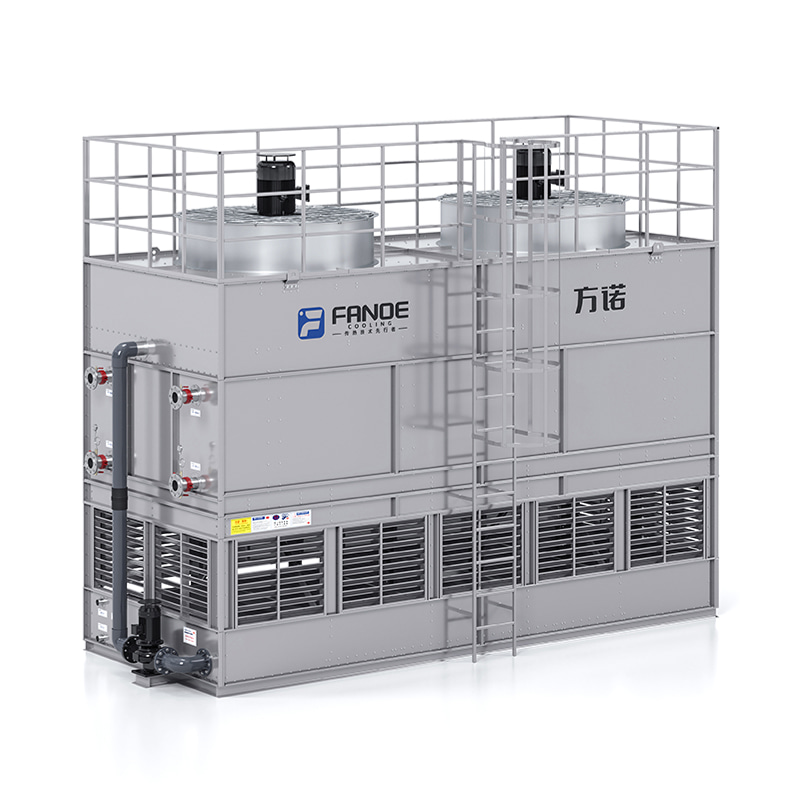 What Is a Closed Type Cooling Tower and When Should You Use One?How a Closed Type Cooling Tower Actually Works A closed type cooling tower — also widely referred to as a closed-circuit cooling tower, closed-loop c...
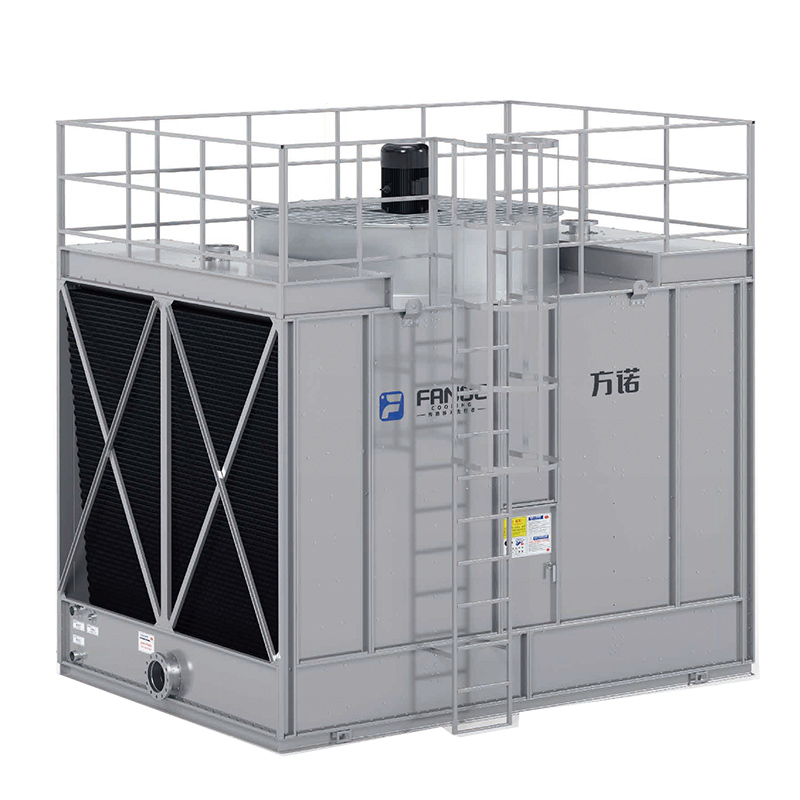 Cooling Tower Guide: Types, How They Work & Selection CriteriaHow a Cooling Tower Actually Works A cooling tower is a heat rejection device that removes waste heat from a process or building system by transferrin...
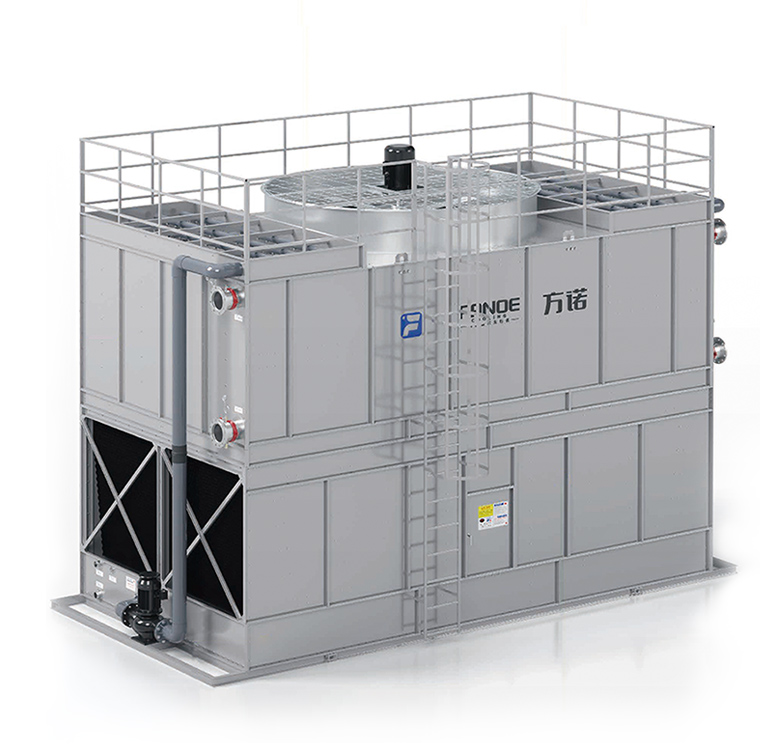 Industrial Cooling Towers: How They Work, Types, and How to Keep Them Running RightWhat Industrial Cooling Towers Do and Why They Matter Industrial cooling towers are large heat rejection systems designed to remove excess thermal en...
 Evaporative Condenser Explained: How It Works, How to Choose One, and How to Keep It RunningWhat Is an Evaporative Condenser and How Does It Work? An evaporative condenser is a heat rejection device that combines the functions of a condenser ...