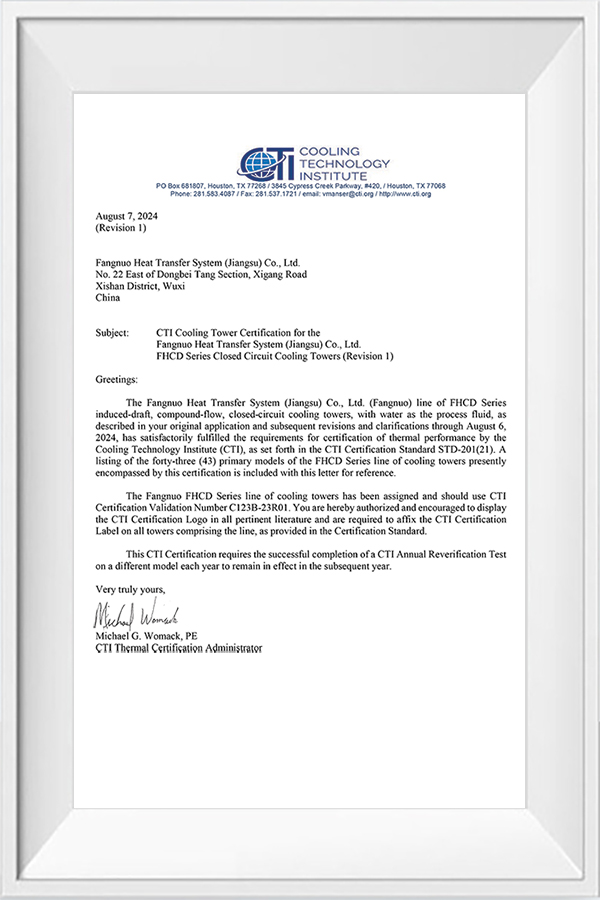
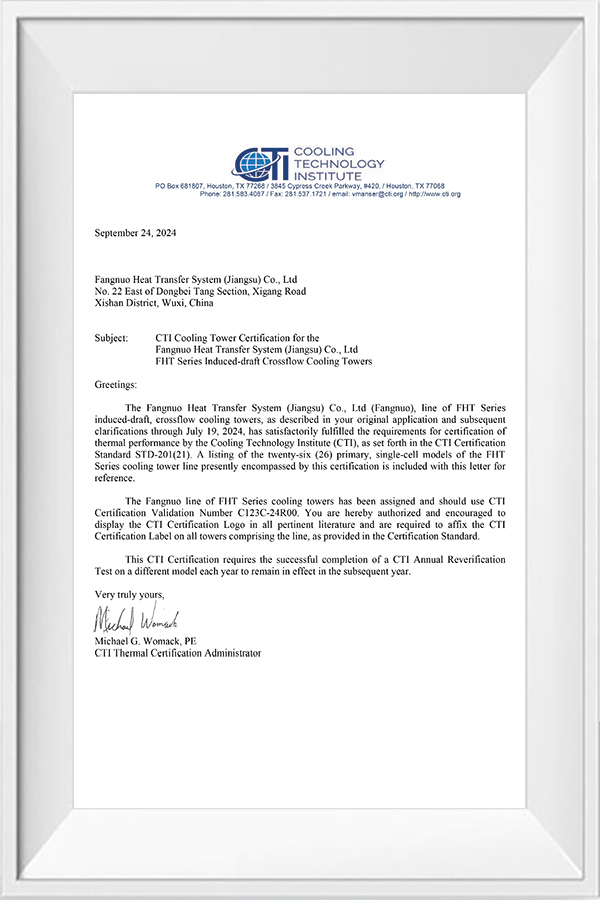
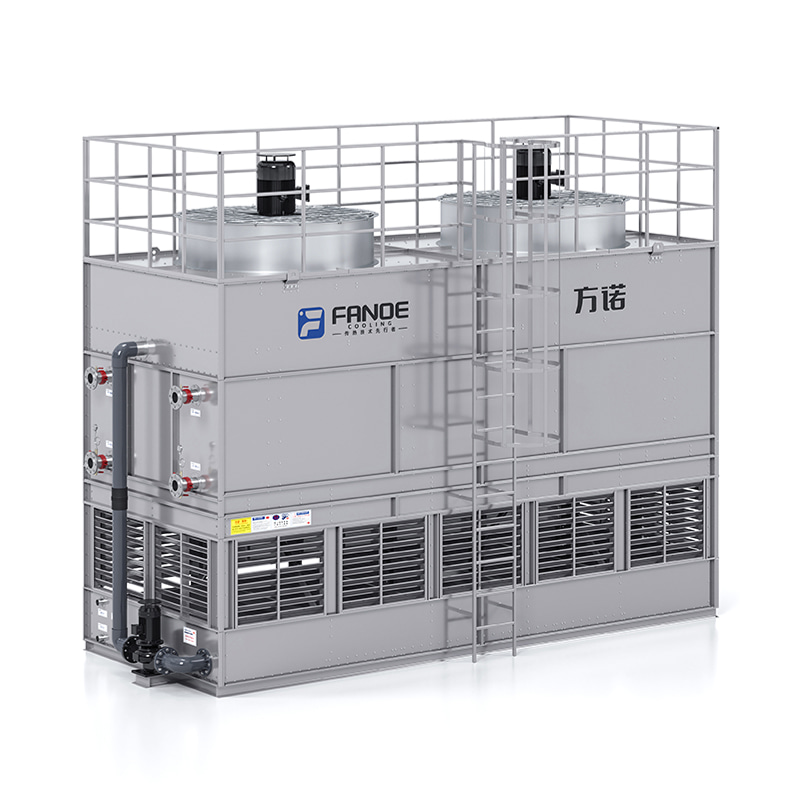
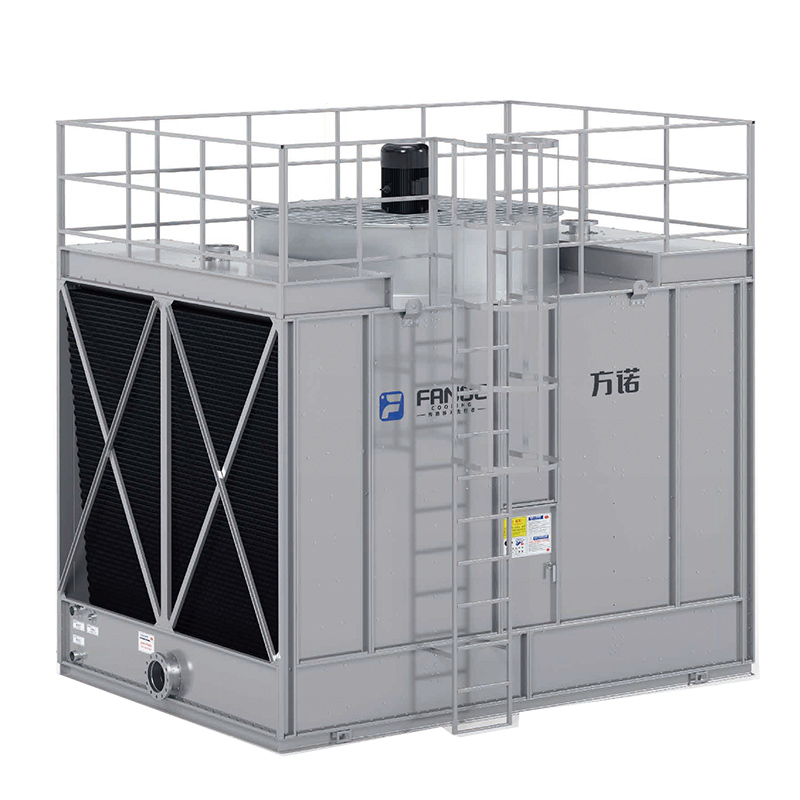
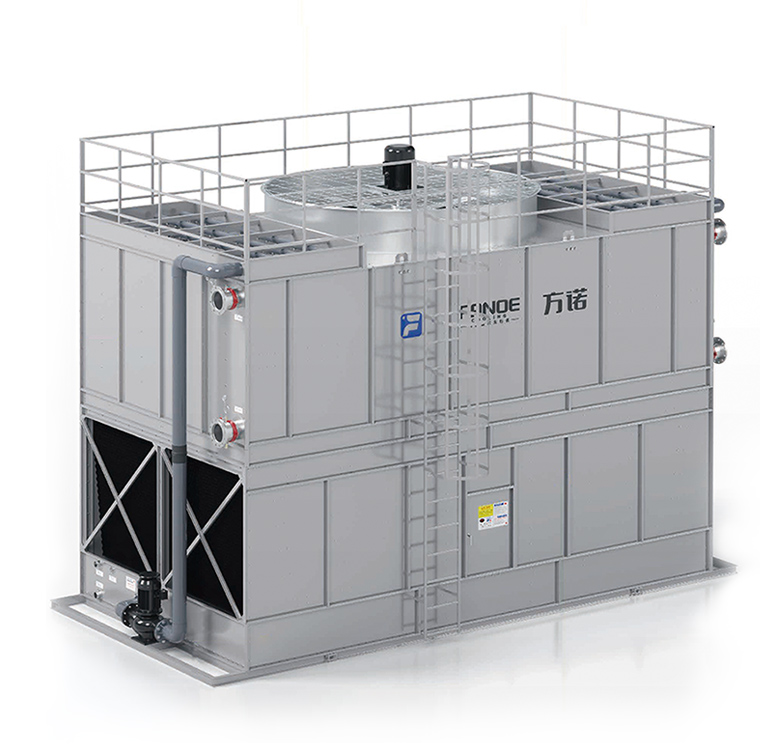
How do Fangnuo Heat Transfer System (Jiangsu) Co., Ltd.'s Photovoltaic New Energy Cooling Tower Solutions Support Low-Carbon and Sustainable Energy Goals?
In an era defined by the urgency of carbon reduction and the transition to sustainable energy, industrial cooling solutions play a pivotal role. Efficient thermal management is no longer a peripheral concern; it is central to energy optimization, cost efficiency, and environmental stewardship. Among industry leaders, Fangnuo Heat Transfer System (Jiangsu) Co., Ltd. has distinguished itself through innovative Photovoltaic New Energy Cooling Tower solutions that seamlessly blend performance with sustainability.
Fangnuo’s approach transcends conventional cooling. With over 20 years of expertise in refrigeration heat exchanger management, research, and manufacturing, the company has cultivated a deep understanding of thermodynamic optimization and energy-efficient design. The result is a portfolio of cooling solutions that are both technologically sophisticated and environmentally conscientious.
Integrated Expertise for Holistic Solutions
The strength of Fangnuo lies not only in its product line but also in its systematic approach. Equipped with self-developed selection software, Fangnuo enables precise system design tailored to each client’s operational parameters. Combined with the acumen of water and electrical engineers, this ensures optimal energy utilization, reduced waste, and enhanced reliability across every deployment.
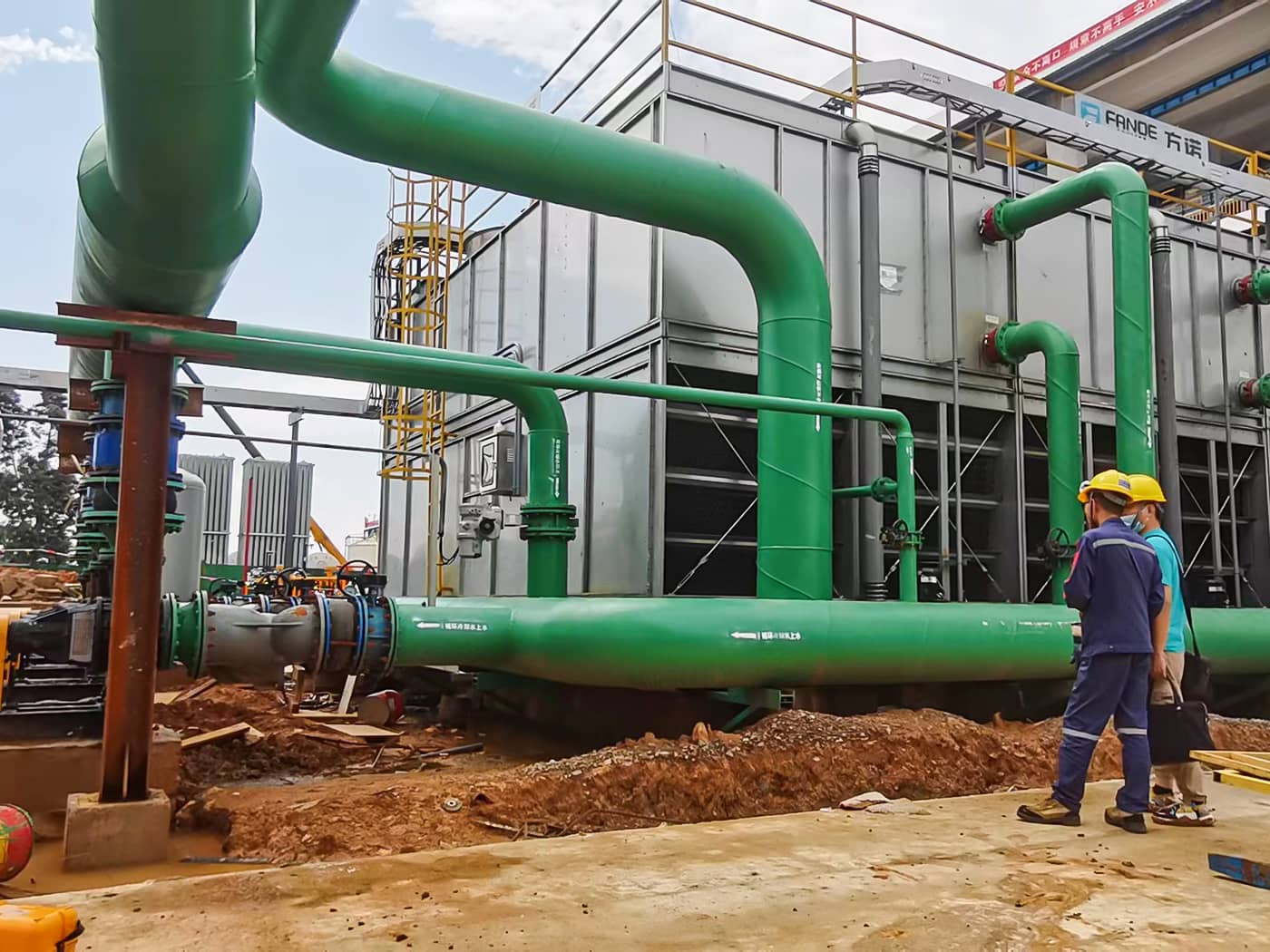
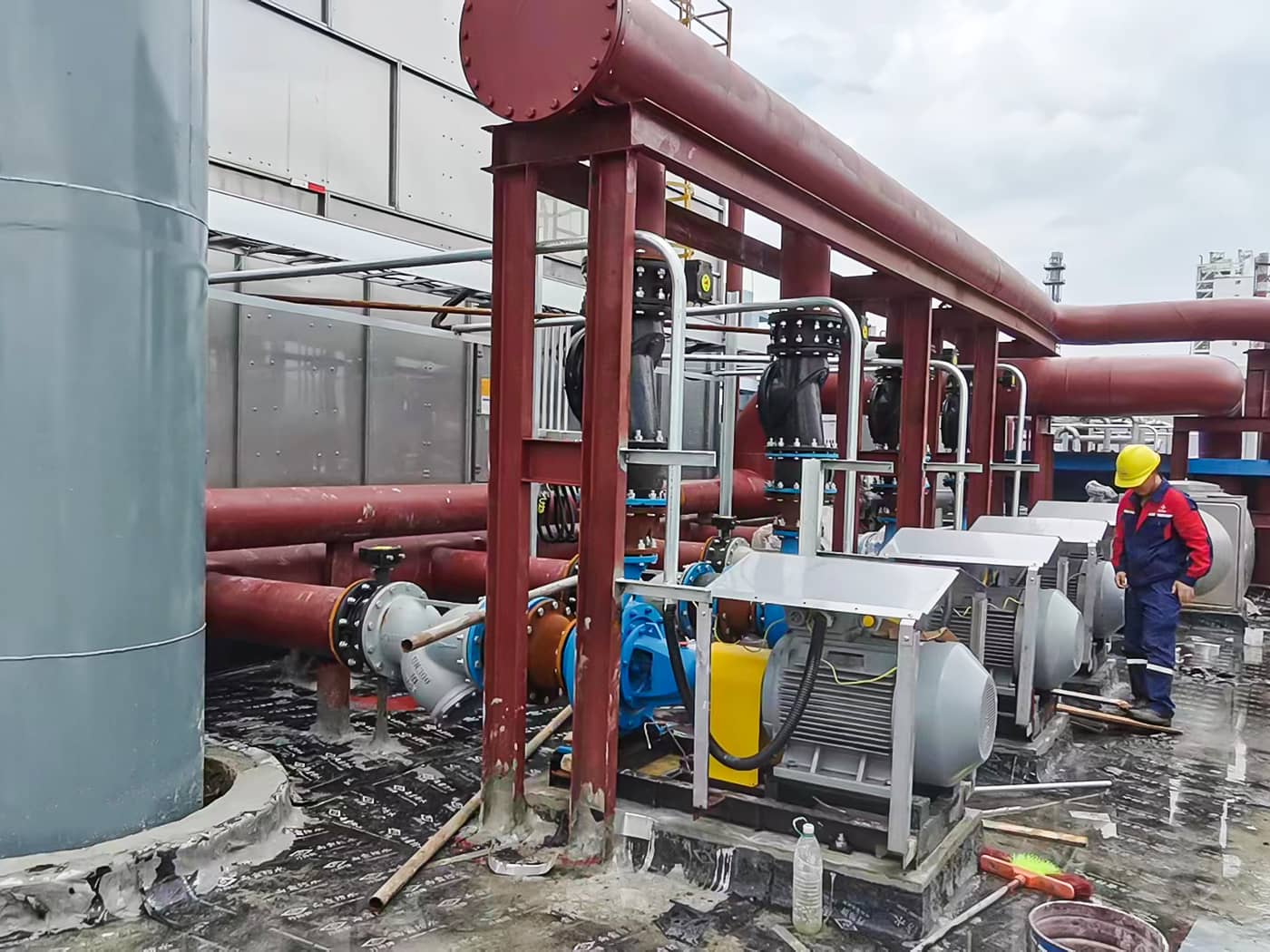
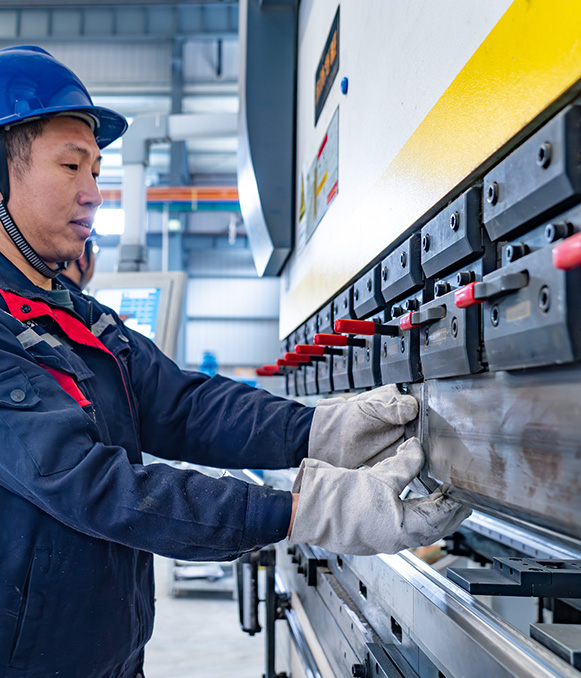
From initial cooling tower selection to production, system installation, and post-installation maintenance, every stage is meticulously managed. This continuity guarantees that each system achieves peak operational efficiency while minimizing carbon emissions. Such integrated services allow industries to reduce their energy footprint without compromising performance.
Advanced Photovoltaic Cooling Solutions
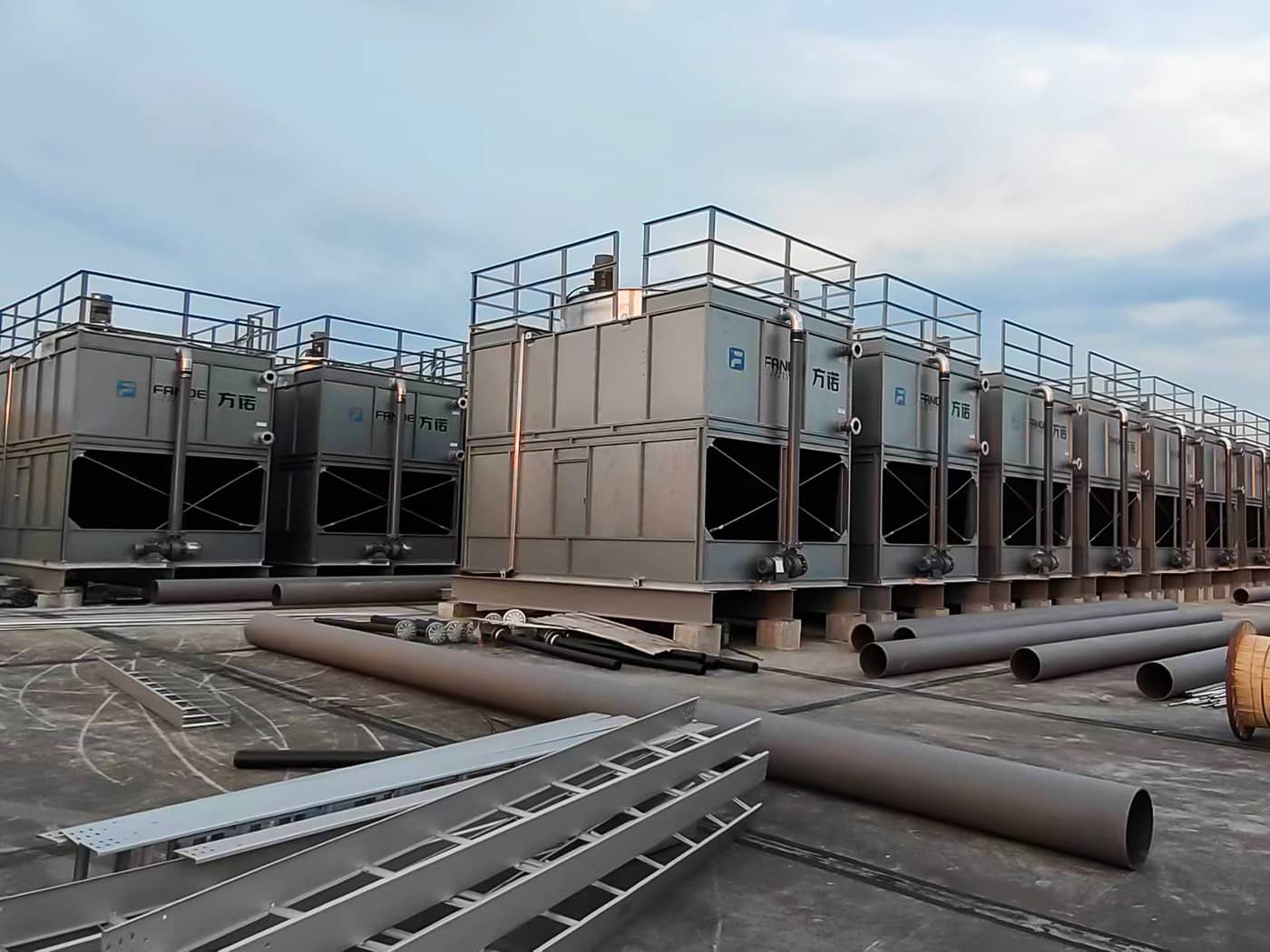
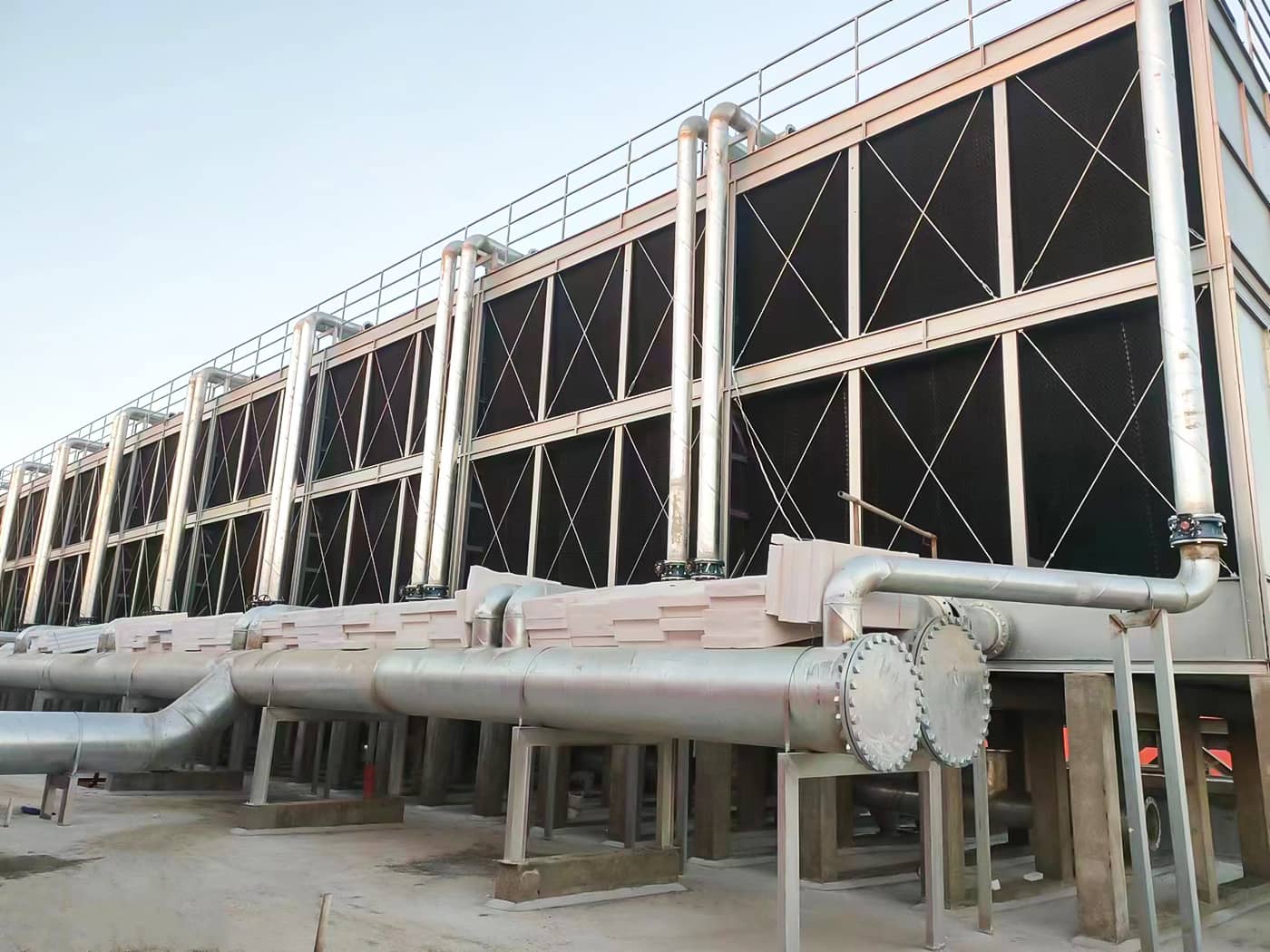
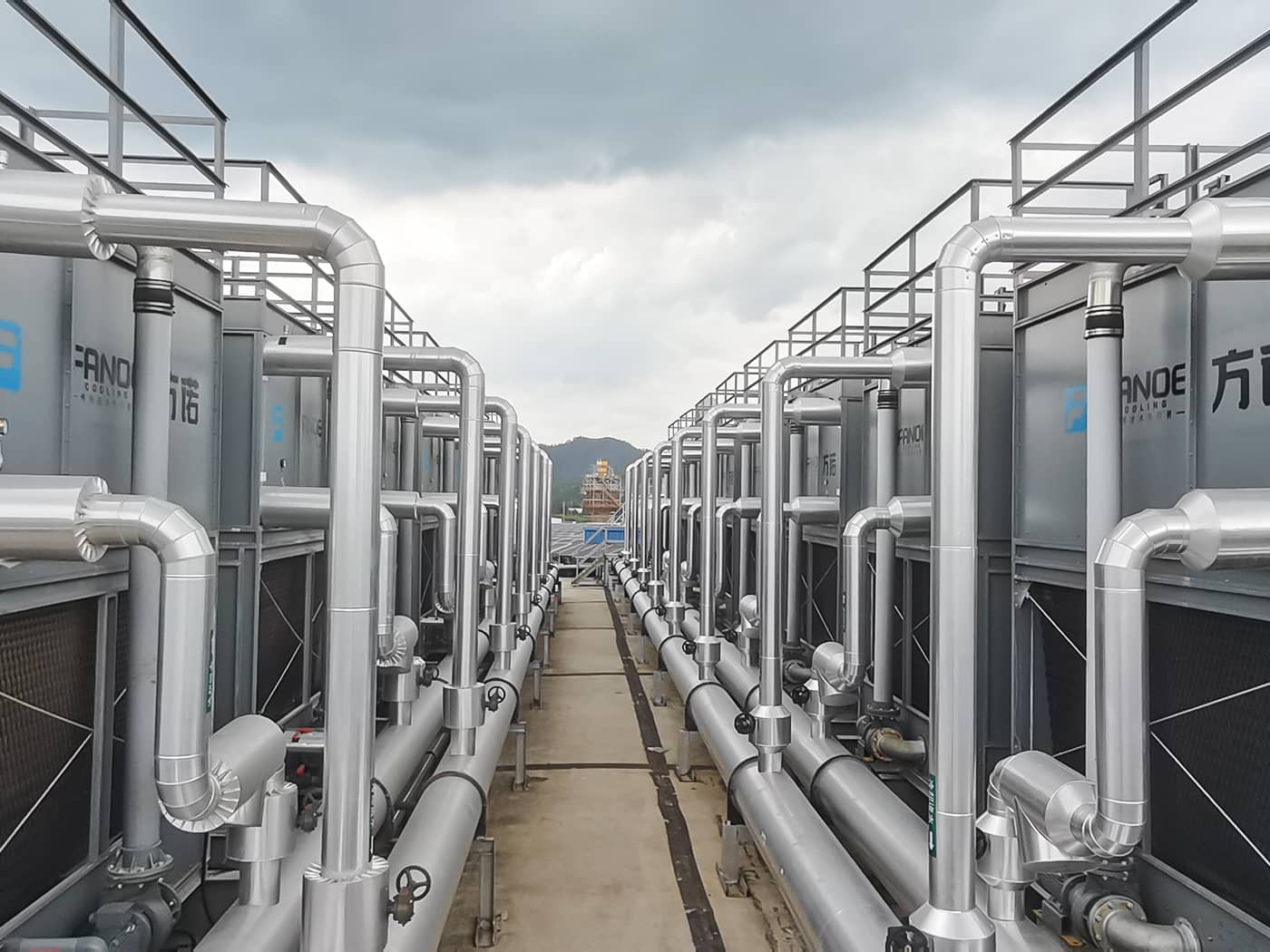
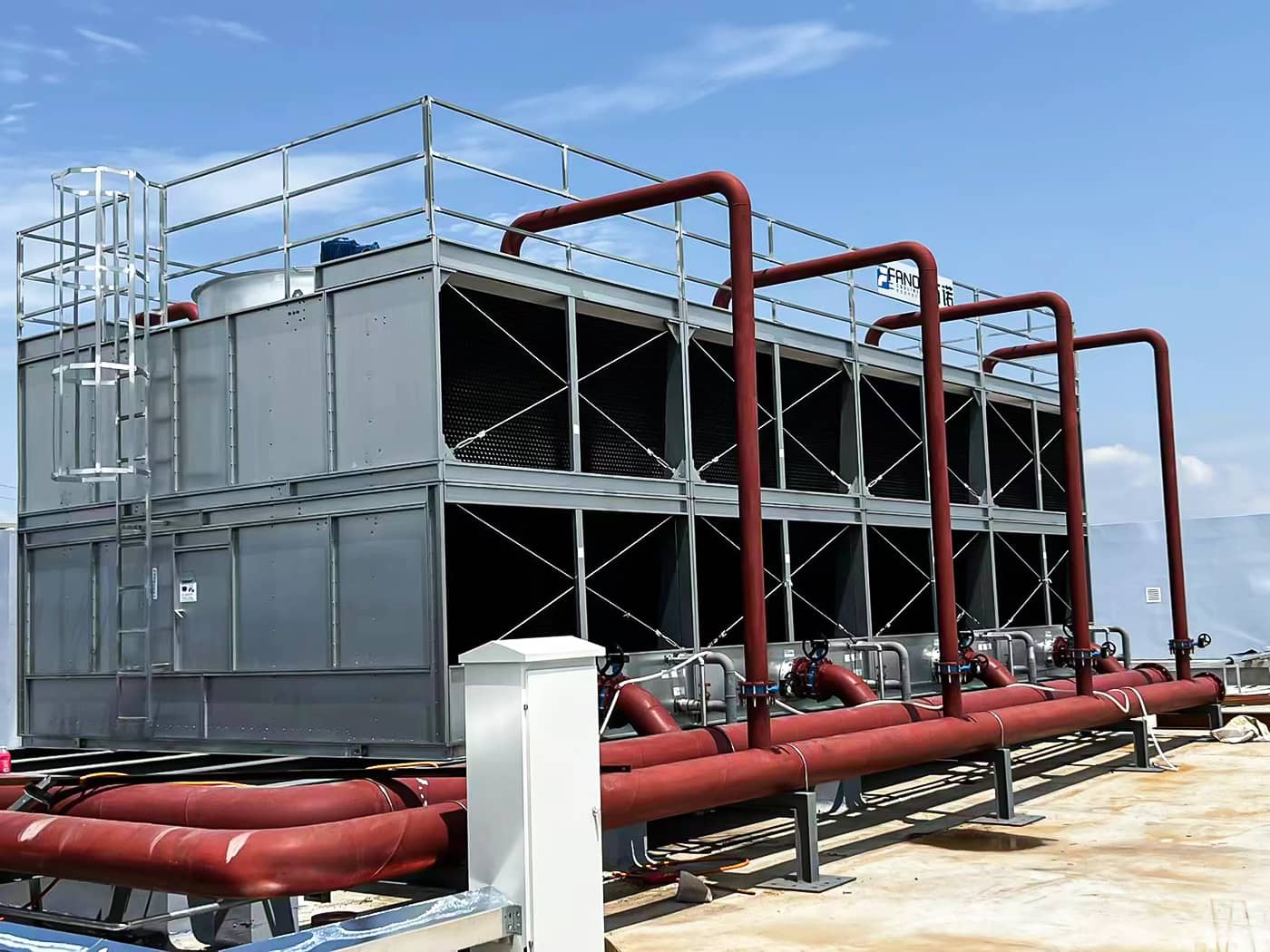
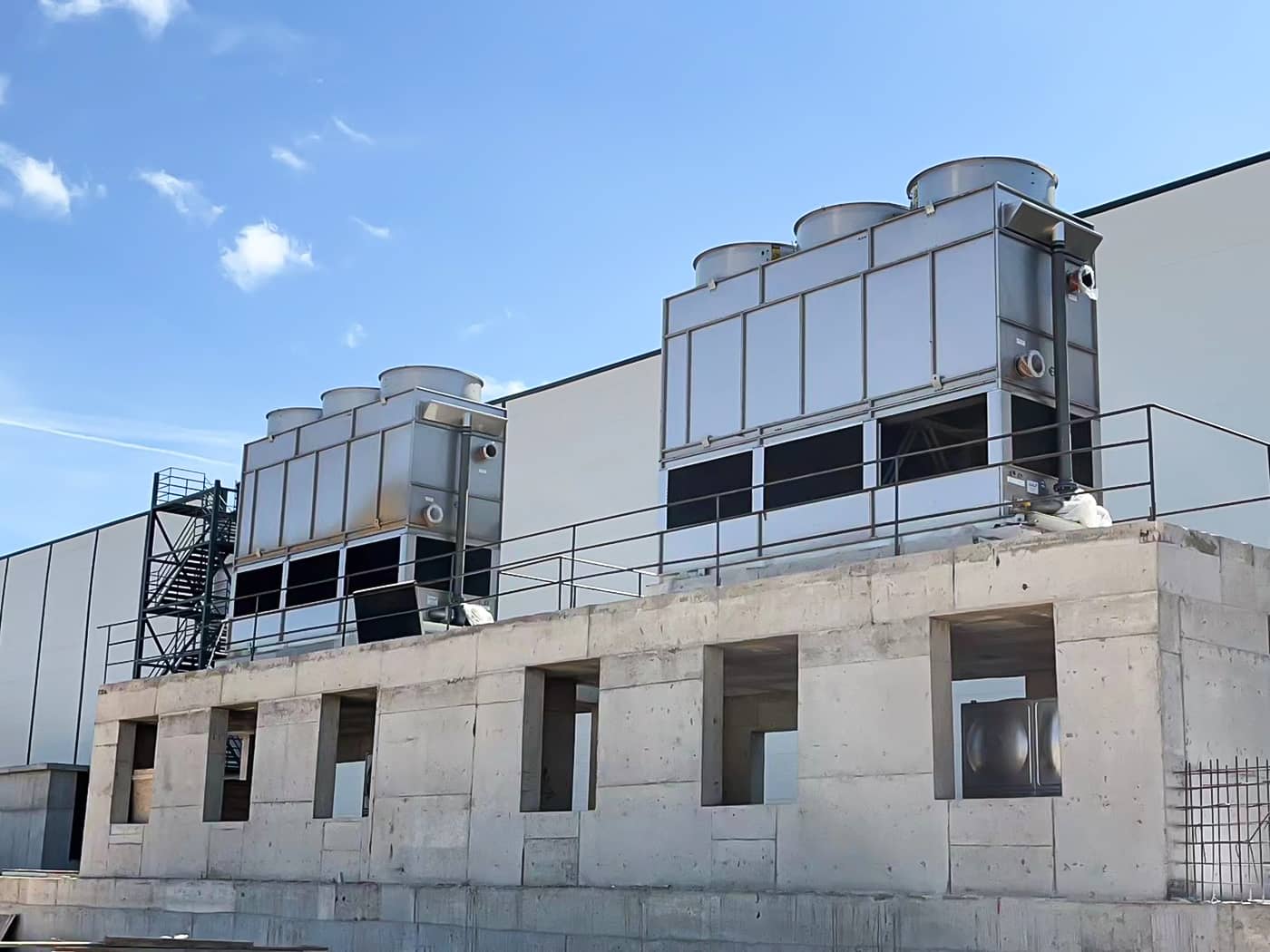
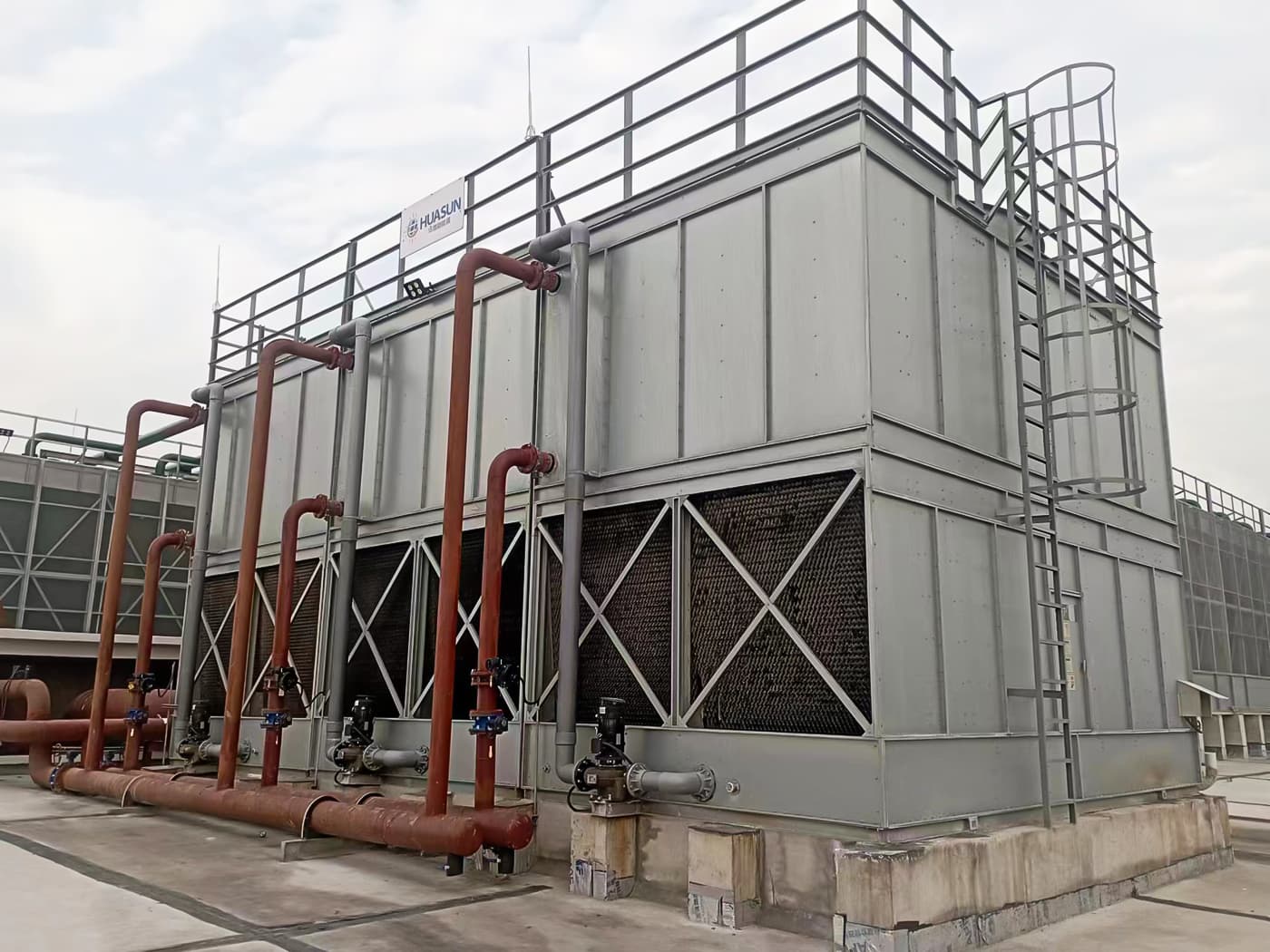
Fangnuo’s Photovoltaic New Energy Cooling Tower Solutions represent the convergence of renewable energy and industrial cooling. By harnessing photovoltaic power, these systems significantly lower dependence on conventional electricity sources. This not only reduces greenhouse gas emissions but also enhances operational sustainability.
Engineered for versatility, these cooling towers support a broad spectrum of industrial applications. Their precision design accommodates sectors ranging from medical devices, pharmaceuticals, and biotechnology, to food and chemical processing, photovoltaic energy, automotive casting, and HVAC equipment. Even specialized industries such as steel forging, aerospace, and electronic engineering benefit from Fangnuo’s advanced thermal solutions.
Commitment to Sustainability
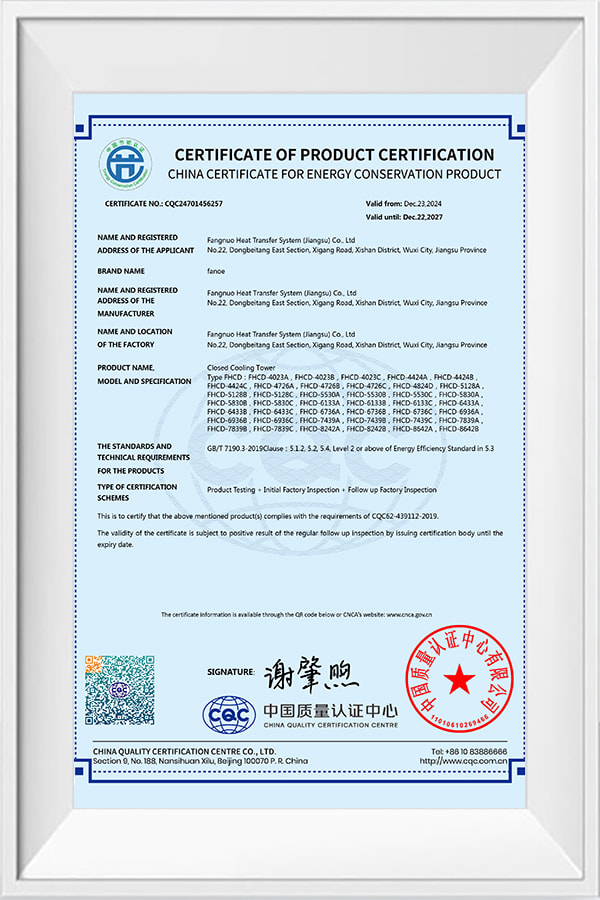
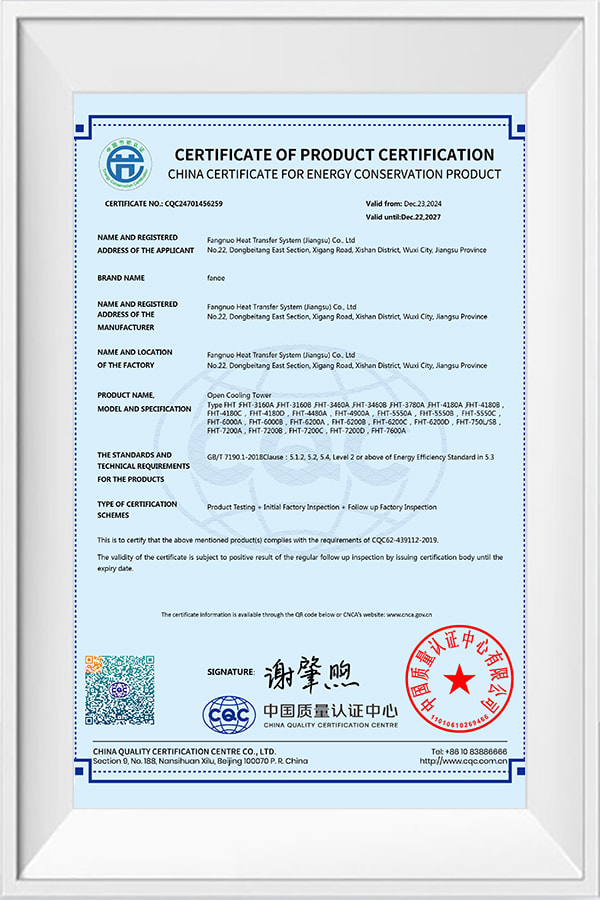
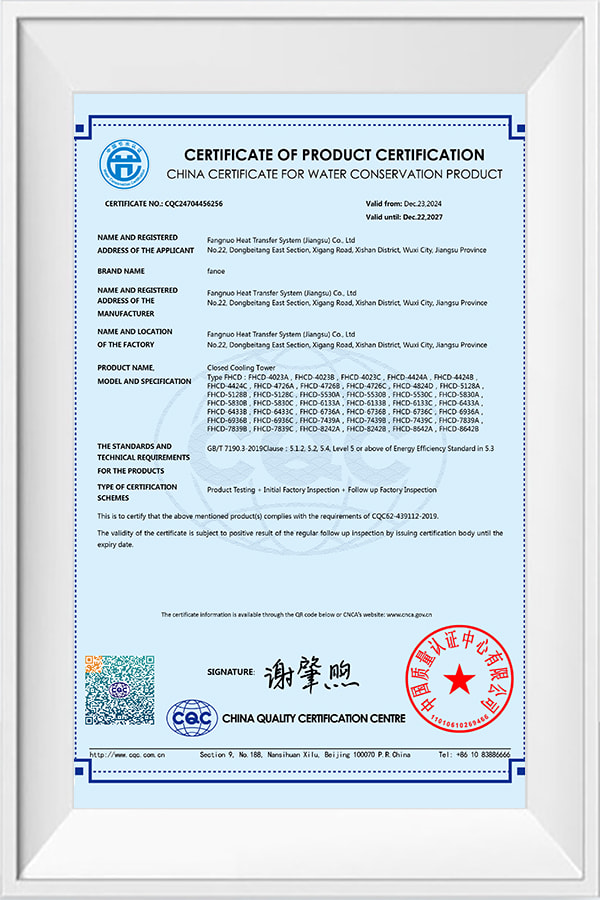
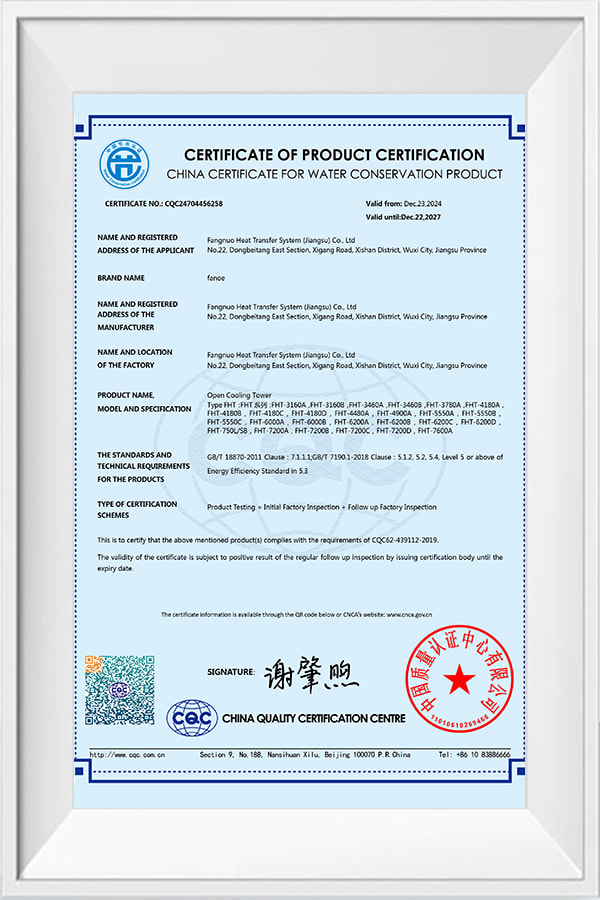
At the core of Fangnuo’s operations is a culture of exploration, integrity, and continuous improvement. Every project reflects meticulous attention to detail, ensuring systems not only meet but exceed energy efficiency benchmarks. This commitment translates into tangible sustainability outcomes: reduced water consumption, optimized thermal cycles, and lower overall energy demand.
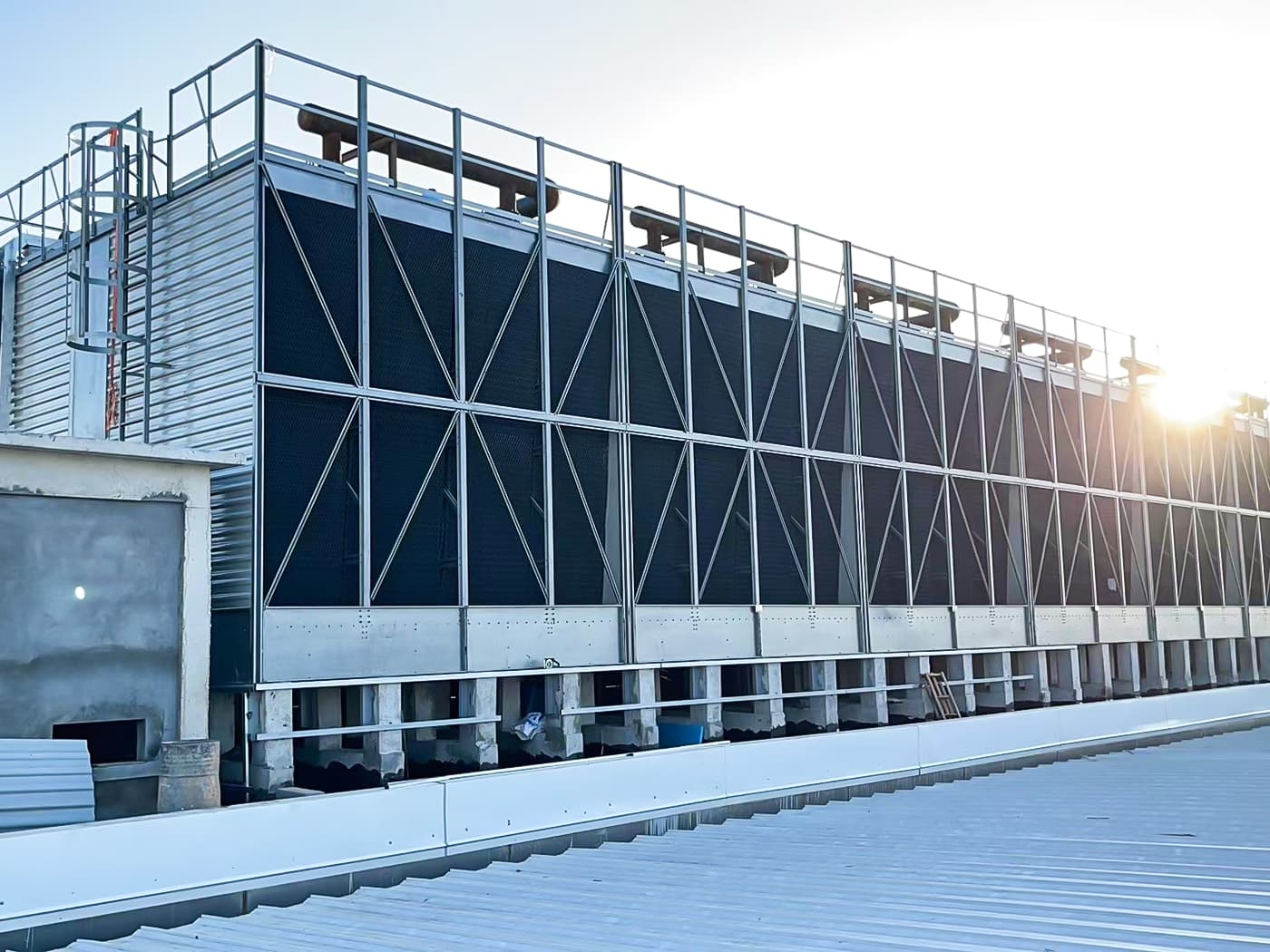
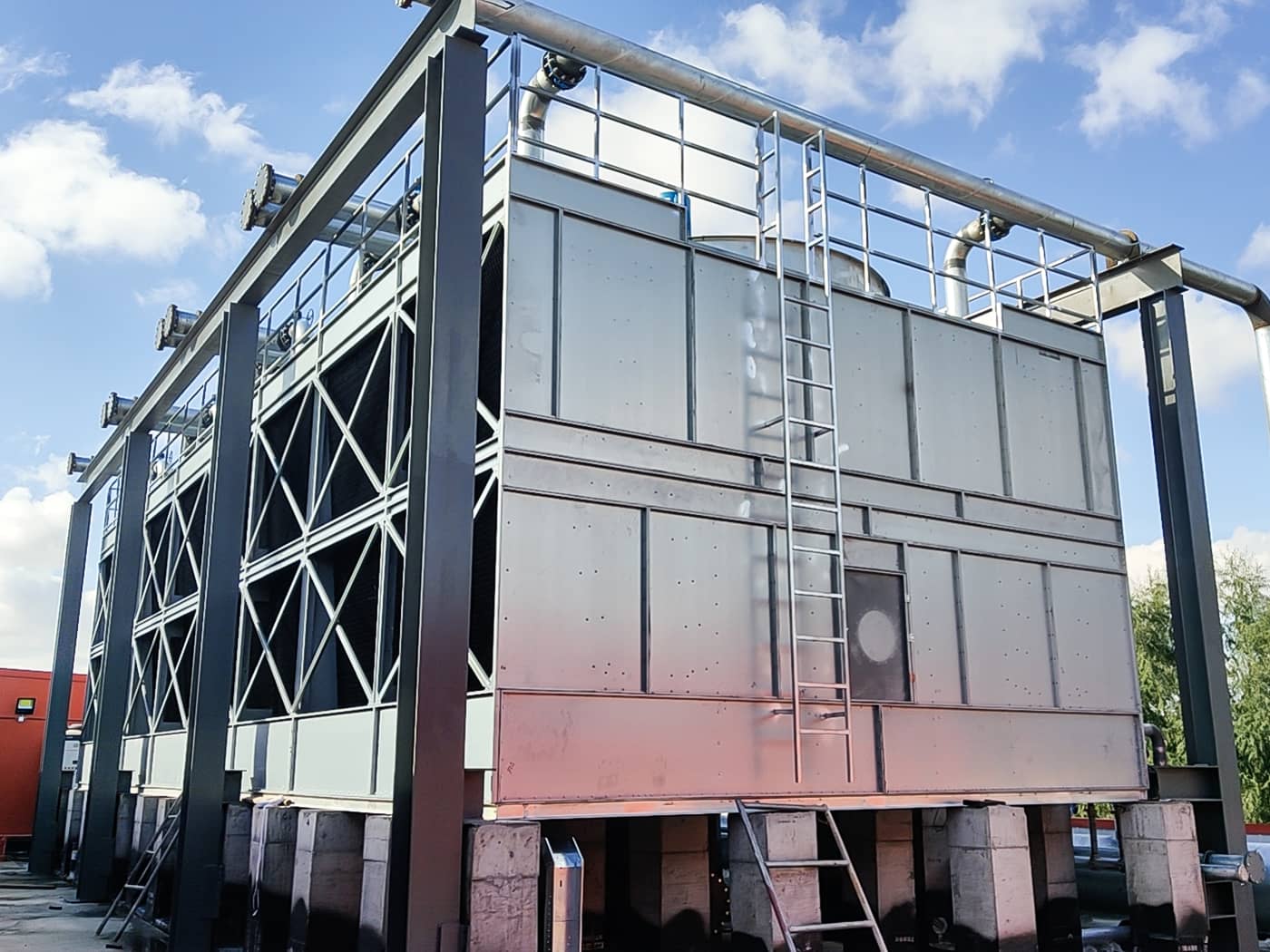
The company’s wet and dry cooling towers, evaporative condensers, closed and open cooling systems are all designed with environmental responsibility in mind. Each product leverages cutting-edge materials and precise engineering to maximize heat transfer while minimizing environmental impact—a combination that directly supports low-carbon initiatives and global climate goals.
Driving Low-Carbon Industrial Transformation
As industries pivot towards greener operations, Fangnuo Heat Transfer System (Jiangsu) Co., Ltd. positions itself at the forefront of this transformation. Its Photovoltaic New Energy Cooling Tower Solutions exemplify how intelligent design, renewable energy integration, and operational precision can converge to create sustainable, low-carbon solutions.
By delivering high-efficiency thermal management systems, Fangnuo empowers industrial operators to achieve energy savings, cost reductions, and environmental compliance simultaneously. The company’s forward-looking approach ensures that cooling solutions contribute meaningfully to a sustainable energy ecosystem, supporting both corporate responsibility and global carbon reduction targets.



 Eng
Eng English
 中文简体
中文简体