What Is an Industrial Cooling Tower and Why It Matters
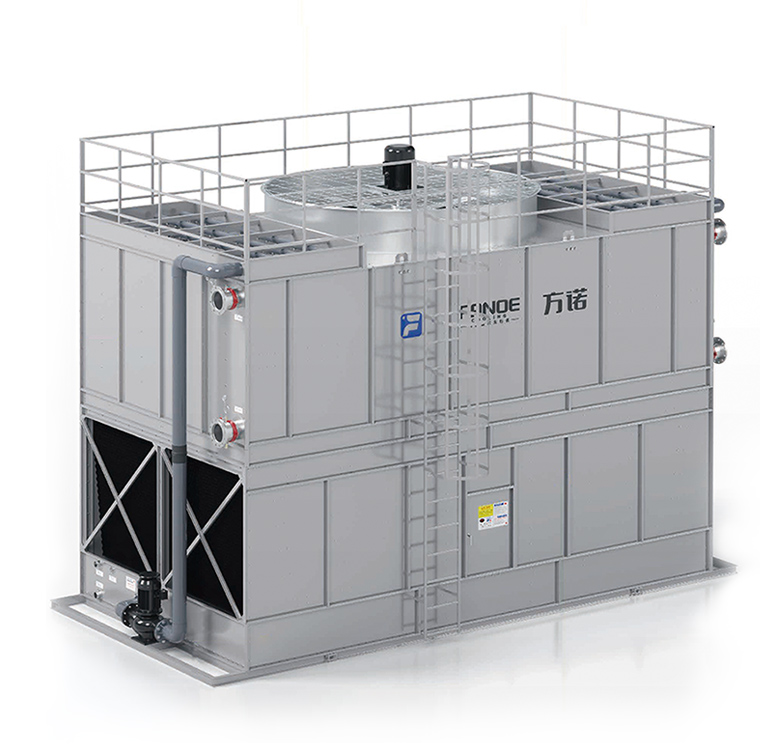
An industrial cooling tower is a critical component used to remove excess heat from industrial processes, HVAC systems, and power plants. It works by transferring heat from hot water to the atmosphere through evaporation or air exchange, helping maintain optimal operating temperatures for equipment.
In real-world applications, industrial cooling tower systems are essential for improving energy efficiency, preventing equipment overheating, and ensuring stable production processes. Without proper cooling, machinery performance drops and operational costs increase significantly.
How an Industrial Cooling Tower Works in Practice
The basic working principle of an industrial cooling tower involves circulating hot water from equipment into the tower, where it is exposed to air. As water spreads across fill media, a small portion evaporates, removing heat from the remaining water.
Airflow, either natural or forced by fans, enhances this heat exchange process. The cooled water is then recirculated back into the system, creating a continuous cooling cycle.
Key Components Inside a Cooling Tower
- Fill media to increase water-air contact surface
- Fans or air intake systems for airflow
- Water distribution system for even spraying
- Drift eliminators to reduce water loss
- Cold water basin for collection and reuse
Different Types of Industrial Cooling Towers
Choosing the right industrial cooling tower depends heavily on the type of system and operating conditions. Each type offers different performance characteristics and installation requirements.
Common Cooling Tower Types
| Type |
Working Principle |
Best Use Case |
| Open Circuit |
Direct contact with air |
General industrial cooling |
| Closed Circuit |
Fluid flows in coils |
Contaminant-sensitive systems |
| Natural Draft |
Uses natural airflow |
Power plants |
| Mechanical Draft |
Fan-assisted airflow |
Most industrial facilities |
Key Factors to Consider When Selecting an Industrial Cooling Tower
Selecting the right industrial cooling tower requires a clear understanding of your process requirements, environmental conditions, and long-term operational costs. A wrong choice can lead to inefficiency and frequent maintenance issues.
Important Selection Criteria
- Cooling capacity and heat load requirements
- Ambient temperature and humidity conditions
- Water quality and treatment needs
- Available installation space
- Energy consumption and efficiency targets
Performance Optimization Tips for Better Efficiency
Even a high-quality industrial cooling tower requires proper operation to achieve optimal efficiency. Small adjustments in operation and monitoring can significantly improve performance and reduce costs.
- Maintain proper water flow distribution
- Ensure clean and unobstructed fill media
- Optimize fan speed based on load conditions
- Control scaling and biological growth in water
- Monitor temperature approach and range regularly
Maintenance Practices to Extend Equipment Life
Routine maintenance is essential to keep an industrial cooling tower running efficiently and to avoid unexpected downtime. Poor maintenance often leads to reduced cooling performance and higher energy consumption.
Recommended Maintenance Actions
- Inspect and clean fill media periodically
- Check fan motors and belts for wear
- Monitor water chemistry and dosing systems
- Remove debris from basin and air inlets
- Inspect drift eliminators and replace if needed
Cost Considerations and Long-Term Value
When evaluating an industrial cooling tower, it is important to consider both initial investment and ongoing operating costs. While a cheaper system may seem attractive upfront, it can result in higher energy consumption and maintenance expenses over time.
Investing in an efficient cooling tower design with durable materials and optimized airflow can reduce lifecycle costs and improve overall system reliability.
When an Industrial Cooling Tower Is the Best Solution
An industrial cooling tower is the best solution when your operation involves continuous heat generation and requires reliable, cost-effective cooling. It is especially suitable for manufacturing plants, chemical processing, HVAC systems, and power generation facilities.
If your goal is to maintain consistent temperatures, reduce equipment stress, and improve energy efficiency, implementing the right industrial cooling tower system can deliver strong long-term benefits.



 Eng
Eng English
 中文简体
中文简体

 What Is an Open Circuit Cooling Tower and How Does It Work?
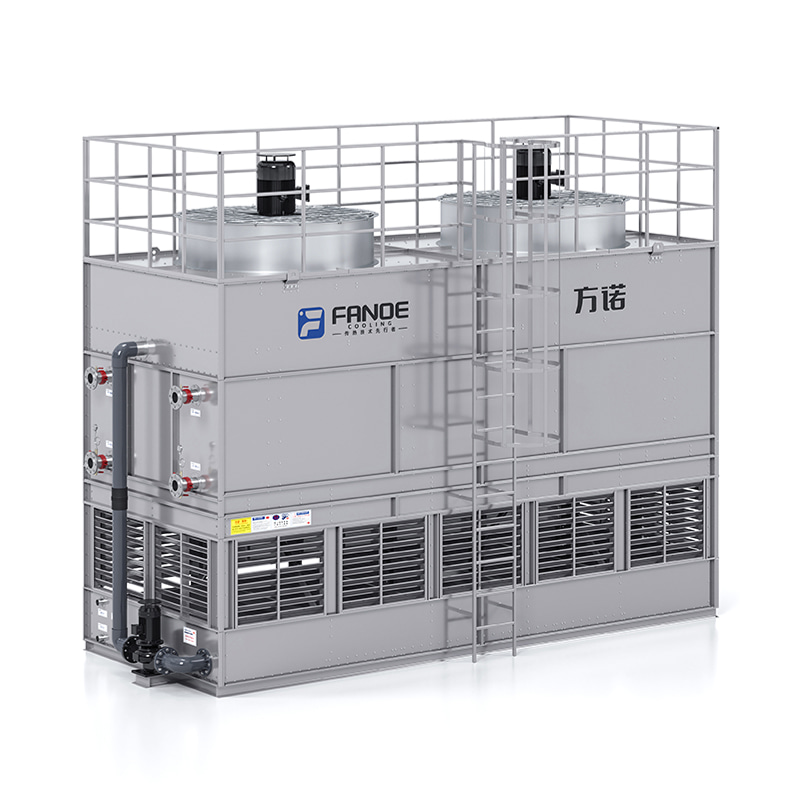 What Is a Closed Type Cooling Tower and When Should You Use One?How a Closed Type Cooling Tower Actually Works A closed type cooling tower — also widely referred to as a closed-circuit cooling tower, closed-loop c...
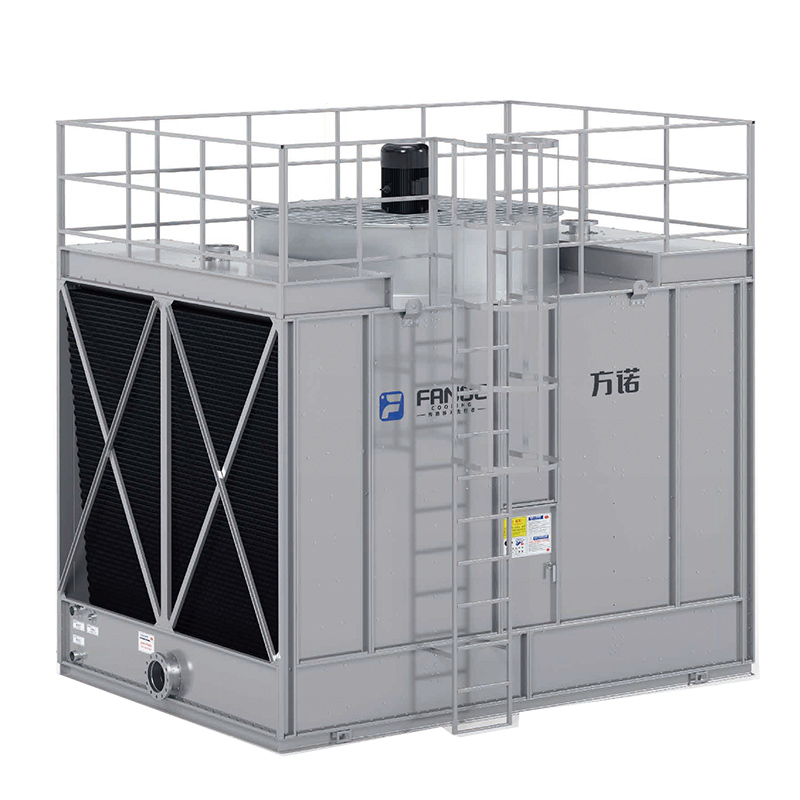 Cooling Tower Guide: Types, How They Work & Selection CriteriaHow a Cooling Tower Actually Works A cooling tower is a heat rejection device that removes waste heat from a process or building system by transferrin...
 Industrial Cooling Towers: How They Work, Types, and How to Keep Them Running RightWhat Industrial Cooling Towers Do and Why They Matter Industrial cooling towers are large heat rejection systems designed to remove excess thermal en...
 Evaporative Condenser Explained: How It Works, How to Choose One, and How to Keep It RunningWhat Is an Evaporative Condenser and How Does It Work? An evaporative condenser is a heat rejection device that combines the functions of a condenser ...