Cooling towers are essential components in industrial, commercial, and HVAC systems for removing excess heat from water or process fluids. Two primary types of cooling towers are closed cooling towers and open cooling towers. Understanding their differences is critical for selecting the right solution based on system requirements, water quality, energy efficiency, and maintenance needs. This article explores these differences in depth.
Basic Principle of Operation
Both closed and open cooling towers aim to transfer heat from water or fluid to the atmosphere, but their mechanisms and fluid pathways differ significantly.
Closed Cooling Towers
In closed cooling towers, the process fluid remains inside a heat exchanger coil or tube bundle, which is separate from the airflow and water spray. The circulating water flows over the heat exchanger and absorbs heat from the fluid inside. This indirect cooling process prevents contamination and minimizes fluid loss due to evaporation.
Open Cooling Towers
Open cooling towers allow direct contact between the process water and ambient air. Water is pumped to the top of the tower and distributed over the fill material, where it directly evaporates into the air, transferring heat efficiently. However, this direct contact exposes water to contamination, scaling, and biological growth.
Design and Structural Differences
The structural design of closed and open cooling towers reflects their different cooling mechanisms and fluid handling requirements.
Closed Cooling Tower Design
Closed towers are typically equipped with a coil or tube bundle made of stainless steel, copper, or titanium. The process fluid circulates within this closed loop. Water is sprayed over the coil to enhance heat transfer, while drift eliminators and splash fill materials maximize efficiency and minimize water loss.
Open Cooling Tower Design
Open towers feature a basin, distribution system, and fill material for maximum air-water contact. The tower may be induced-draft or forced-draft, depending on fan configuration. Water is exposed directly to air, and proper drift eliminators and filtration systems are required to prevent water loss and contamination.
Cooling Efficiency
Cooling efficiency varies between closed and open towers due to their design and the degree of direct water exposure to air.
Closed Cooling Tower Efficiency
Closed towers have slightly lower thermal efficiency because heat transfer occurs through the coil wall rather than direct water-air contact. However, they maintain more stable fluid temperatures and prevent fluid contamination, making them suitable for sensitive industrial processes.
Open Cooling Tower Efficiency
Open towers generally achieve higher cooling efficiency due to direct evaporation. The direct contact between water and air maximizes heat transfer, but efficiency can be affected by water quality, scaling, and fouling. Regular water treatment is necessary to maintain optimal performance.
Water Quality and Maintenance Considerations
Water quality management is a critical factor in selecting between closed and open cooling towers, as it impacts maintenance frequency, lifespan, and operational reliability.
Closed Cooling Tower Maintenance
Closed towers are easier to maintain regarding fluid purity because the process fluid is isolated. This reduces the need for extensive chemical treatment. However, the water circulating over the heat exchanger may still require periodic cleaning to prevent fouling or scale formation on the coil surfaces.
Open Cooling Tower Maintenance
Open towers require rigorous water treatment to prevent scaling, corrosion, and microbial growth. The direct exposure to air increases the risk of contamination, and maintenance activities include regular basin cleaning, chemical dosing, and inspection of drift eliminators. Proper maintenance ensures prolonged tower life and prevents reduced heat transfer efficiency.
Fluid Compatibility and Contamination Risks
The type of fluid being cooled determines the suitability of closed or open towers.
Closed Cooling Towers
Closed towers are ideal for systems using fluids that are sensitive to contamination or chemical interaction, such as chilled water, glycol mixtures, or chemical process fluids. The closed loop prevents debris, dust, and microorganisms from entering the fluid system.
Open Cooling Towers
Open towers are best suited for applications where water purity is less critical, such as HVAC cooling, industrial water recirculation, or power plant cooling. While cost-effective and efficient, the direct contact exposes the fluid to impurities, which may require advanced filtration or chemical management.
Energy Consumption and Operational Costs
Energy efficiency and operational costs differ between these two types of cooling towers due to design and water handling requirements.
Closed Cooling Tower Costs
Closed towers generally have higher initial costs due to coil fabrication and protective materials. Energy consumption may be slightly higher because indirect heat transfer requires additional pumping and water circulation. However, long-term maintenance and chemical costs are lower since the process fluid remains uncontaminated.
Open Cooling Tower Costs
Open towers are usually more cost-effective to install and operate initially. Energy usage is lower because evaporation directly removes heat. However, ongoing maintenance, water treatment, and replacement of fill material or drift eliminators contribute to higher long-term operational costs.
Applications and Industry Suitability
Choosing between closed and open cooling towers depends on industry requirements, fluid type, and environmental conditions.
- Closed Cooling Towers: Chemical plants, pharmaceutical manufacturing, food processing, and systems using glycol or corrosive fluids.
- Open Cooling Towers: HVAC systems, power generation, steel mills, and general industrial cooling where water quality control is manageable.
Summary Comparison
| Feature |
Closed Cooling Tower |
Open Cooling Tower |
| Fluid Contact |
Indirect, no direct contact |
Direct contact with air |
| Cooling Efficiency |
Moderate |
High |
| Water Quality Sensitivity |
Low sensitivity, protected |
High sensitivity, requires treatment |
| Maintenance |
Low to moderate |
Moderate to high |
| Application |
Industrial, chemical, sensitive fluids |
HVAC, power generation, general industrial |
Conclusion
Understanding the differences between closed and open cooling towers is crucial for selecting the right system for specific operational needs. Closed cooling towers are ideal for applications requiring fluid protection and low maintenance, while open towers offer higher cooling efficiency and lower initial costs but require diligent water treatment. Evaluating water quality, fluid type, operational costs, and maintenance requirements will guide facility managers in making informed decisions that optimize performance and longevity.



 Eng
Eng English
 中文简体
中文简体

 What Is an Open Circuit Cooling Tower and How Does It Work?
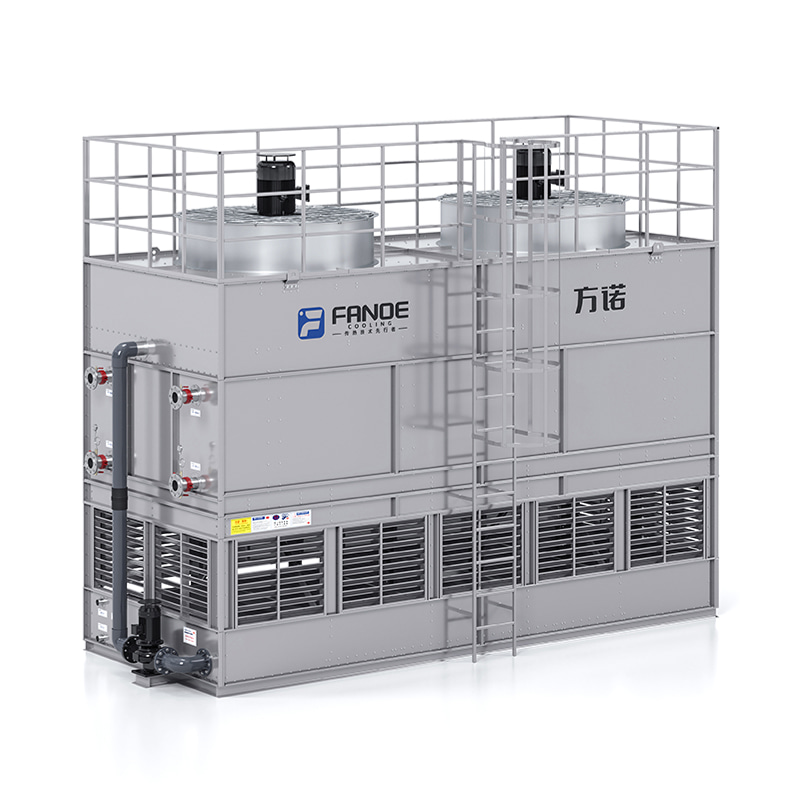 What Is a Closed Type Cooling Tower and When Should You Use One?How a Closed Type Cooling Tower Actually Works A closed type cooling tower — also widely referred to as a closed-circuit cooling tower, closed-loop c...
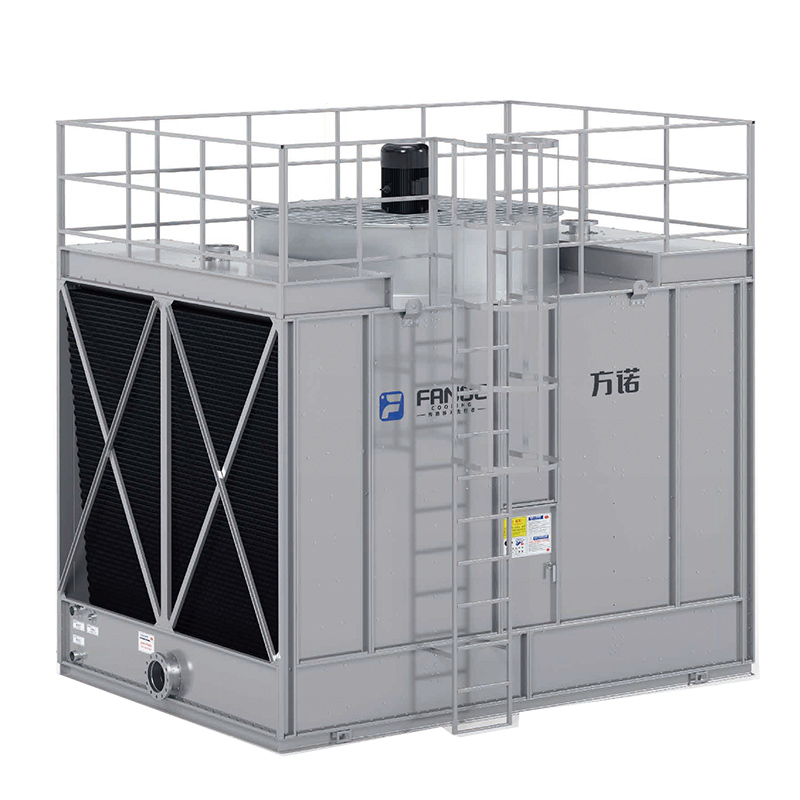 Cooling Tower Guide: Types, How They Work & Selection CriteriaHow a Cooling Tower Actually Works A cooling tower is a heat rejection device that removes waste heat from a process or building system by transferrin...
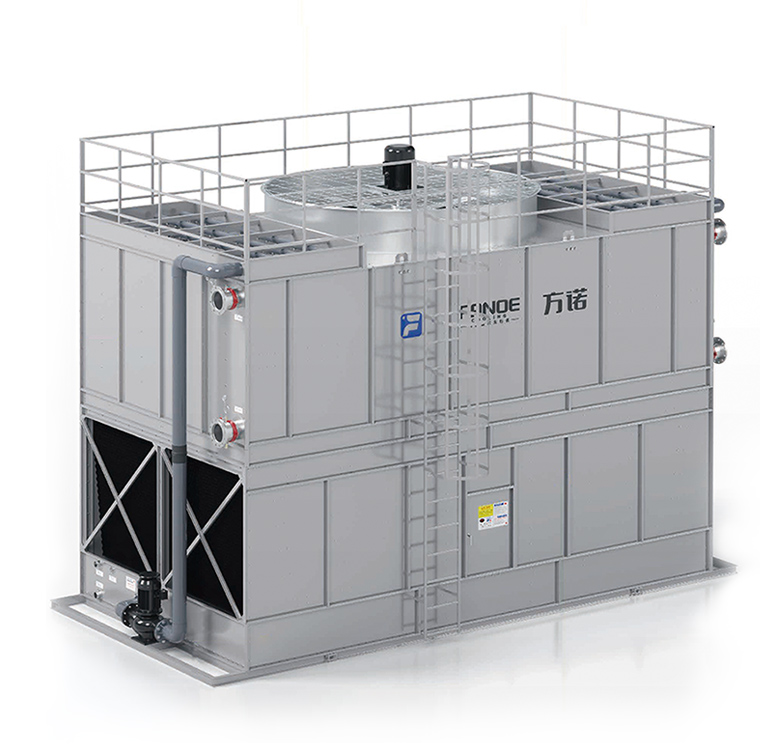 Industrial Cooling Towers: How They Work, Types, and How to Keep Them Running RightWhat Industrial Cooling Towers Do and Why They Matter Industrial cooling towers are large heat rejection systems designed to remove excess thermal en...
 Evaporative Condenser Explained: How It Works, How to Choose One, and How to Keep It RunningWhat Is an Evaporative Condenser and How Does It Work? An evaporative condenser is a heat rejection device that combines the functions of a condenser ...